Skip to Content

Online exhibition

Unpacked: From crate to cabinet

More than 200 museum objects tell the story of the arrival of Moluccans in the Netherlands in 1951 and their first years in the residential camps.

Historical exhibition · closed on 18 February 2024

Campaign image for the exhibition Unpacked: From crate to cabinet
The physical exhibition has ended. The story remains digitally accessible on this page. A renewed interactive tour will follow later.

About the exhibition

Objects as carriers of memory

The exhibition highlights the arrival of large groups of Moluccans in the Netherlands in 1951 and their first years in barrack camps. The objects are connected to families, daily life and the communities that emerged during this period.

Each object has its own personal history and has been donated to Museum Maluku. Together, the objects and their stories form Moluccan heritage: a shared memory that shows how important sharing and preserving are.

Two parts

From travelling gear to a life in the barracks

Army trunks and family names

Fifty army trunks and suitcases were brought to the Netherlands in 1951 by Moluccan ex-KNIL soldiers and their families. Names and army numbers link the trunks to fathers, mothers and children.

In the audio project Currents, artist and researcher Finn Maätita invited people with a Moluccan background to pronounce their family name. The collected names formed an addition to the display.
A room from a Moluccan barrack

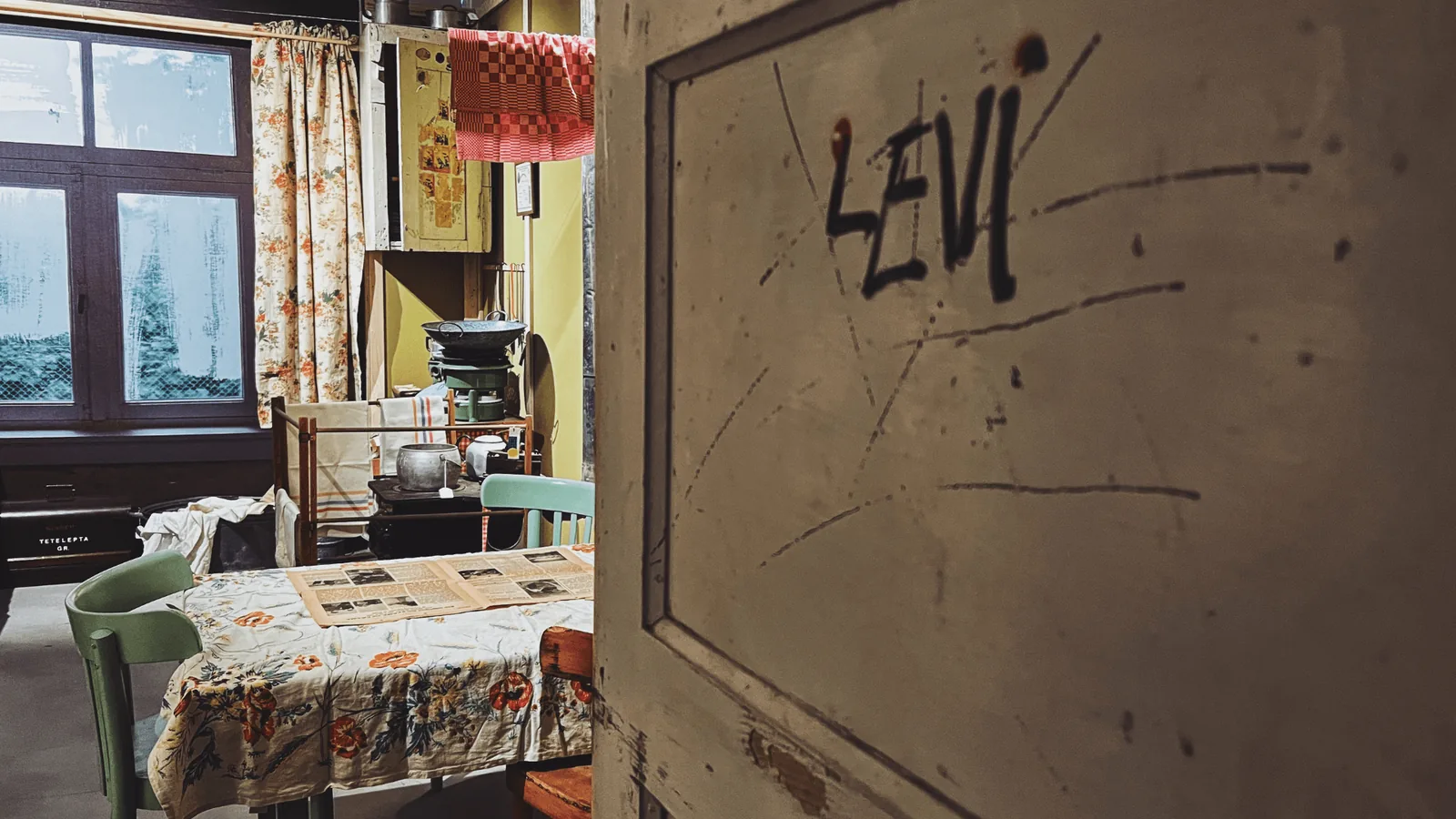
A reconstructed barrack room and corridor were furnished with authentic furniture, household items, clothing and personal belongings from the early years.

The room offered a window onto the period 1951–1956, when a family initially received one room for living, sleeping and eating. The furnishings told a story of togetherness, perseverance, community spirit, resilience and resistance.

Rediscovered in the digital archive

Three stories from the collection

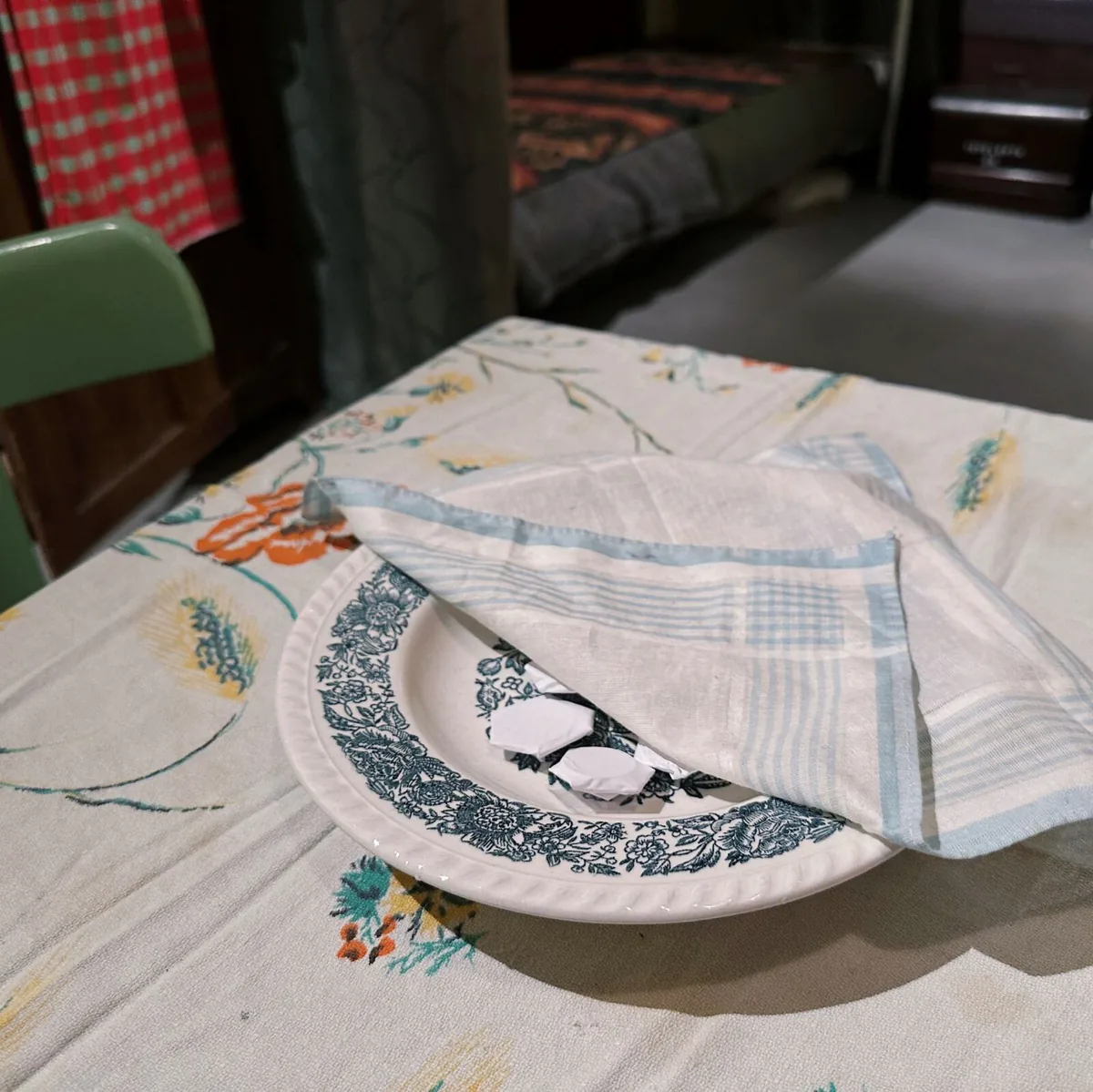
A piring natzar with wrapped coins under a lace cloth

The piring natzar

On this offering plate, wrapped coins lie beneath a lace cloth. For many Moluccan Christians, the piring natzar forms a place for prayer, encounter with God and remembrance of ancestors.

Many families brought one with them in 1951. In the barracks, the plate stood on a transport trunk or in a cupboard; later it often received a special place in the home.

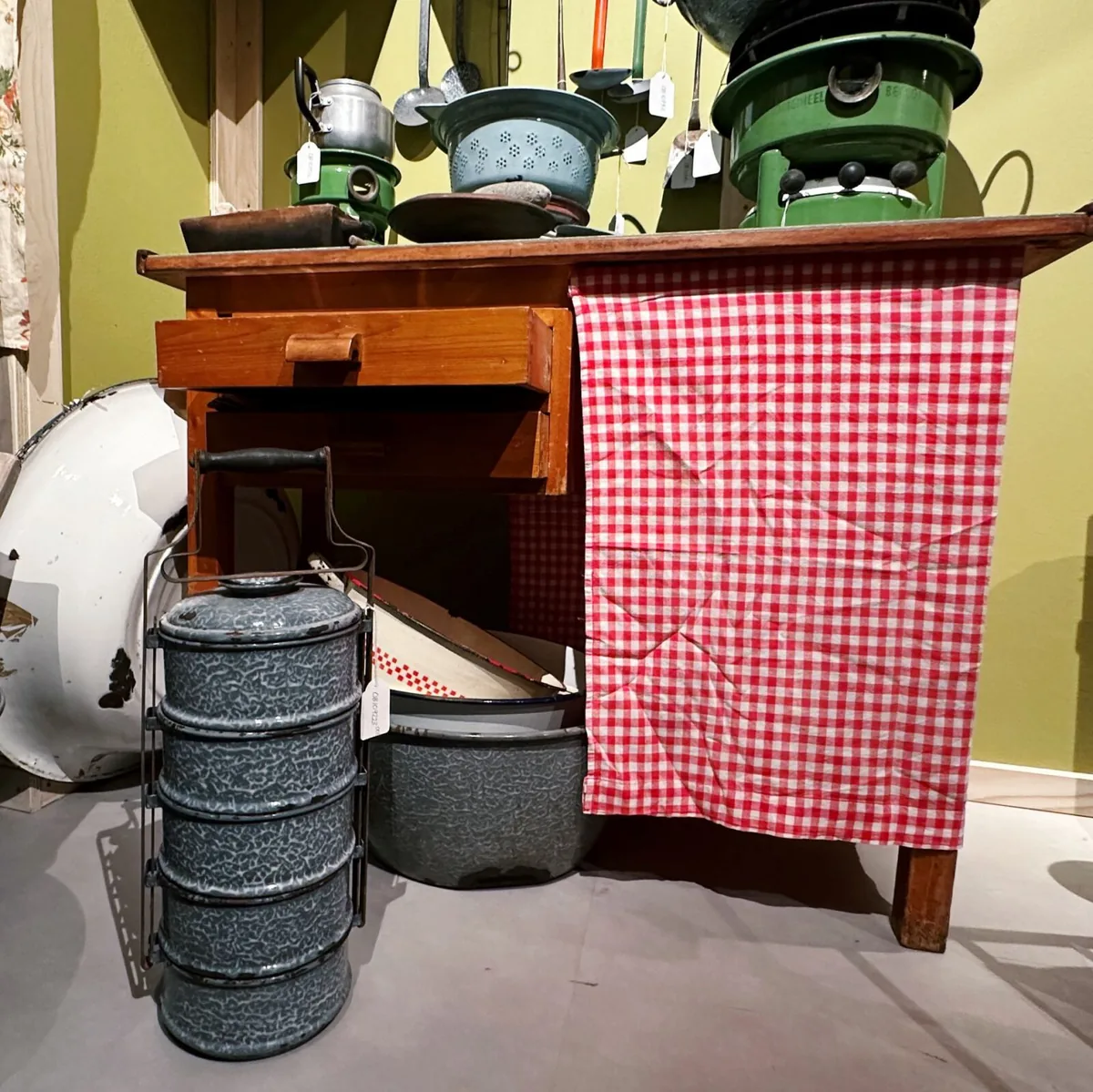
A stacked metal rantang for transporting meals

The rantang

The stacked set of pans tells the story of the central kitchens in the residential camps. Because the stay was considered temporary, residents received clothing, pocket money and daily meals in the early years.

After the 1956 Self-Care Scheme, families had to cook for themselves and support themselves without pocket money. This led to fierce protests in several residential camps.

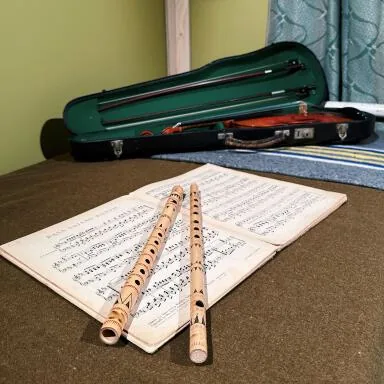
Bamboo flutes, sheet music and a violin case from the exhibition

Making music together

Music was entertainment and a way to stay connected to the Moluccas. In the barracks, the sounds included tifa, guitar, violin and bamboo flute, alongside music from a radio.

That musical tradition left a lasting impression, from traditional songs and kroncong to jazz, Hawaiian music and later bands such as Massada and FOCO.

In development

Renewed digital tour

The original 360° material has been preserved, but the old tour technology will not be re-embedded.

Once the new exhibition platform is delivered, an accessible, future-proof tour will be added here. Until then, this page offers the most important stories and images without outdated plug-ins or external dependencies.

About this digital version

The content has been reconstructed from the original web page and the preserved digital tour archive of Museum Maluku. The modernised digital interpretation and implementation were carried out by Digikwal, taking the original museum content as the starting point.

The exhibition was on display at Museum Sophiahof in The Hague until 18 February 2024.