Cold turkey in the depot
"Cold turkey," I thought as the bird of paradise from our museum collection went into the freezer at -20 **°**C for two weeks. What on earth is this about, you are no doubt thinking. Freezing, that is what it is about: a specific treatment applied in the conservation of museum objects. Museum Maluku is fully occupied with the care and management of the collection. Back in January I reported that the collection would be brought from storage in Alblasserdam to our two new depots in Rotterdam. That was the moment the museum would begin unpacking and dusting off the collection. Here is a short report on how that went.
Oxygen-free treatment
Cotton clothing, wooden figures, wickerwork and stuffed animals consist of organic material that is vulnerable to damp, dust and the growth of micro-organisms and moulds. During a first check of the collection in storage in Alblasserdam (last year) we found mould, spores and insect larvae on several objects. Reason enough to have the entire collection of organic material treated by simply storing it for a few weeks in an oxygen-free room. Without oxygen, after all, everything dies.
Drents Museum Assen
The depot of the Drents Museum in Assen has an oxygen-free storage space and was kind enough to help Museum Maluku. In mid-March around 20 cubic metres of organic material was taken to Assen. On 24 April 2023 the 5 weeks of treatment were over and the treated objects came to our museum depot in Rotterdam. Before they can go into the museum depot, however, the objects first have to be checked in a quarantine room in accordance with the procedures in force at the municipal museum depot.
In a tent
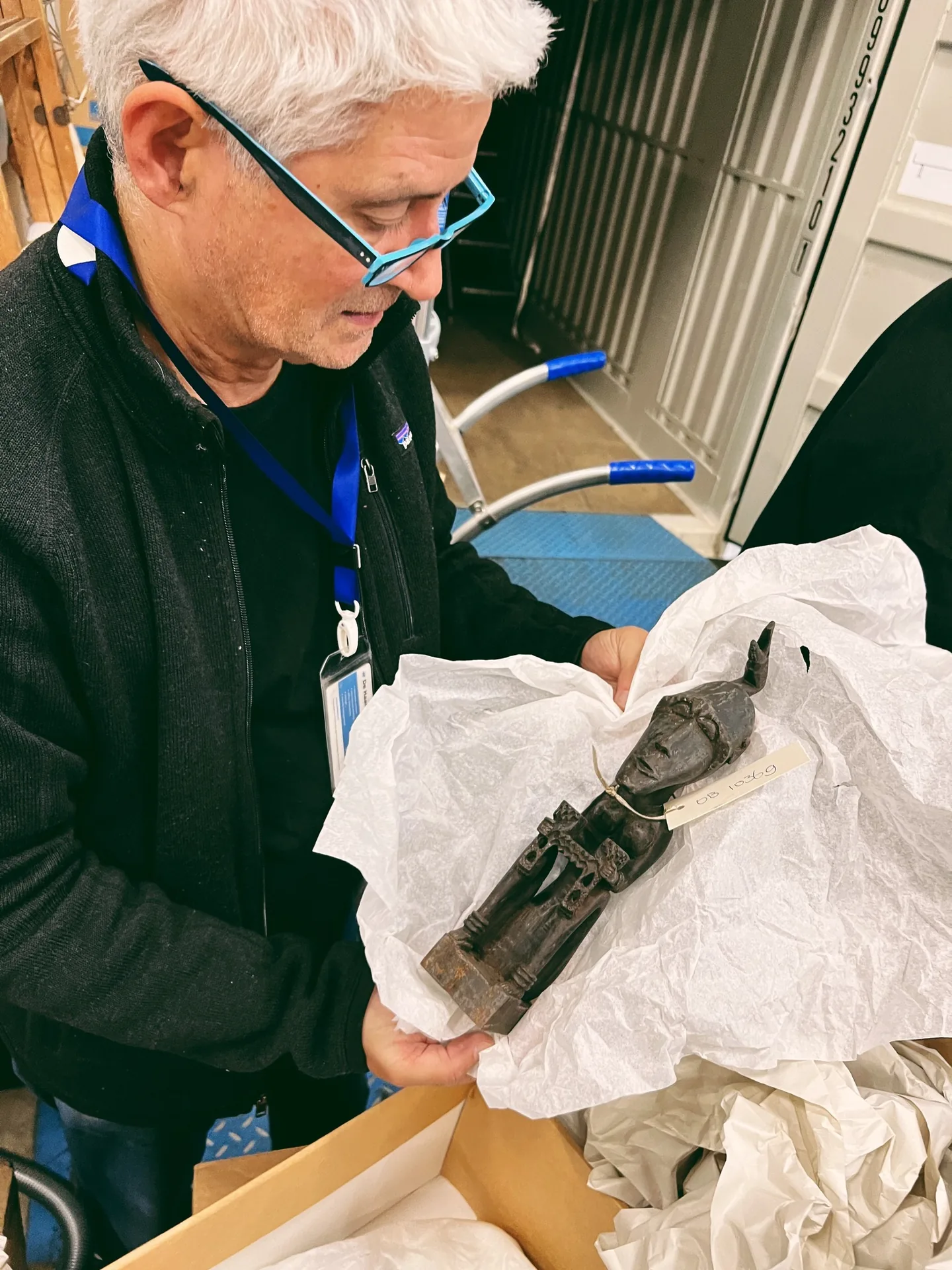
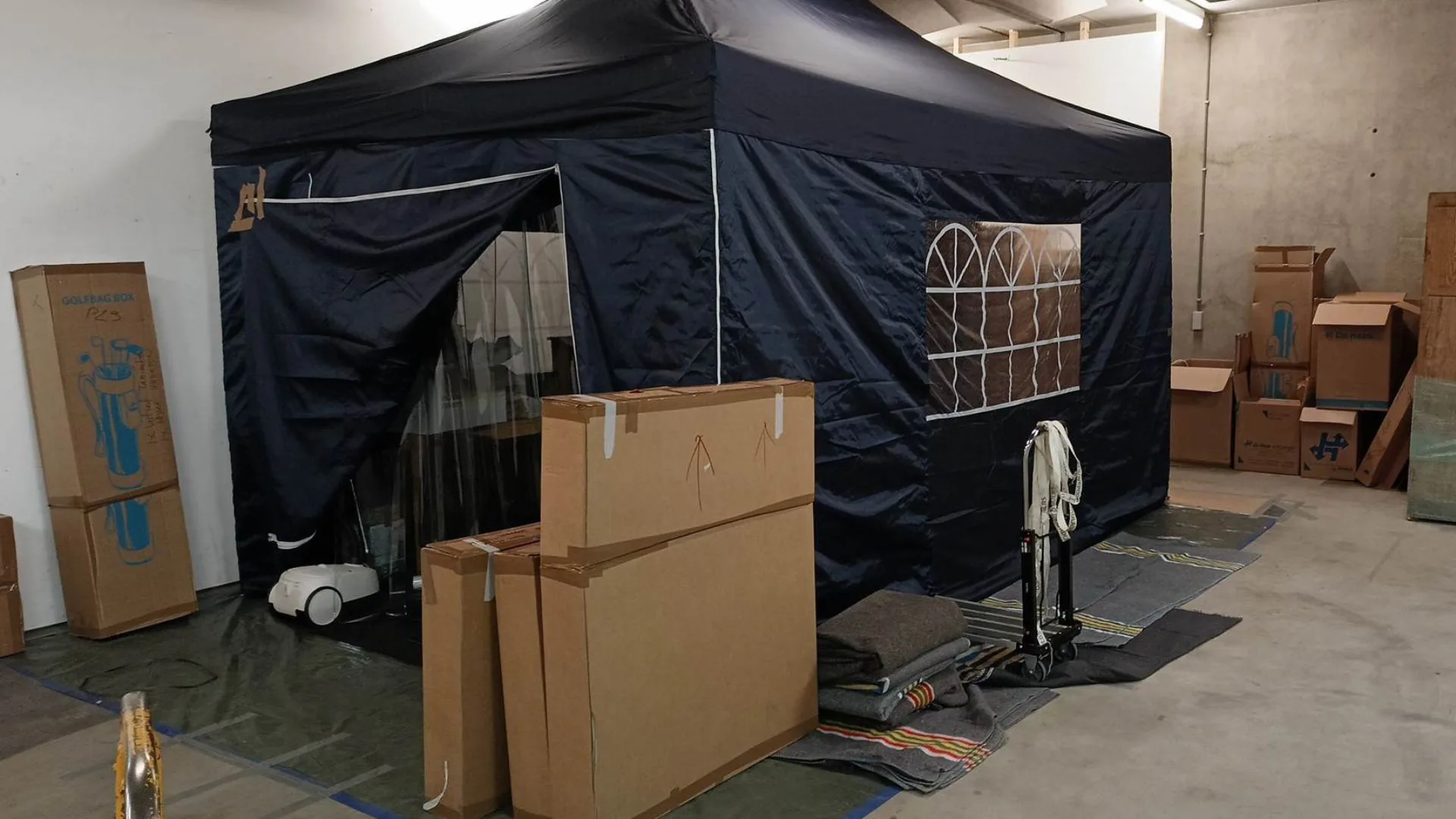
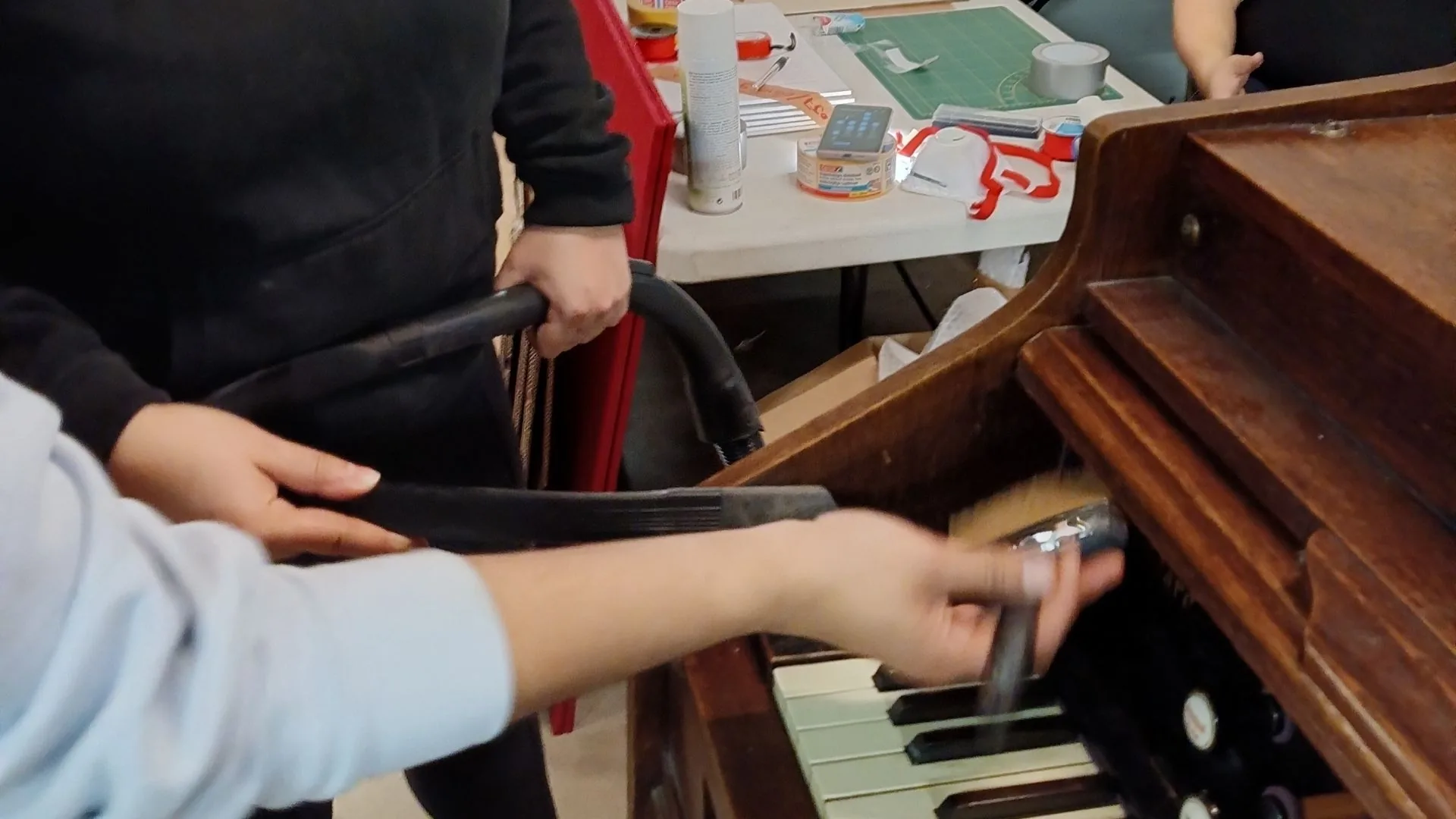
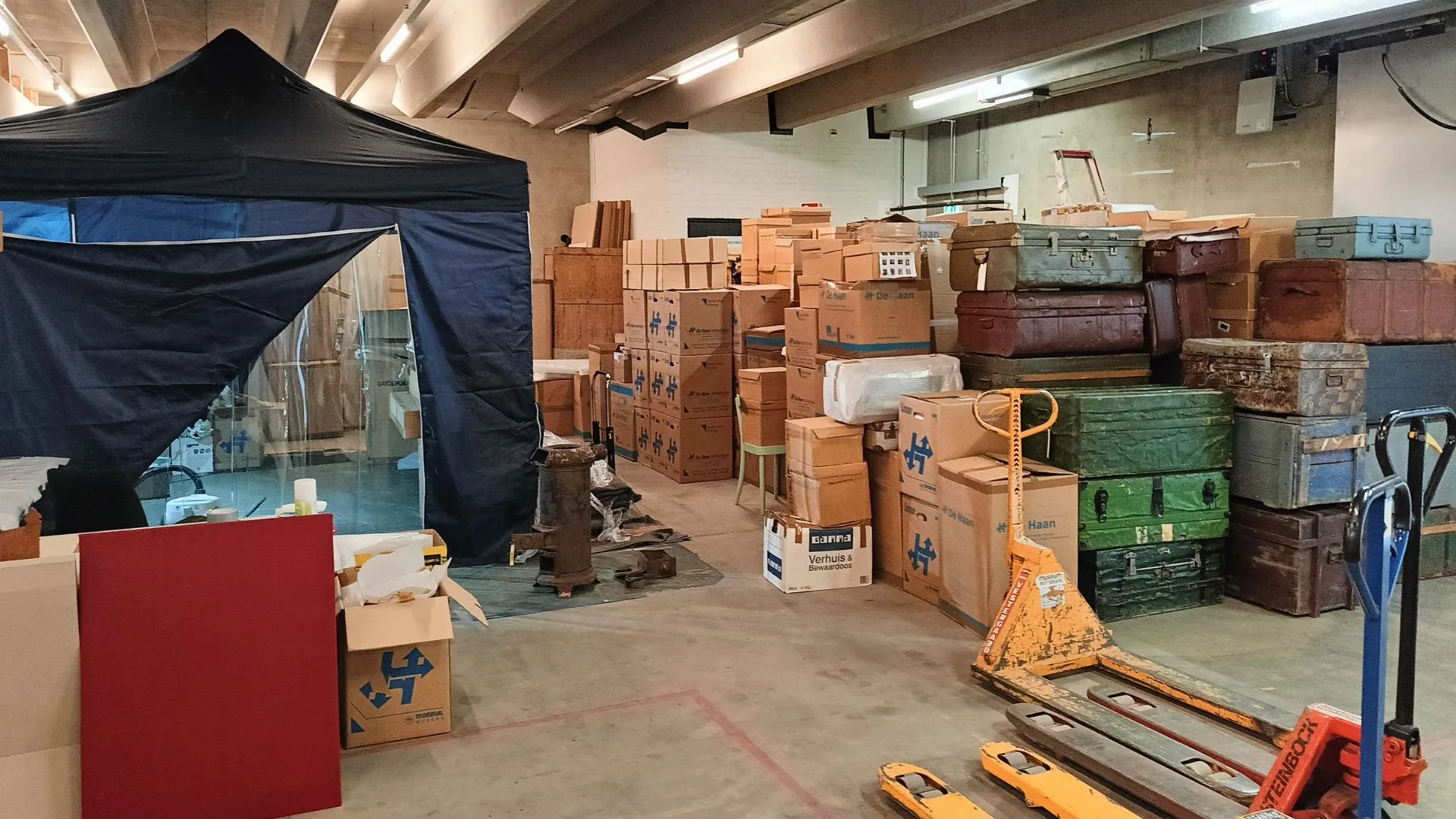
The volume of the Museum Maluku collection is such that it does not fit in the museum depot's regular quarantine room. A temporary, larger quarantine space was therefore set up. In a sealable tent of 4x6 metres the objects are unpacked, checked and dusted off. That dusting is done with a brush and a vacuum cleaner with a so-called HEPA filter, which filters out all dust particles and micro-organisms so that the depot is not contaminated. The packing boxes are then vacuumed out and treated as well. The objects are then wrapped again in clean acid-free paper and put back in the cleaned boxes. After that the objects can go into the depot. In the depot the object's location is linked to it and registered. That way we know what is where.
-
-
-
-
-
Container and crates from Alblasserdam
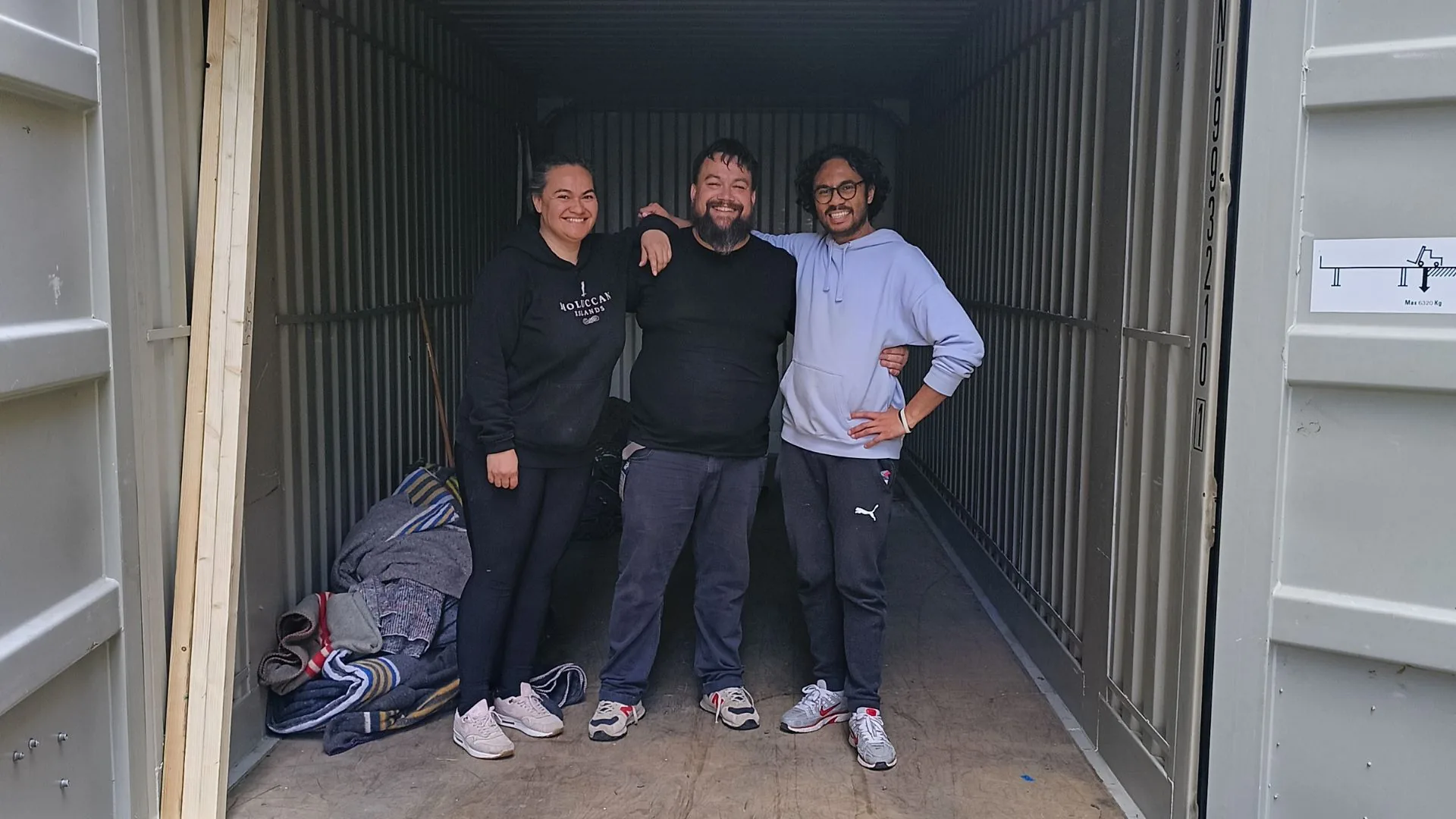
The part of the collection consisting of inorganic materials such as metal, glass and the like has now also been moved to the museum depot. Three large crates of 2.5x2.5x2.5 metres and a container 12 metres long. These objects are also unpacked and cleaned in the quarantine space. In total this amounts to around 70 cubic metres.
Advice from Dendermonde
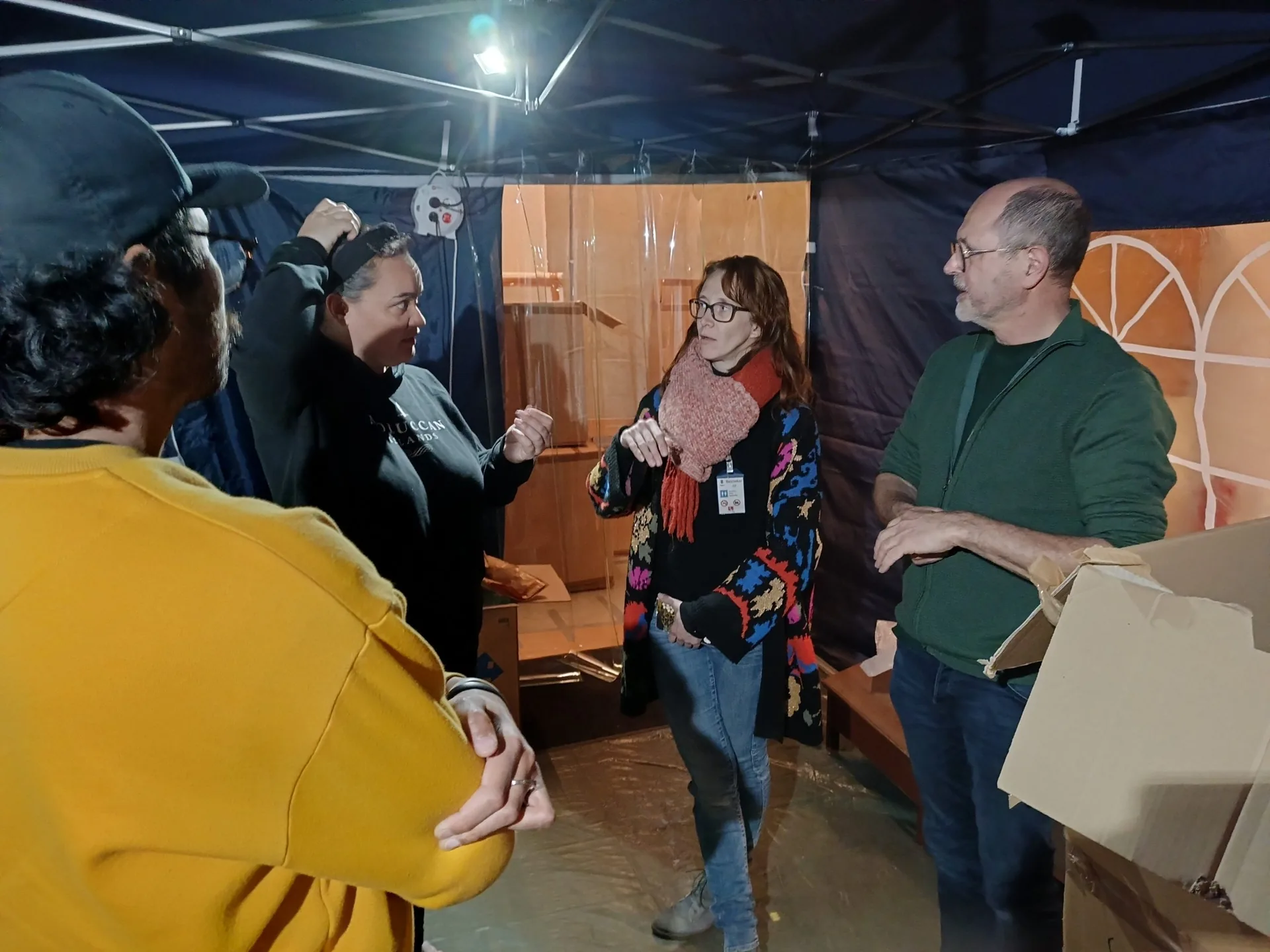
On Monday 24 April 2023 we also had a visit from two conservation professionals from Dendermonde in Belgium, who advised us on reusing the packing boxes and on the preventive treatment of our depot space. They showed us an organic cleaning agent whose cleansing action is based on an ecological system in which the good bacteria attack and destroy the bad bacteria. That creates a clean microclimate. Misting the boxes with good bacteria cleans them and prevents cross-contamination from moulds, for instance. Misting the depot space cleanses the air of any harmful substances that may be present.
Freezing
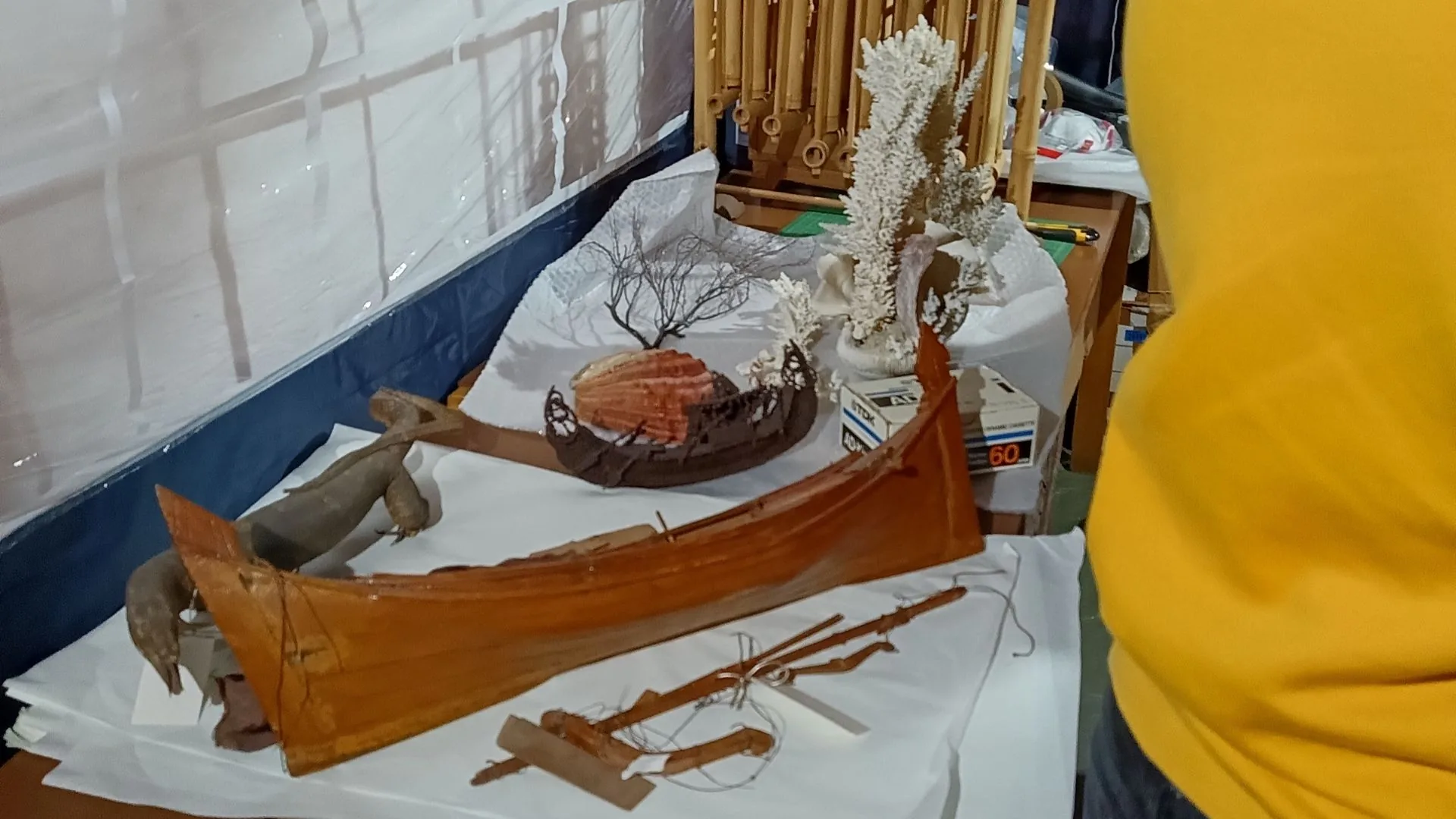
The conservation professionals also looked on as several objects were unpacked. They were very interested in the exotic materials such as seaweed (akar bahar), coral, an angklung (made of bamboo) and a bird of paradise. On one object we found an efflorescence of minerals (salts) and on others traces of mould. But because those objects come out of the oxygen treatment, cleaning alone is enough. In the feathers of the bird of paradise, which had not gone to Assen, we found some traces of organisms. The advice: freeze it!
Freezing is used to combat harmful insects in historical textiles or natural history collections in particular. It also prevents moulds from germinating. The bird of paradise was laid on a piece of cardboard and sealed airtight in plastic to protect it against drying out and condensation. The bird then went into the freezer at -20 **°**C. Any insects or vermin present die from the temperature shock.
After about 2 weeks this deep-frozen bird is taken out of the freezer. It has to stay in the plastic for at least 1 more day to acclimatise and to prevent condensation. Once dusted off and spruced up it can go into the depot. We will find a good spot for it.
More about this bird of paradise another time.
Head Curator Huib Akihary
Caring for our Moluccan heritage
Unpacking, examining, cleaning and describing the museum collection is an enormous job. Museum Maluku is therefore still looking for volunteers who would like to take an active part in caring for Moluccan heritage and help with work on collection preservation and management. Interested, or have questions? Then send an email to collectie@museum-maluku.nl. Every bit of help, large or small, is very welcome.