Depot news, digitisation & donations
Depot P31, the digitisation of archives, the photographic collection, incoming and outgoing loans and incoming donations. There is a great deal to report again about the Museum Maluku collection and collection management. Head of Collections Huib Akihary reports on P31 and two remarkable donations. For one last time…
Archive depot
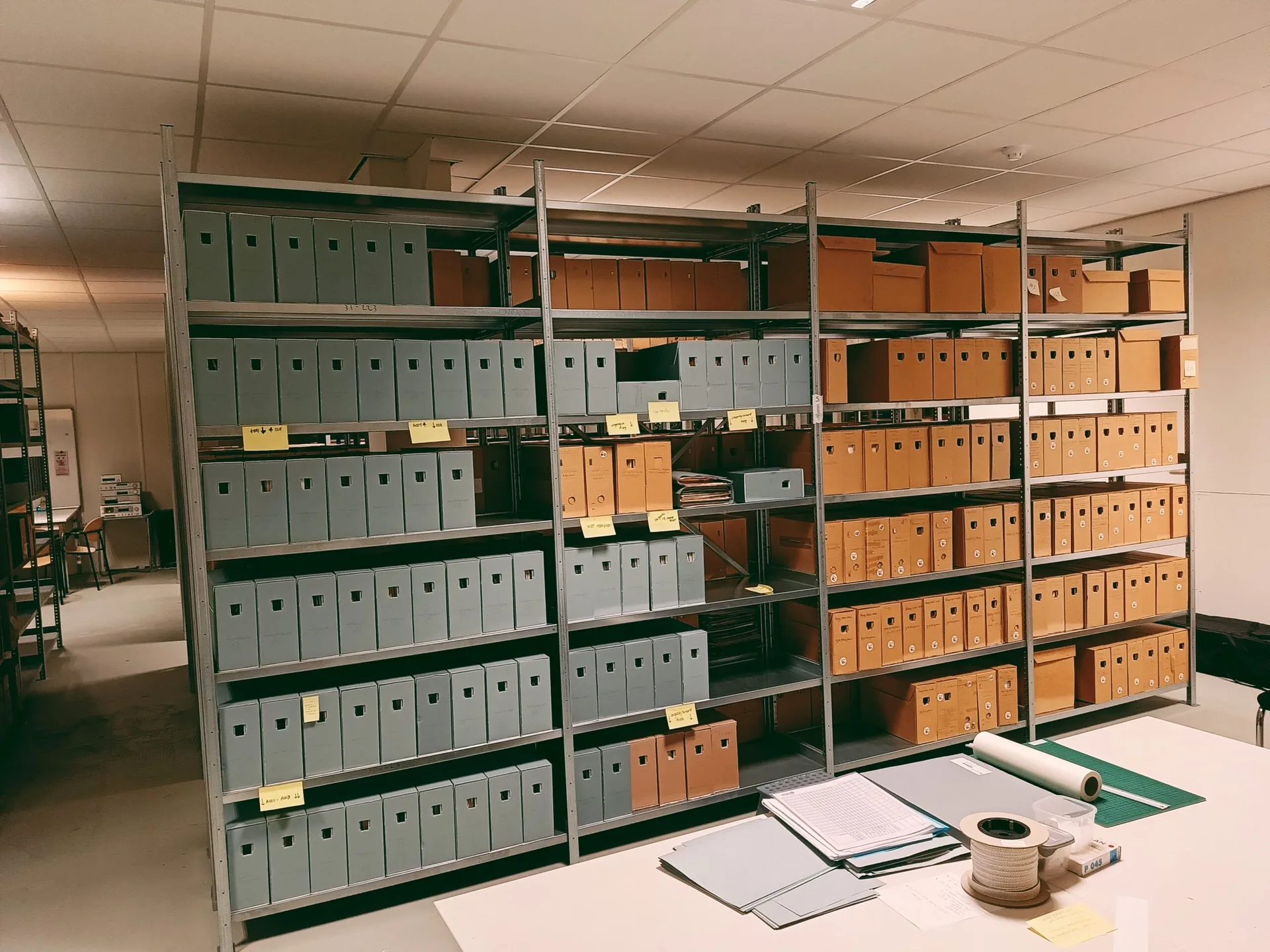
During October and November, P31, the depot at Piekstraat 31, was fully fitted out and made ready. One part holds 16 sets of archive shelving with a capacity of 448 metres of archive space, enough for all the personal and institutional archives in the collection. The photographic collection has found a place there too. There was some urgency, because the digitisation of part of the archives also had to begin. The firm GMS is working in depot P31 on preparing the archive material for scanning. That means cleaning the archives: rubber bands, paper clips, staples, plastic sleeves, folders and the like are removed and any tears in the paper are repaired. The cleaned archive material is then packed in acid-free folders and stored in new grey acid-free archive boxes. The other part of the depot has been set up for preparing and handling outgoing and returning loans.
Donations from Jan Malawauw
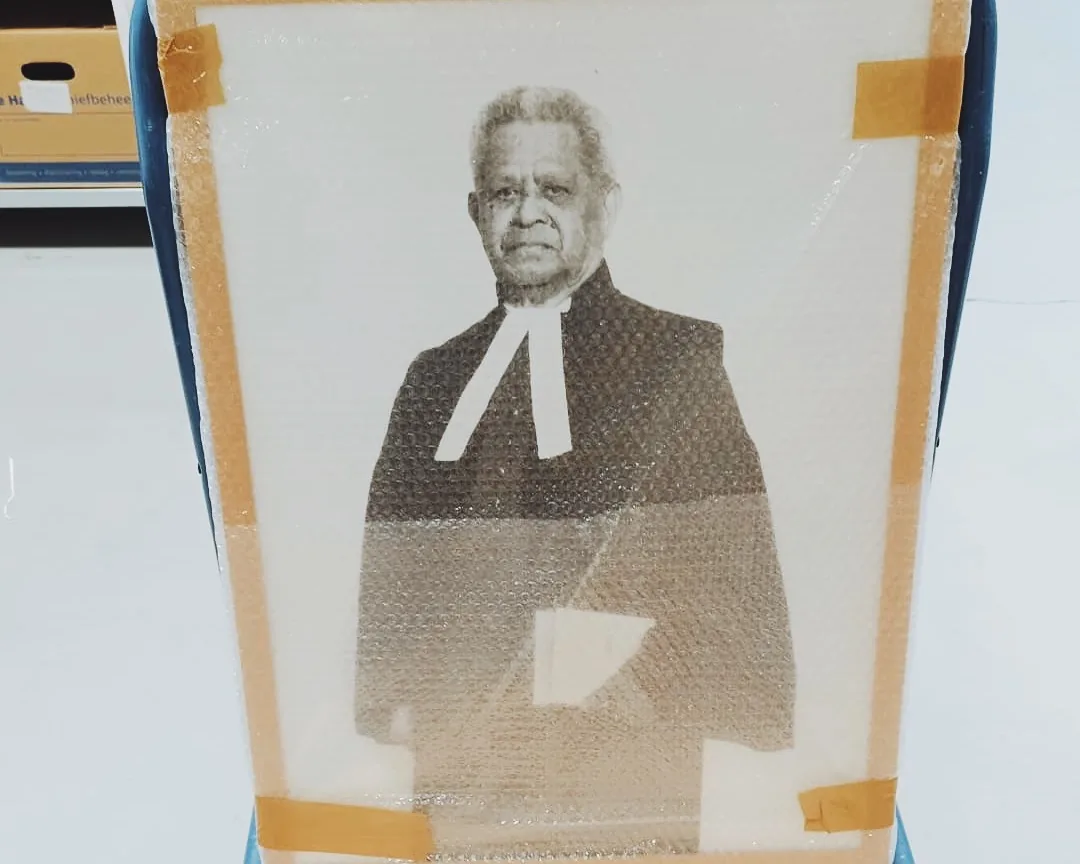
Photographer and fellow villager Jan Malawauw came to me early this year to discuss two matters. The donation of the photographic exhibition Saudara (1997-1998) and the donation of the exhibition 60 years of Moluccans in Zeeland 1951-2011 to Museum Maluku. Malawauw is the initiator, photographer and curator of both exhibitions. Once the details around rights and use of the two donations had been thoroughly discussed, and the Zeeuws Museum had also agreed to the donation of Saudara, the transfer could take place at the beginning of December. The material from both exhibitions, consisting of photographs, objects, texts, an educational programme and all the administration, is now in the depot, ready to be unpacked, described and registered. Both exhibitions are in very good condition and could be exhibited in whole or in part as they are.
Saudara
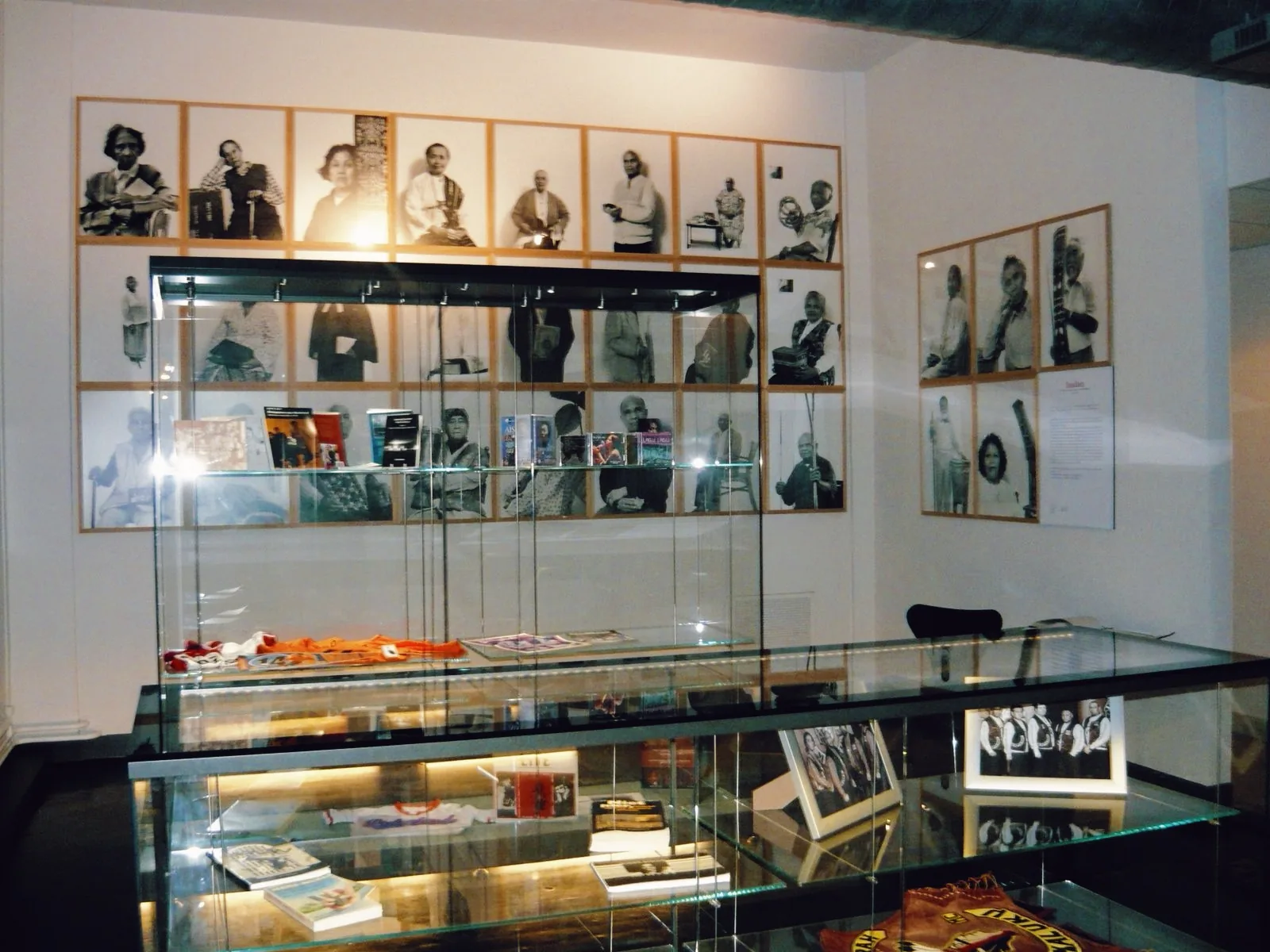
Saudara, portraits and life stories of older Moluccans is the full name of the project by the Zeeuws Museum in Middelburg and the photographer Jan Malawauw from Zaandam. The project consisted of an exhibition and a publication of the same name. The exhibition was held at the Zeeuws Museum in Middelburg from 13 December 1997 to 1 March 1998. After that Saudara went on tour and could be seen at various venues in the Netherlands and Belgium, including the Drents Museum in Assen. In 2002 the Zeeuws Museum donated the entire exhibition to the Moluks Historisch Museum (MHM), then housed in Utrecht. All the portraits from the exhibition were hung in the MHM's permanent display. The portraits returned to their maker Jan Malawauw when the MHM had to close its doors in 2012.
Meaning
The Moluccan Malay word Saudara literally means 'brother/sister' and refers to direct kinship and family relations. But understood more broadly, Saudara also points to relations between people, togetherness and mutual respect. With Saudara, Malawauw wanted to give older Moluccans in Dutch society a platform and to record the story of the first generation of Moluccans who came to the Netherlands in 1951 and after. Thirty-three members of the Moluccan first generation in the Netherlands were photographed and interviewed by the photographer Malawauw. The sitters pose with an object in their hands. Jan Malawauw: "The object they chose is more than a personal symbol: it is the carrier of the culture and tradition they live with, these older Moluccans in the Netherlands. Each has a personal history of their own. The object reinforces this because it reminds them of the Moluccas, the journey to the Netherlands and their life in the Netherlands."
60 years of Moluccans in Zeeland
The photographic exhibition 60 years of Moluccans in Zeeland 1951-2011, shown in the Kloostergangen (Abdij) in Middelburg in September and October 2011, is Jan Malawauw's second donation. Malawauw is co-curator of this exhibition, which consists of photographs and portraits printed on panels with themes such as shared history, temporary residence and the personal histories of Moluccan families from Oost-Souburg, Koudekerke and Middelburg. This exhibition too is excellently documented.
Farewell
Dear reader, this was my last written contribution for Museum Maluku. At the end of December my contract as Head of Collections comes to an end and, having reached retirement age, I officially take my leave of the collection, my colleagues, the many volunteers, Museum Maluku and you as a visitor and reader of the website and newsletter. Since the opening of the Moluks Historisch Museum in November 1990 I have been connected to Museum Maluku for various shorter or longer periods and in various roles. These last few years I have worked with great pleasure as Head of Collections and maker of all the exhibitions. Despite my retirement I will remain active in the cultural field and keep doing my bit for the recording and preservation of heritage in general and Moluccan heritage in particular, here and in the Moluccas. I wish my colleagues at Museum Maluku all the inspiration and success they need to secure the museum collection for the coming generations and make it accessible to a wide public. Goodbye. Sampai jumpa! Amato.
Huib Akihary
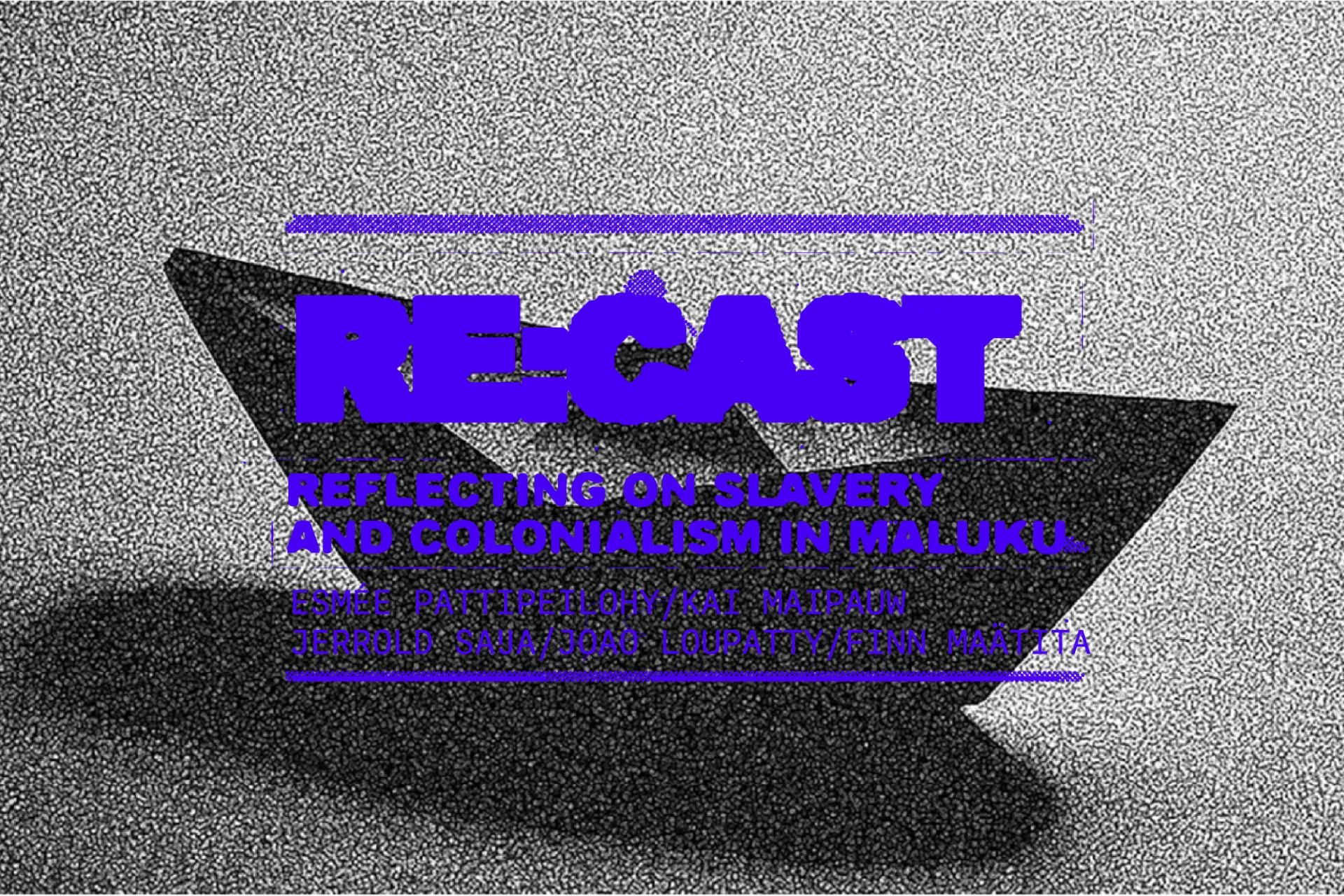
Now on view: RE:CAST – Reflecting on slavery and colonialism in Maluku
In this exhibition, five talented young Moluccan artists of the third and fourth generation turn their attention to the story of slavery in the Moluccan archipelago, which until now has often been overlooked.
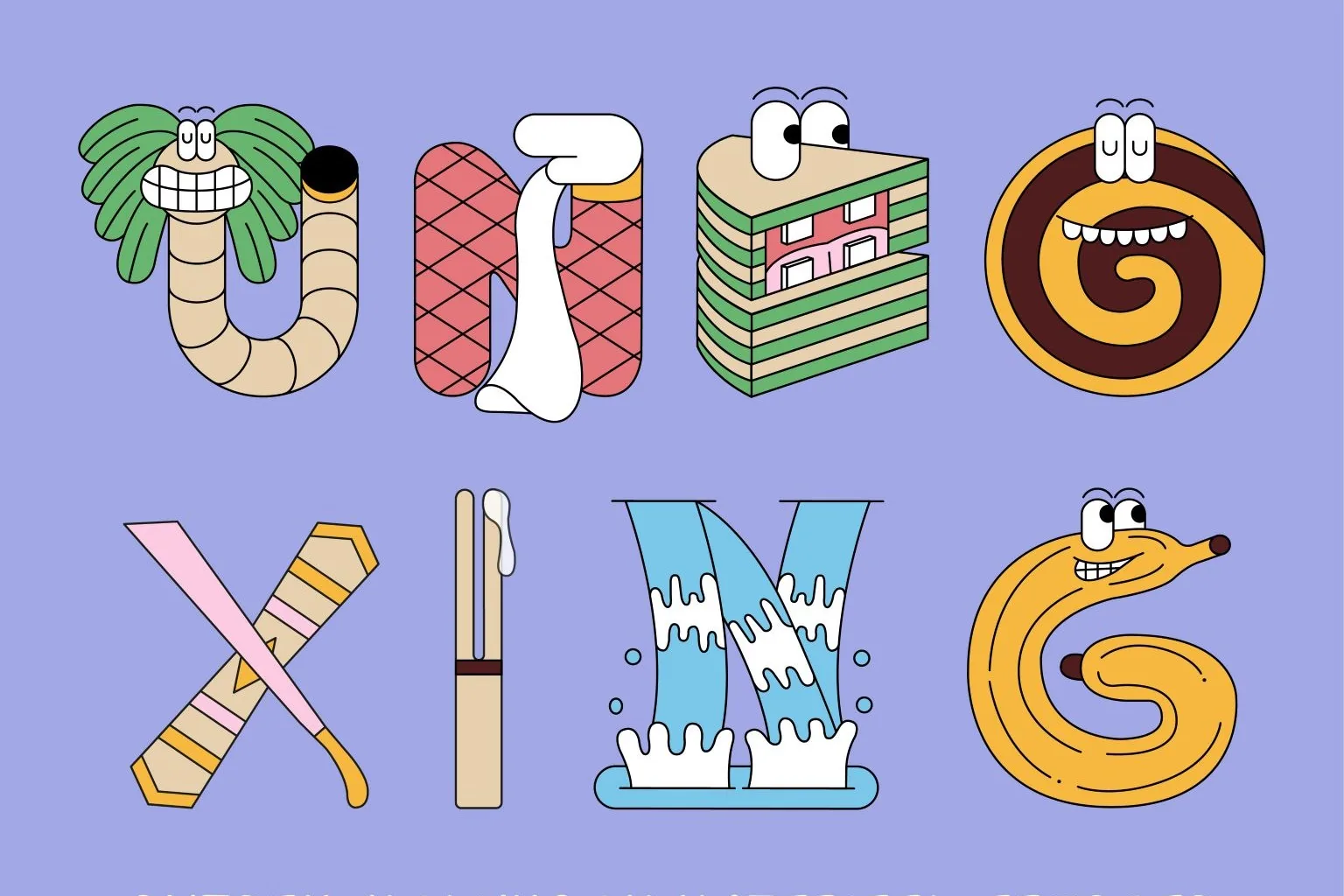
Stream our vodcast 'Unboxing – Uitgepakte verhalen'
Generations from Moluccan communities come together to bring the boxes down from the attic and open them, sharing their stories, rituals and traditions.