#
Inspection of the Museum Maluku collection
Over the past months the curators and the team of museum staff have been busy relocating the museum collection from the two storage sites to two new depots. You read that correctly: two new depots. We reported earlier that we were fitting out a depot for our archive collection in Rotterdam. At the end of November the final choice also fell on the Museum Depot of the municipality of Rotterdam at Metaalhof. Here our museum collection will be stored responsibly according to strict museum guidelines.
Metaalhof & museum storage conditions
Museum Maluku was able to find a space in the municipal museum depot in Rotterdam through mediation with the Nationaal Museum van Wereldculturen. This includes various museums such as the Tropenmuseum in Amsterdam, the National Museum of Ethnology in Leiden and the Wereldmuseum in Rotterdam. This museum depot at Metaalhof holds collections of various Rotterdam museums, including that of the Wereldmuseum. From the end of January, Museum Maluku will have 2 rooms at its disposal.
A museum depot places high demands on the storage conditions of collections that often consist of unique but also fragile material. Every museum object, whether a painting, an item of clothing, a sculpture or an everyday object, will deteriorate physically over time. The materials it is made of will age and show decay. Organic materials such as paper, wood, cotton and animal or human material are very fragile. To slow that decay, the storage conditions must be as good as possible in order to hold back the disruptive outside influences that cause it. There are special requirements regarding dust, light, temperature, air and relative humidity. In museum language we call this preventive conservation.
Special requirements
A museum depot has to meet special requirements. The depot must be clean and free of dust. Harmful UV rays in light have to be filtered out to prevent discolouration, for instance. Light-sensitive materials must be wrapped or stored in a dark space. The temperature must be constant but not too warm. For many objects a temperature of 18 °C is good. A damp space is disastrous for a collection, because the risk of mould and spores developing is then very high. A relative humidity of 55%, expressed as RH 55, is therefore required. Air circulation is good as long as the extraction of air through a ventilation system is fitted with filters that can hold back spores of moulds or other micro-organisms. The list of requirements for storage conditions is long and specific and is related to the materials to be preserved. The museum depot at Metaalhof meets all the requirements. The Museum Maluku collection will be safely and responsibly stored here.
Inspection of the museum collection
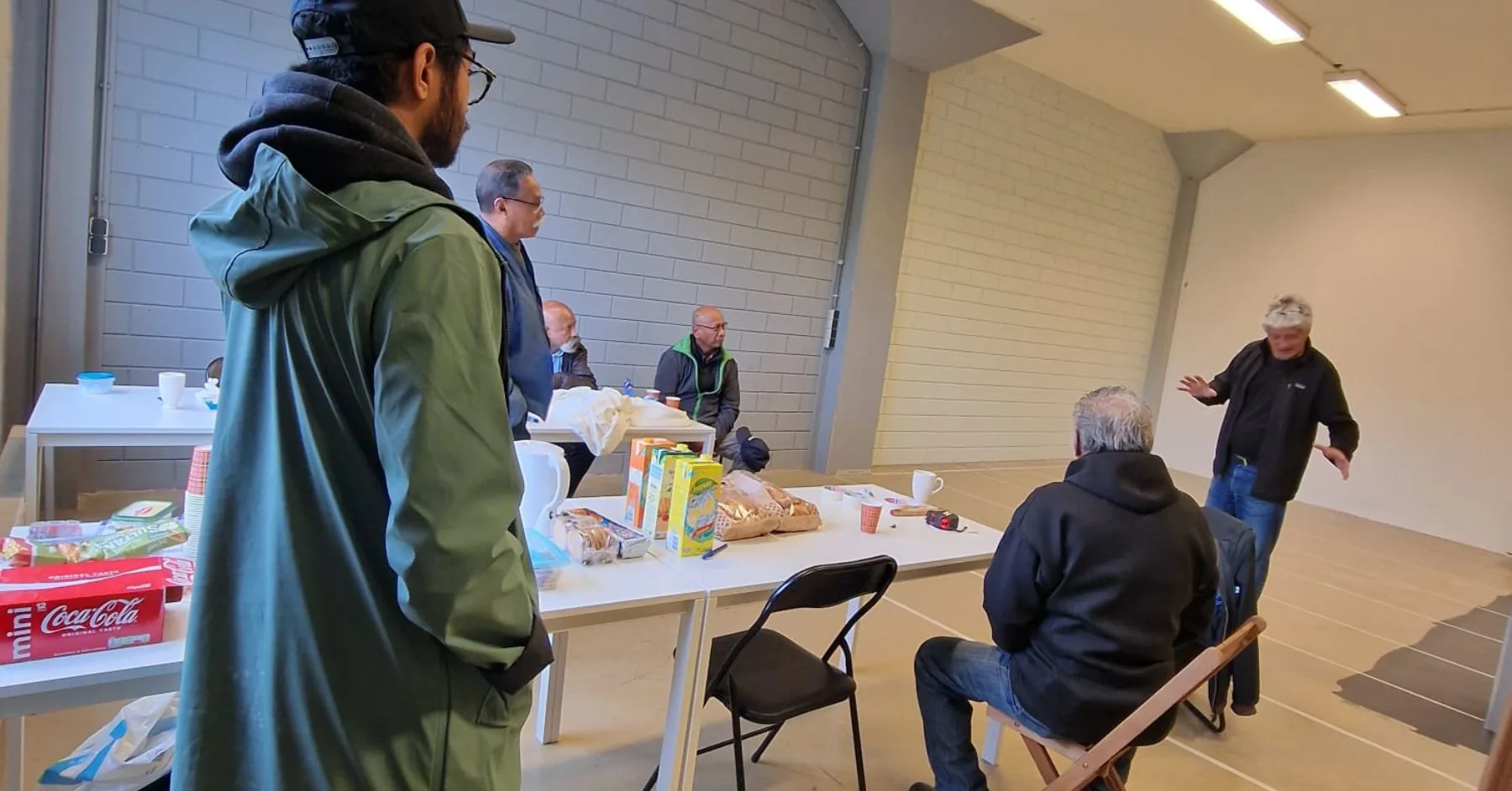
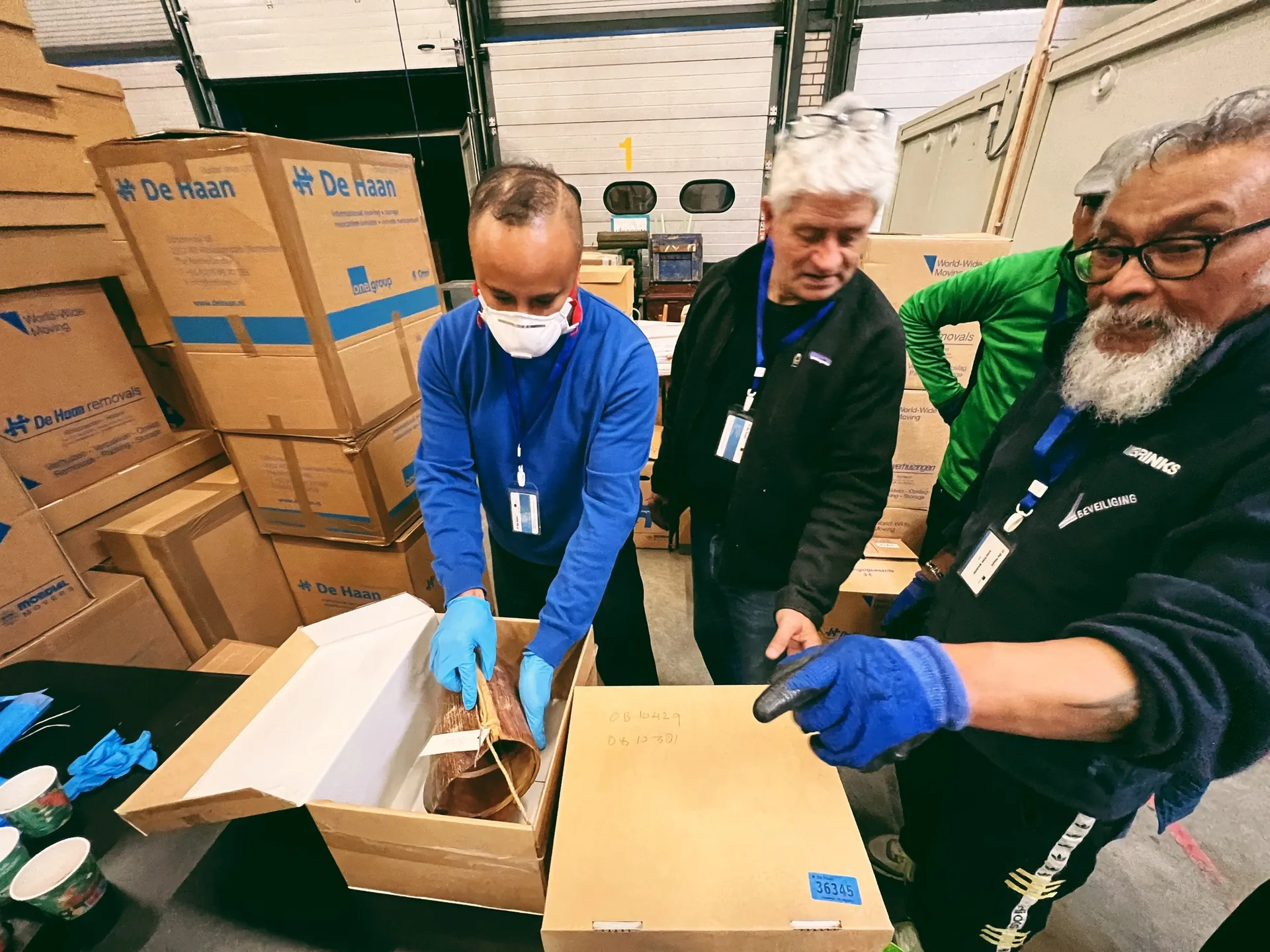
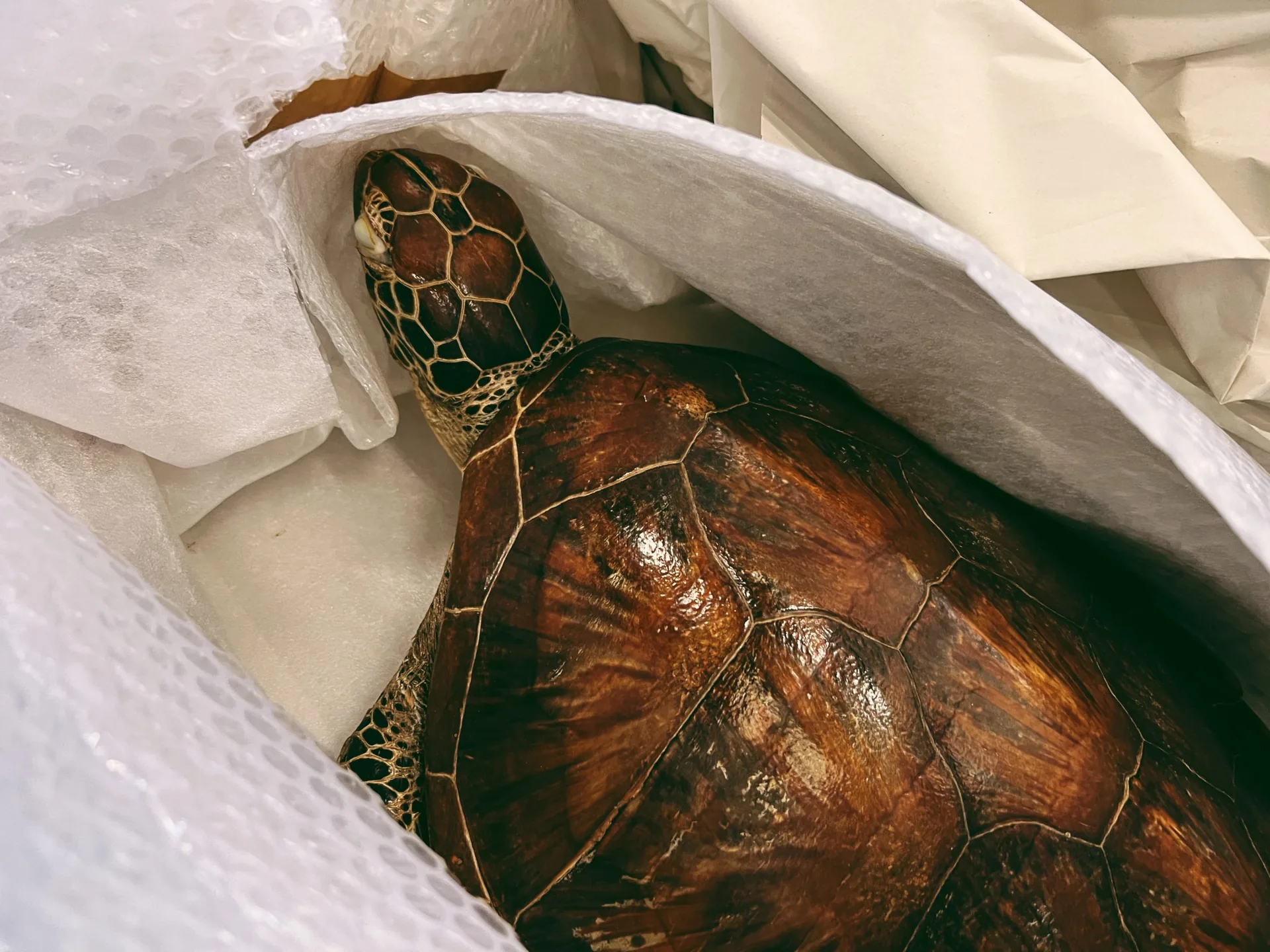
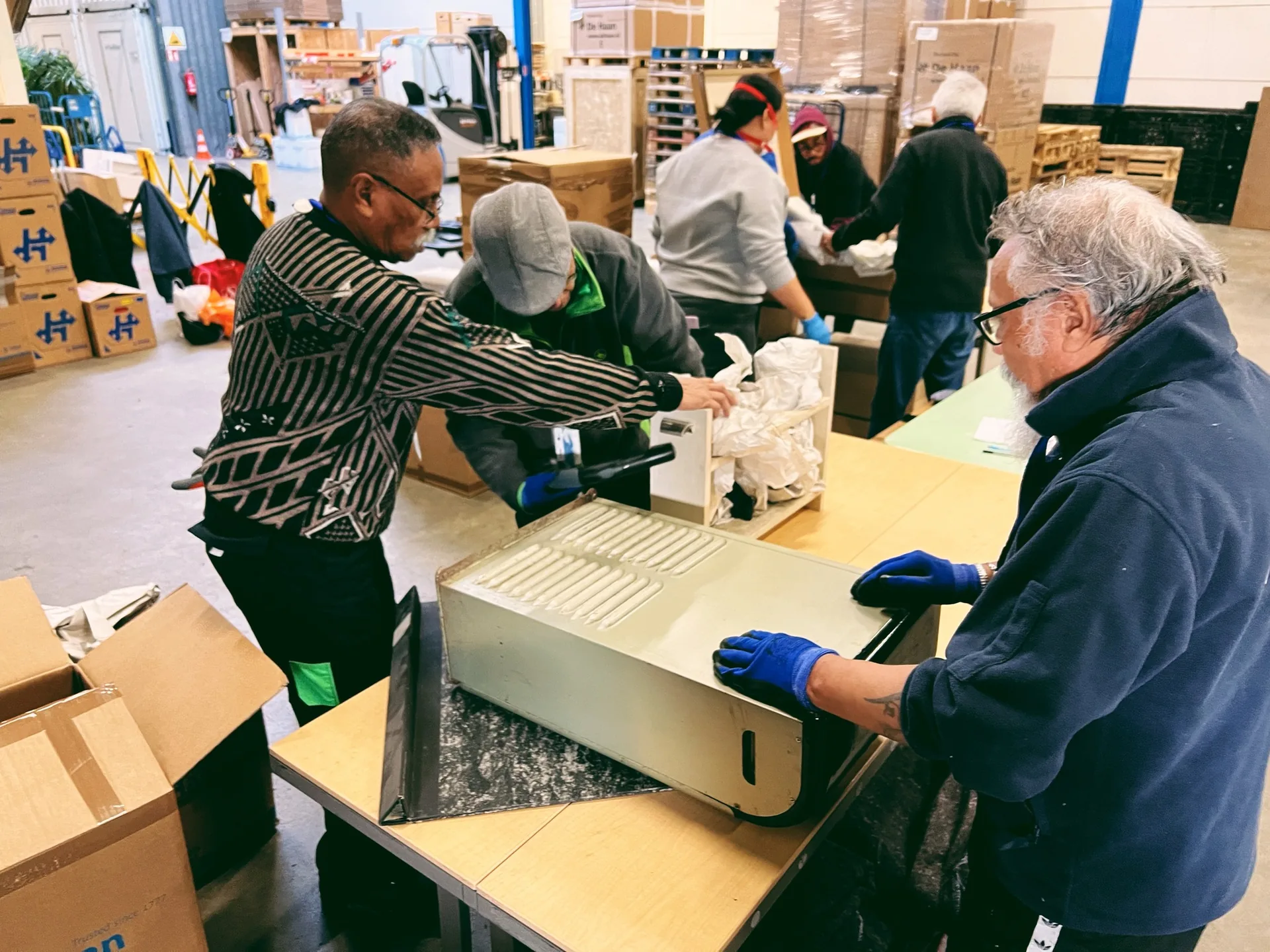
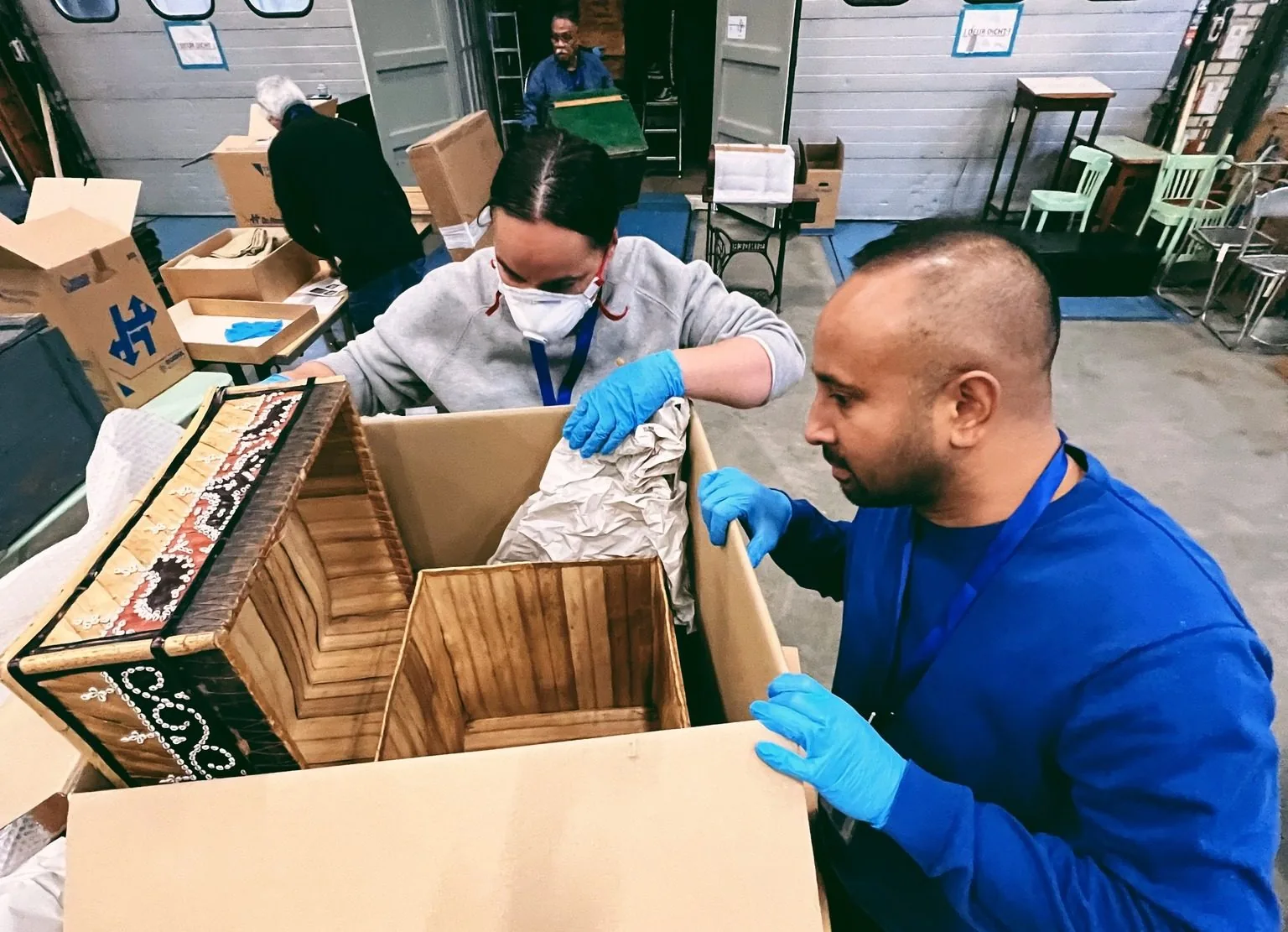
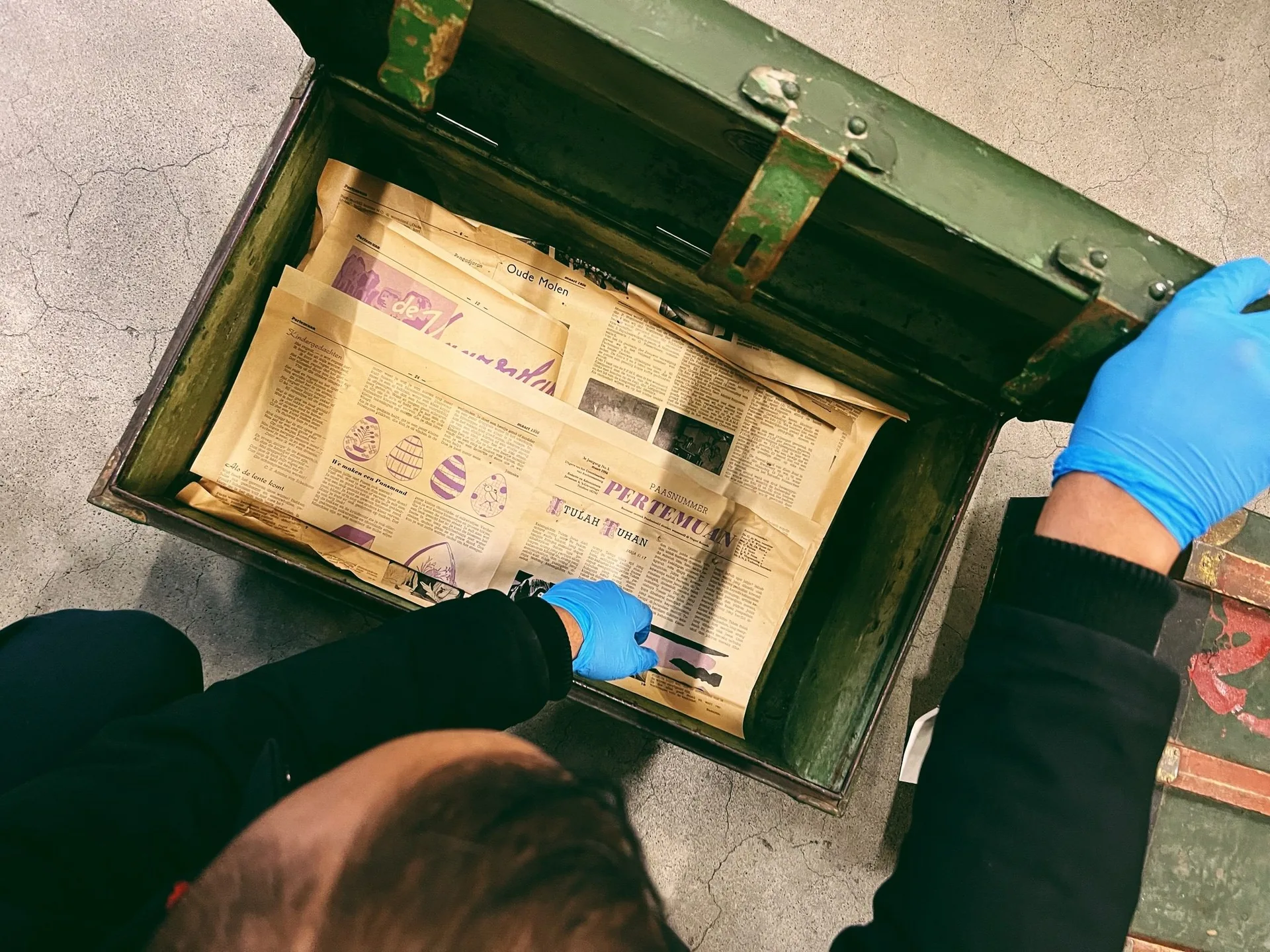
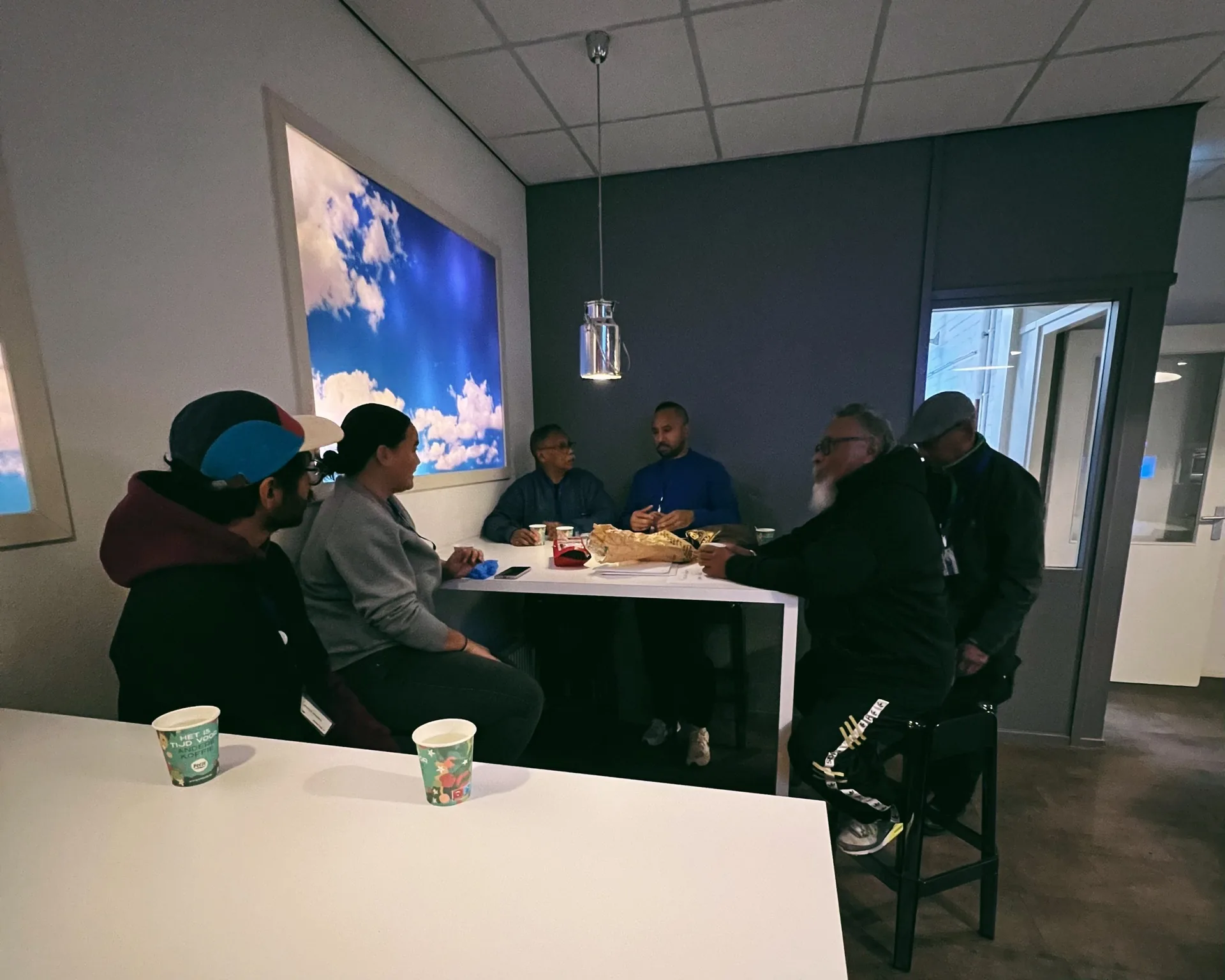
The museum collection still stored in Alblasserdam cannot be moved from that storage directly to the climate-controlled museum depot. One requirement is that the collection must first be checked. Is the collection clean? Has the collection not been affected by mould, insects or other micro-organisms during years of storage? On 30 November and 1 December the museum team, together with a few uncles from Capelle aan den IJssel, inspected part of the museum collection. Around 43 m3 of boxes and objects were checked and sorted. The fragile objects made of organic material, such as clothing and militaria, wooden figures, ethnographica and stuffed animals, will have to be examined more closely. Traces of mould were detected with the naked eye on only a few objects. These objects will be assessed further by external specialists and treated if necessary. We call this active conservation.
-
-
-
-
-
-
Relocation of the collection
From February 2023 the museum collection will move to Metaalhof in phases. Museum Maluku keeps its museum presence in Museum Sophiahof in The Hague with the permanent exhibition Ons Land and the temporary exhibition Afgestoft: membuka tambo lama, which can be seen until 10 April. At the Metaalhof site the collection will be further unpacked and examined by the curators and entered into the new registration system Atlantis. At the Piekstraat, more than 300 m of archive material will be repacked and (in part) prepared for digitisation. Museum Maluku is being helped there by two professionals from the archive world: bung Chris Latumahina, a retired archive inspector from Tilburg, and Caro Matulessya, archive describer at the International Institute of Social History (IISG) in Amsterdam.
Caring for our Moluccan heritage
Unpacking, examining, cleaning and describing the collection is an enormous job. The museum is therefore still looking for volunteers who would like to take an active part in caring for Moluccan heritage and help with work on collection preservation and management. Interested, or have questions? Then send an email to collectie@museum-maluku.nl. Every bit of help, large or small, is very welcome.
To be continued.
Huib Akihary Head Curator