#
RE:CAST – A new view of slavery and colonialism in the Moluccas
From 11 October 2024 to 26 January 2025, Museum Maluku presents the exhibition RE:CAST – Reflecting on slavery and colonialism in Maluku. Five young Moluccan artists of the third and fourth generation bring forward the often overlooked story of slavery in the Moluccan archipelago. Working across a range of art forms, they explore the deep and lasting impact of these systems of oppression, both personally and socially. Henry Timisela, director of Museum Maluku, and artist Joao Loupatty talk about the themes in the exhibition, the role of art in reinterpreting history and how RE:CAST casts a new light on this complex past.
Recasting the past
"Our museum traditionally focuses on the arrival of Moluccans in the Netherlands in 1951, but we wanted to broaden that story," Henry says. "With that aim in mind we submitted a grant application during the Slavery Commemoration Year to research slavery in the Moluccas. This subject is inextricably bound up with Dutch history: the first step in the Dutch history of slavery took place in the Moluccas, when the VOC wanted to gain the monopoly on cloves and nutmeg. Together with a young Moluccan artists' collective we explored how they could give shape to this story from their own perspective." That collaboration led to RE:CAST, an exhibition in which the colonial past is not only commemorated but also given a place in the present. The exhibition's title was carefully chosen. "It is about rearranging the players on the stage and melting down old stories into something new," Joao says. "We take traumas and memories from the past and cast them in a new form."
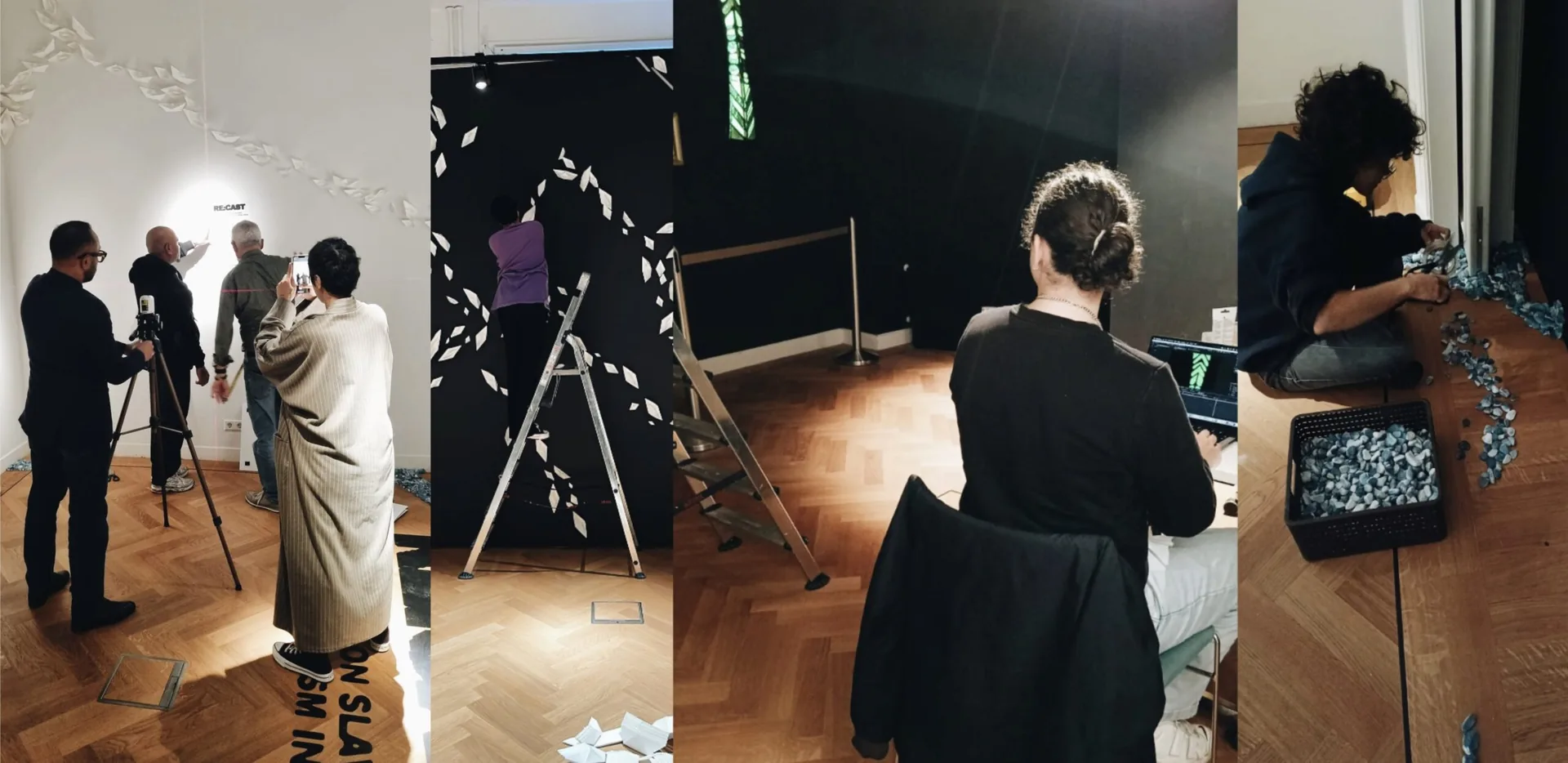
The artists and the Museum Maluku team make preparations for the exhibition.
Seen from another perspective
The exhibition presents the work of five artists: Esmée Pattipeilohy, Kai Maipauw, Jerrold Saija, Finn Maätita and Joao Loupatty. Their work brings the consequences of colonialism and slavery into view in personal and creative ways. Joao's installation, Current Futures, combines objects from the Museum Maluku collection with AI-generated images. "I use objects that stand for protection, such as a salawaku (traditional Moluccan shield) and a turtle's shell – objects that stand for culture and stories that survived the violence of colonialism and slavery," he explains.
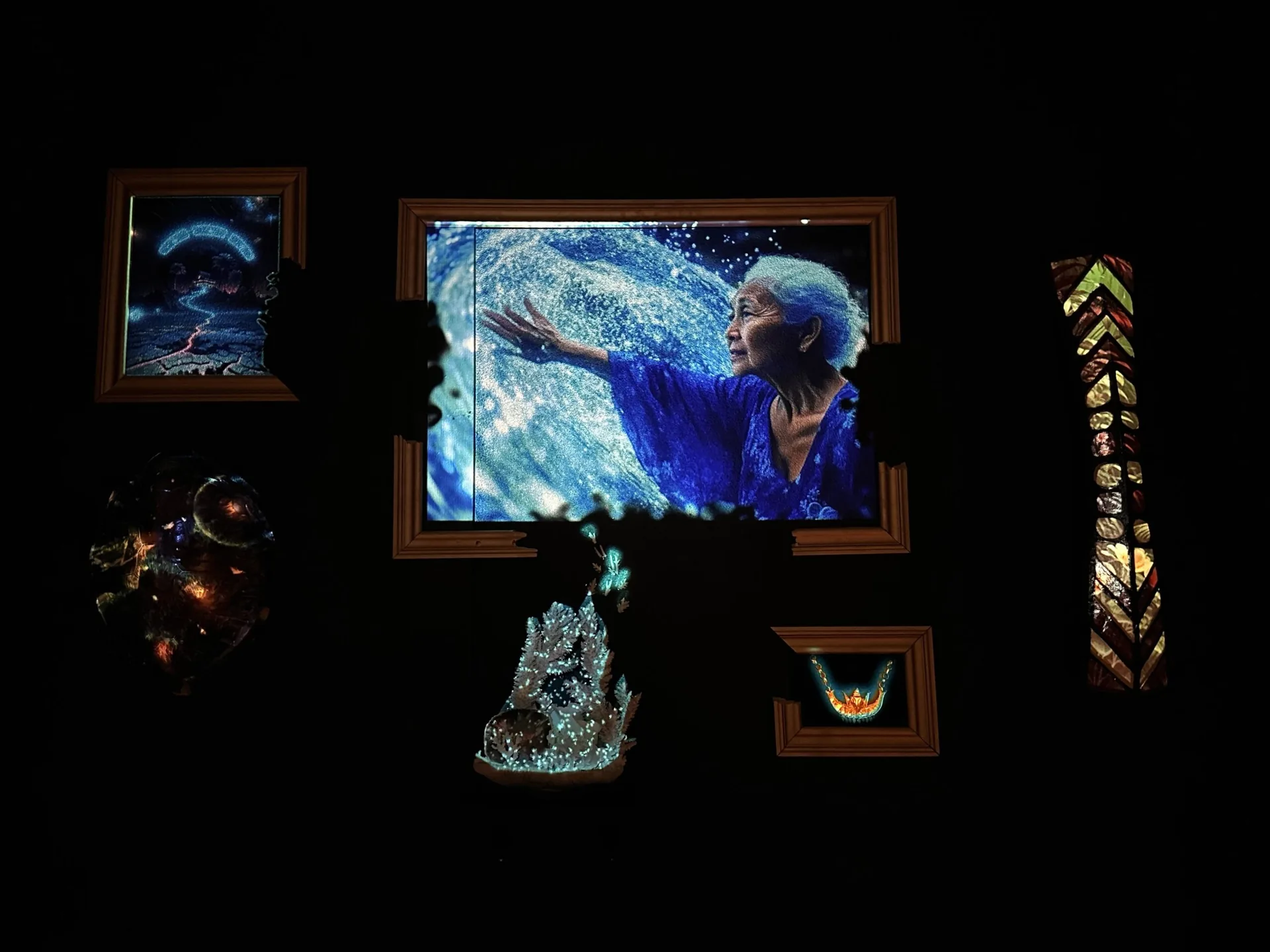
The work Current Futures by Joao Loupatty
For Joao, working with AI on this project was a challenge. "AI is often rooted in Western ideas. If you want to create a Moluccan person, that is almost impossible, because we are not in the dataset. That makes painfully clear how little representation and cultural sensitivity there still is." With his work Joao deliberately turns the perspective around: "Colonial paintings often show the viewpoint of a captain on a ship. But what did it look like for the people on land, watching the ships arrive? By telling history through their eyes, I try to make another side of the story visible."
Art as a means of dialogue
The exhibition deliberately evokes emotion and discussion, Henry stresses: "It is allowed to grate. Of course you can make a traditional museum display with objects and a caption beside them, but these artists have succeeded in making the impact of colonialism and slavery visible, at times painfully so. When I speak with visitors, both with and without a Moluccan background, I often hear: 'I did not know this.' That tells us we have achieved a goal."
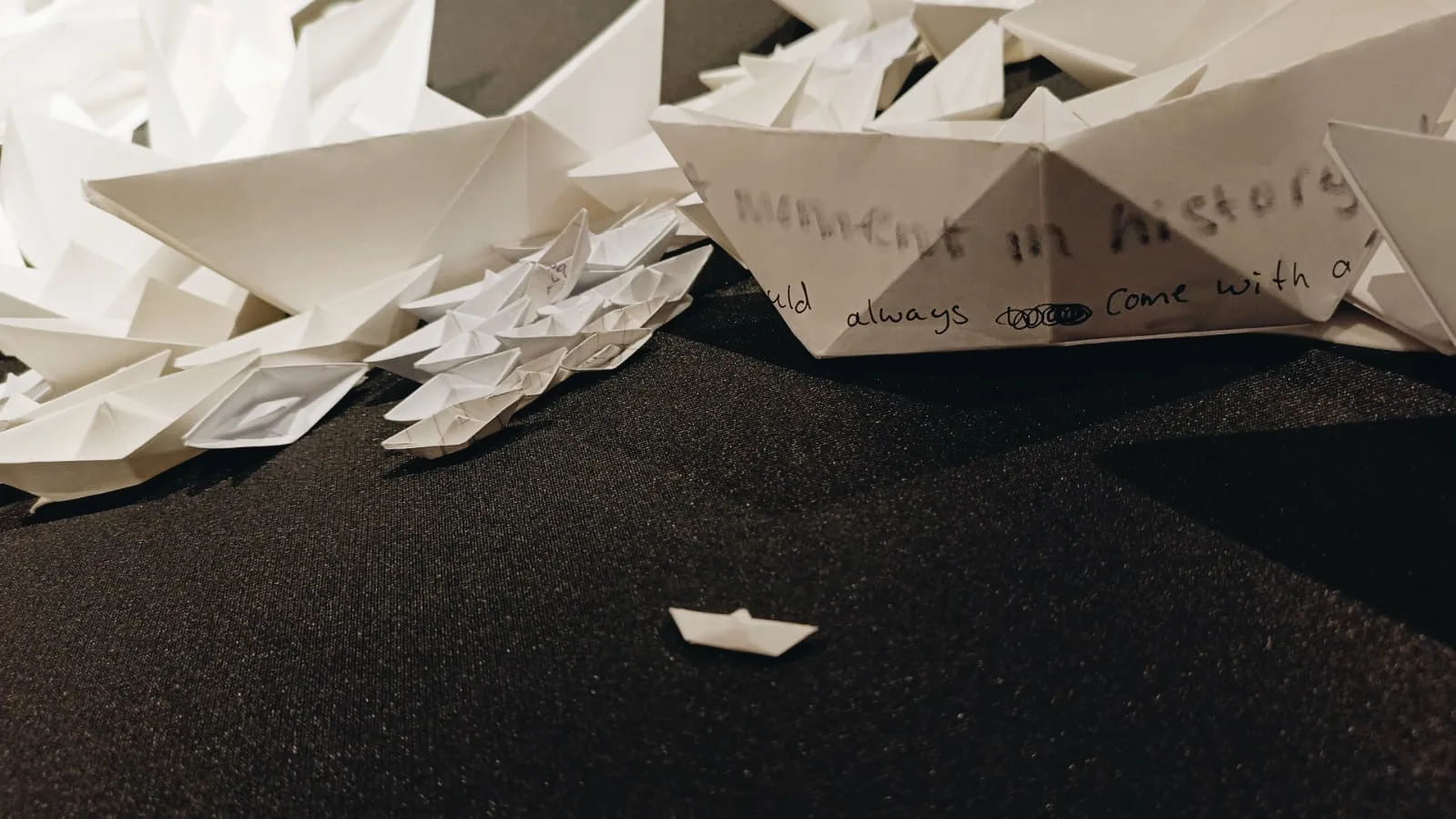
A detail from the work Holiest/Hostile by Kai Maipauw.
Joao sees this in the responses to his work too. "People send me messages: some find it great, others ask critical questions. One person did not understand why I had given a certain aspect that form. We spoke on the phone, and in the end it became a fine conversation. It shows that much still goes unspoken, and that this dialogue is exactly what is needed. I am glad my work can provoke responses like these."
The exhibition RE:CAST – Reflecting on slavery and colonialism in Maluku can be visited at Museum Sophiahof until 26 January 2025.
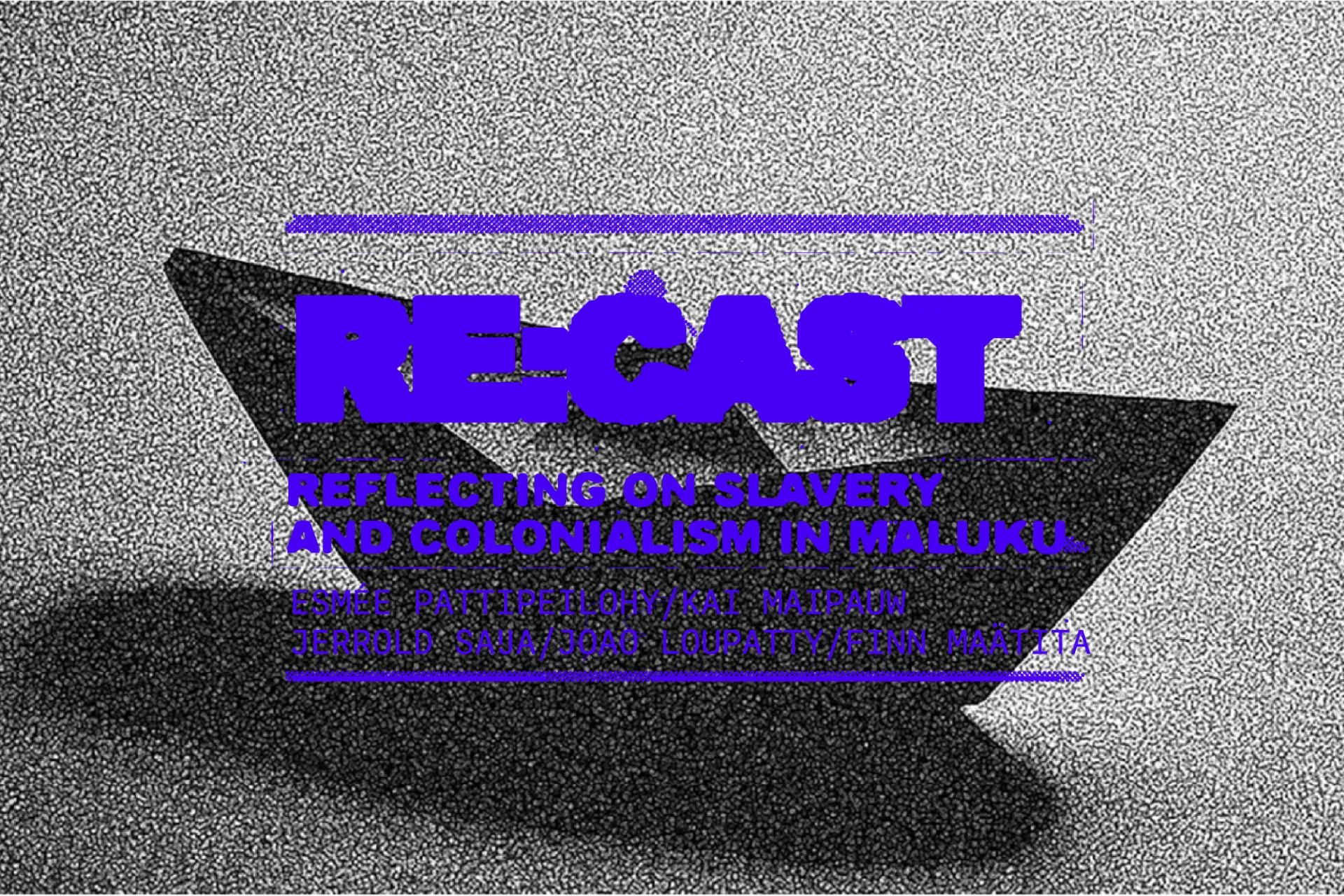
Now on view: RE:CAST – Reflecting on slavery and colonialism in Maluku
In this exhibition, five talented young Moluccan artists of the third and fourth generation turn their attention to the story of slavery in the Moluccan archipelago, which until now has often been overlooked.
Stream our vodcast 'Unboxing – Uitgepakte verhalen'
Generations from Moluccan communities come together to bring the boxes down from the attic and open them, sharing their stories, rituals and traditions.