RE:CAST – Reflecting on slavery and colonialism in Maluku
From 11 October 2024 to 26 January 2025, Museum Maluku presents the exhibition RE:CAST – Reflecting on slavery and colonialism in Maluku. In it, five talented young Moluccan artists of the third and fourth generation turn their attention to the story of slavery in the Moluccan archipelago, which until now has often been overlooked.
About the exhibition
In this exhibition the artists Esmée Pattipeilohy, Kai Maipauw, Jerrold Saija, Joao Loupatty and Finn Maätita set out to make the painful and often hidden legacy of slavery and colonialism visible. Working across a range of art forms, they explore and give shape to the deep and lasting impact of these systems of oppression. Each of them approaches the theme from a unique perspective, mapping not only the historical context but also the continuing influence of this history on present-day reality. The overarching themes in their work highlight the lasting traces of slavery and colonialism in the Moluccan archipelago, as well as the ways in which these historical forces still work through the lives of today's generations, in their personal experience as much as in the wider social context. By telling these stories, the artists contribute to a broader dialogue about identity, memory and the ongoing struggle against injustice.
RE:CAST
A cast can mean several things: it is a mould in which a positive and a negative together form an image; it can also refer to a plaster cast that serves as a protective layer during healing. And then there is the notion of recasting—redistributing the roles within a narrative. In this context the makers, as descendants of the oppressed, are given the chance to shape the story themselves this time and to position themselves actively in relation to the oppressor and their reading of history.
Meet the artists
Esmée Pattipeilohy
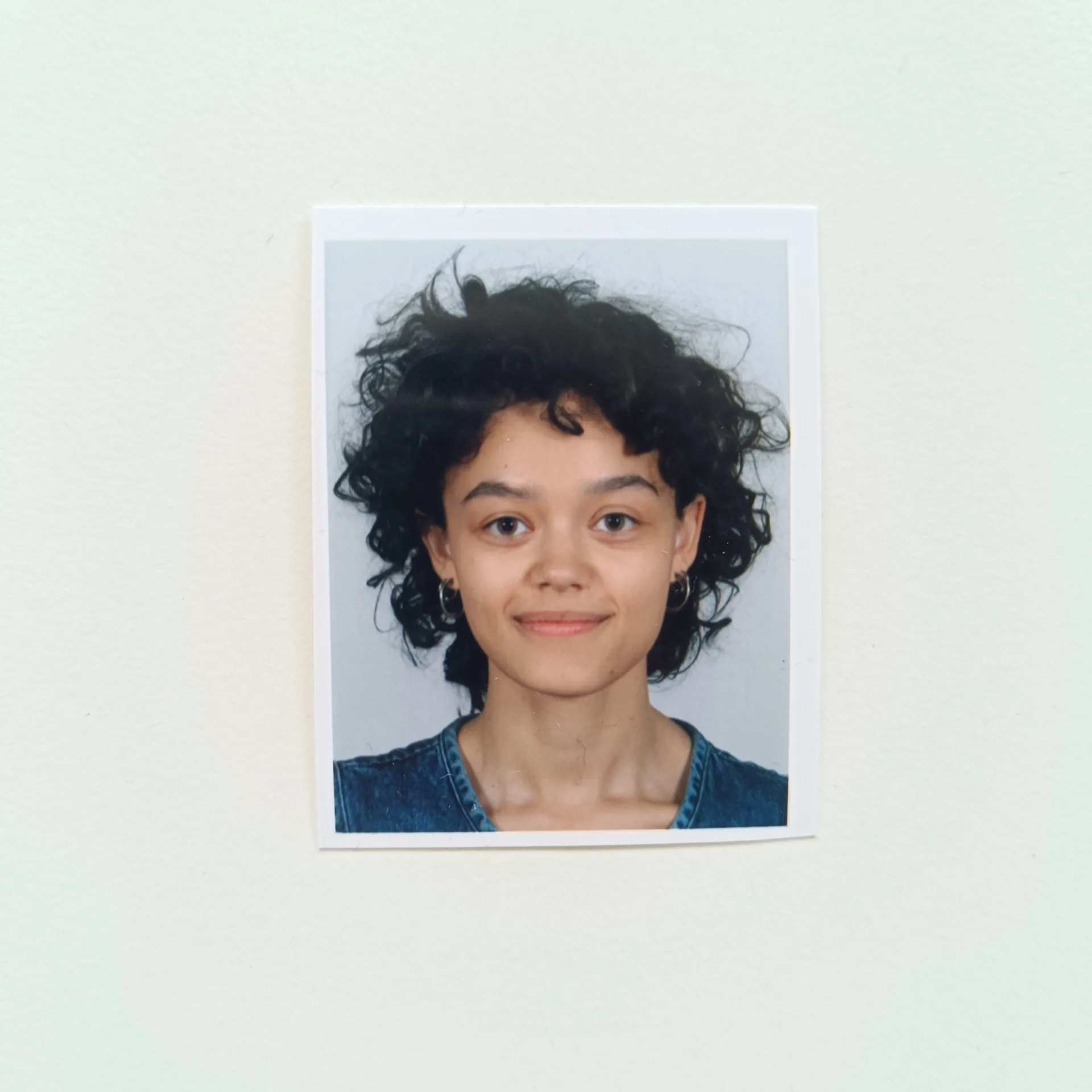
In her work, Esmée Pattipeilohy (Amsterdam, 2002) explores the value of what is left behind. "Those who keep things have something," the saying goes, but who decides what is kept? Family history, food culture and the colonial past are recurring themes in the questions her practice raises. Her mixed Indo-Moluccan-Dutch cultural identity takes centre stage in her work, in an attempt to find a foothold within it. These questions find form in various media, spatial interventions and installations. It is up to the viewer to make a whole out of all the parts.
Kai Maipauw
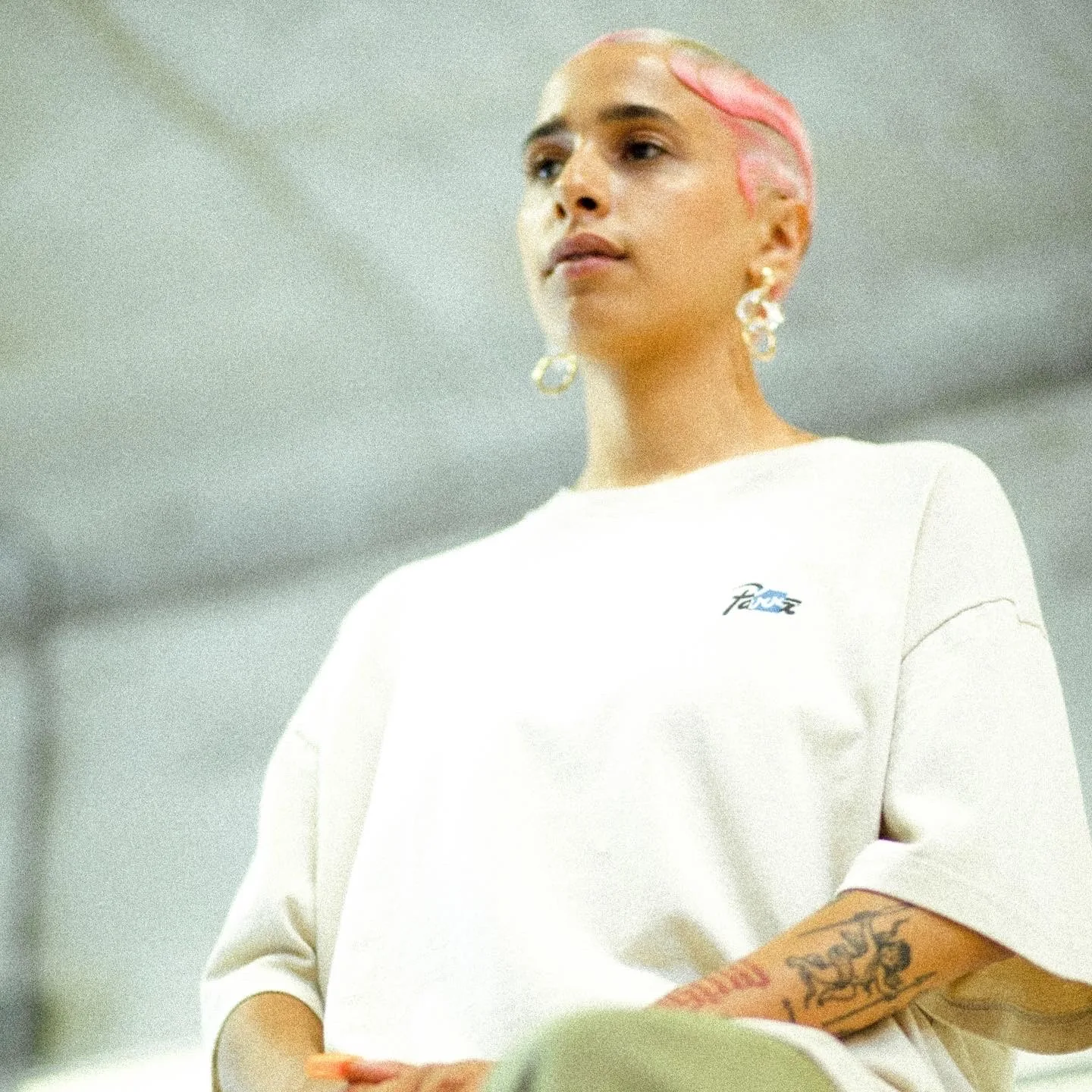
Kai is a transdisciplinary artist from Amsterdam. "I am a dreamer and a fighter." Through art, Kai seeks to understand the world around us. "Art is expressing things that are otherwise hard to talk about; art is an ancient form of communication; art is a way of telling people what I think or how I feel about a situation; art is my therapy; art is my escape from reality."
Jerrold Saija
As a visual artist, Jerrold Eliano Saija (Sittard, 1996) tries to capture memories. So that they do not evaporate and we can experience, preserve and pass them on anew. A memory is intangible. And yet it resides somewhere: in our bodies, but also in shared experience, oral histories and archives. Drawing on these networks, Saija builds a (re)connection with Moluccan experience in his multimedia work. With video, sculpture and 3D models among other things, he weaves a fabric that holds his personal experience and family history, as well as the colonial traces that resonate through them.
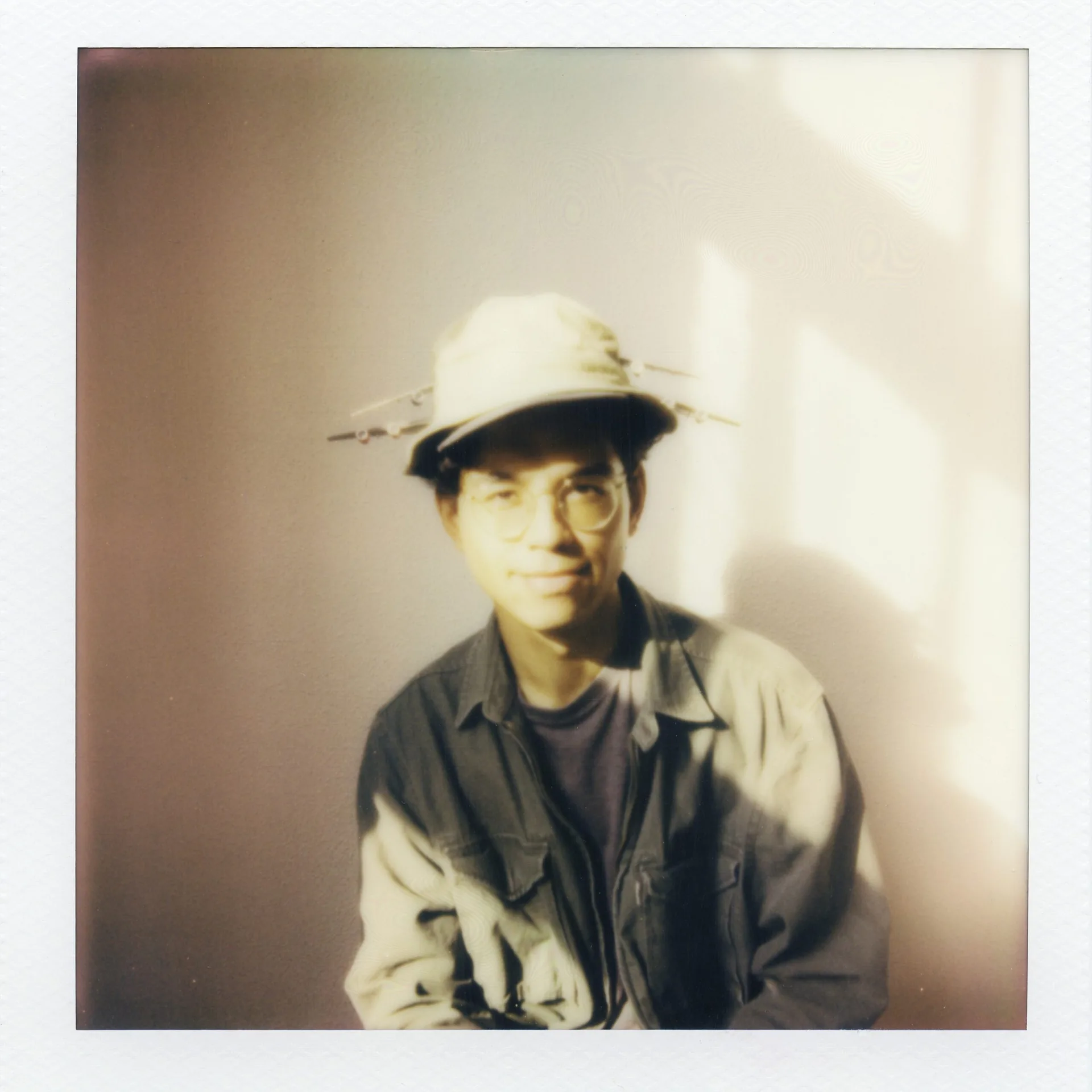
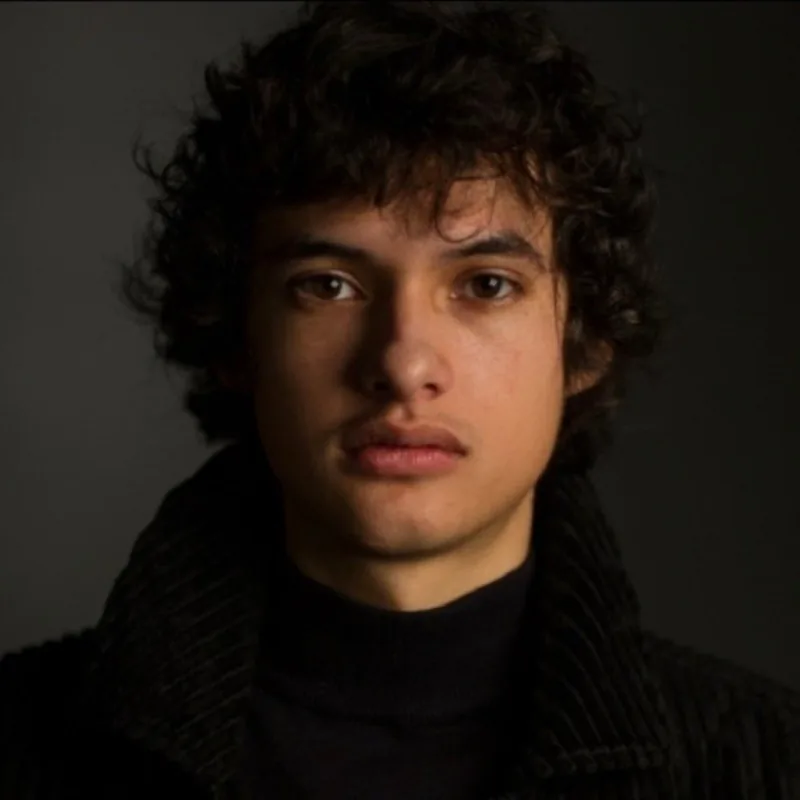
Finn Maätita
Finn Anton Maätita (Haarlem, 1998) is a Moluccan-Dutch artist and researcher. He explores the in-between and transitional zones of his cultural background and experiments with open and closed working methods. This results in layered media installations that bring together audio, moving image and performance, among other elements. Collective experiences of decolonisation and the intersections between different movements motivate him to make himself heard and seen as a Moluccan maker. Maätita is currently immersing himself in the philosophical and ecological re-membering of ancestral Moluccan languages and the revitalisation of that landscape.
Joao Loupatty
Joao Loupatty is a multidisciplinary visual storyteller and teacher specialising in design, ethics and technology. With a background in both graphic design and artificial intelligence, he creates works that combine analogue and digital techniques to tell complex stories. Futurism plays a central role in his work. He asks critical questions about the impact of new technologies on our society and explores the ethical challenges that come with them. He reveals how colonial patterns and stereotypes live on in present-day computer programs and artificial intelligence. In his futuristic works he creates images of a possible future by bringing culture and technology together. In doing so he makes room for the stories and perspectives of the generations that came before us. By creating a dream world in which he mixes nature, culture and futurism, he tries to breathe new life into old stories and traditions. Alongside exposing biases in technology, he approaches cultural symbols with respect and care. Loupatty focuses on building futuristic images in which symbols and stories are handled in a reverent and representative way.