In conversation with: board member Ezra Papilaja
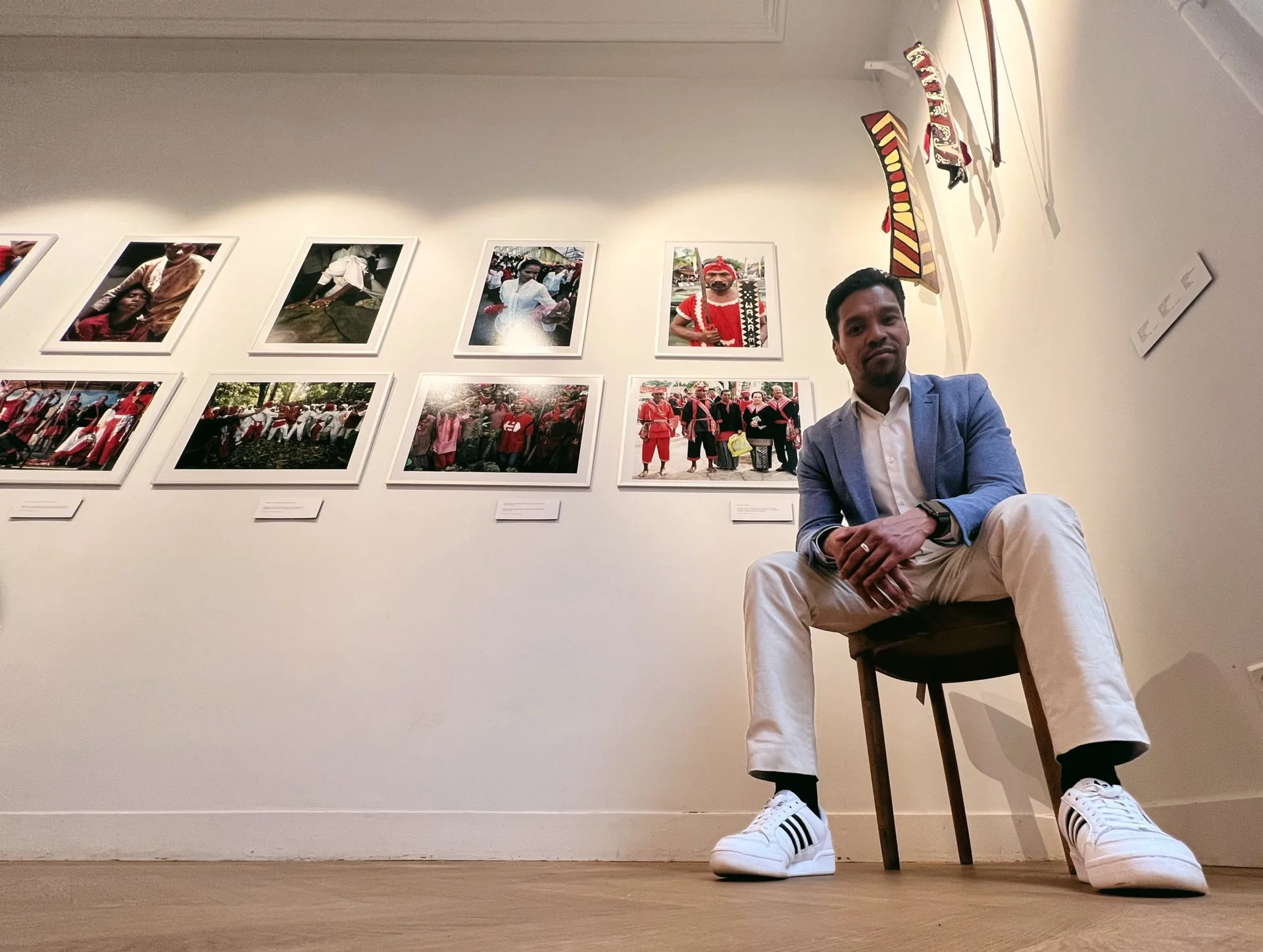
My name is Ezra Papilaja, I am a third-generation Moluccan, born and bred in Huizen. My father is a Papilaja from Itawaka, my mother a Parinussa from Waai, and I have two older sisters. After my studies I stayed in Amsterdam, but eventually moved to Apeldoorn for love and family life. I live there with my Dutch partner, her twelve-year-old daughter and our three-year-old son. What makes this lovely but sometimes also challenging is that different backgrounds and systems come together in our family.
I come from a home that was always active within the Moluccan community. My mother is a minister at various Moluccan churches. My father worked for a large part of his career at Pelita. There I regularly helped as a volunteer at the national Moluccan Seniors' Day in Barneveld, among other things. What I took from that is that contributing to your own community is a great good. That certainly shaped me.
In daily life I have worked for more than ten years in the IT sector as a business development manager at an IT service provider. I help clients solve and optimise questions around digitisation, cloud and data. At work too I am always aware of my Moluccan identity and my appearance, and wherever possible I try to use it to distinguish myself positively from others.
What motivated you to take on a board role at Museum Maluku?
It comes from the feeling that I want to contribute to the Moluccan community, to preserving and passing on our culture and identity. In what form and how, I was not clear. But that feeling grew stronger after our son was born. In June 2022 I saw the vacancy for General Board Member at Museum Maluku and immediately thought 'this is it!'. I applied straight away and was eventually chosen. Then a piece of the puzzle fell into place and I realised that this was a way to contribute to the community.
What I think is important is that the museum continues to exist and is available to the next generations. That it is the place where they can begin their search for their Moluccan identity and keep learning. That there is information for Moluccans and non-Moluccans alike to find out more about the shared history of the Netherlands and the Moluccas. And in particular the history and stories of the first, second and also the third generation. That it is a place where young Moluccans can show their art and culture, tell their own narrative with a new spirit. And that this is the place where it is safeguarded and kept alive. That is what I very much want to contribute to in my role on the board.
In its rich history, Museum Maluku has always tried to be a pivot in creating awareness around the diverse Moluccan narratives. How do you think the traditional role of a museum with exhibitions strengthens the voice of that diversity?
I think it is important to realise that we are diverse within the Moluccan community as well, and that it is good for the different narratives to be recognisable to those diverse groups. I can only applaud the fact that we as a museum are taking on that role more and more, through both digital and physical exhibitions and programming. It also fits entirely with the spirit of the times that we are more than a traditional museum and acknowledge diversity. In that we also have to be creative with the voice we use, so that everyone recognises themselves in the story we want to put out.
On the commercial side there are still many opportunities we can make use of. In the cultural sector generating income is not easy, certainly for a small museum. You need income to run your programme, pay the bills and do the marketing that draws visitors. With the income that comes from that we can ultimately secure the long term. Alongside subsidy income – an important lifeline for us – there are commercial opportunities in areas such as collaborations, partnerships and fundraising. We are growing towards that step by step as a museum, but that too takes time.
Are there specific goals for the future you hope to achieve with the museum?
What I like is that we are working on a sustainable museum for the long term. That runs along the lines of culture, knowledge and education, and alongside that a platform function in addition to the traditional role of a museum. As a goal for the future it would be good if we could continue independently as a museum. At the moment we are limited in what we can do because we are in a shared building with minimal exhibition space. On the other hand we are easy to find online thanks to our active presence on social media, and that is very positive. But I believe there is social and commercial value in having our own location, where we would have more exhibition space and more scope for operations. That offers commercial opportunities too. And perhaps most importantly, it strengthens our identity as a Moluccan institution and what we want to radiate. I therefore think it an important aim for Museum Maluku to have a location of its own again, as it used to in Utrecht.
Are there social themes and trends it is important for Museum Maluku to keep an eye on?
The recently published report of the Bussemaker committee, the 'Committee for Strengthening Knowledge of the History of the Former Dutch East Indies'. The committee's advice is to keep the history and knowledge of the former Dutch East Indies alive and to strengthen it within Dutch society. And to give the story of the various groups, such as that of the Moluccans, more attention in the cultural sector and in education. That is an important theme we as a Moluccan cultural and educational institution should be working on. I think that with good programming and our Moluccan story we can connect to that. And that also ties in with current subjects such as decolonisation and slavery. We are already doing some of this, but there are years of programming work in it. I also see a need for stories about indigenous cultures. There too we as Moluccans have a unique story to tell. There will always be new social trends and themes we can connect to.
Finally, is there anything else you would like to say?
As a board we supervise and steer on matters such as finance, policy, strategy, programming and commerce. Together with the management we think about the future of the museum. As a General Board Member I stand on the business side of the museum, which I enjoy, and together we safeguard what Museum Maluku stands for. We are an active board, so we also help out where needed and possible. That makes this role extra enjoyable and very satisfying.
I am positive about the future; I see many Moluccans of the third and fourth generation actively carrying out their culture and identity, starting initiatives and Moluccan charities. You come across them in every layer of society and in every sector. And you see them taking over more and more tasks and responsibilities from the second generation within their (local) Moluccan community or neighbourhood. In turn they tell their own unique story with the spirit that is typical of our generation. In that way we as a people in the Netherlands keep enriching and developing ourselves, and therefore stay relevant. I see Museum Maluku as the place to bring all these stories together, secure them for the future and present them to a wide public.
There are many things we can and may be proud of. It is also good that we assert ourselves and keep making ourselves heard, but as far as I am concerned that could be much more still. Maju!
In conversation with
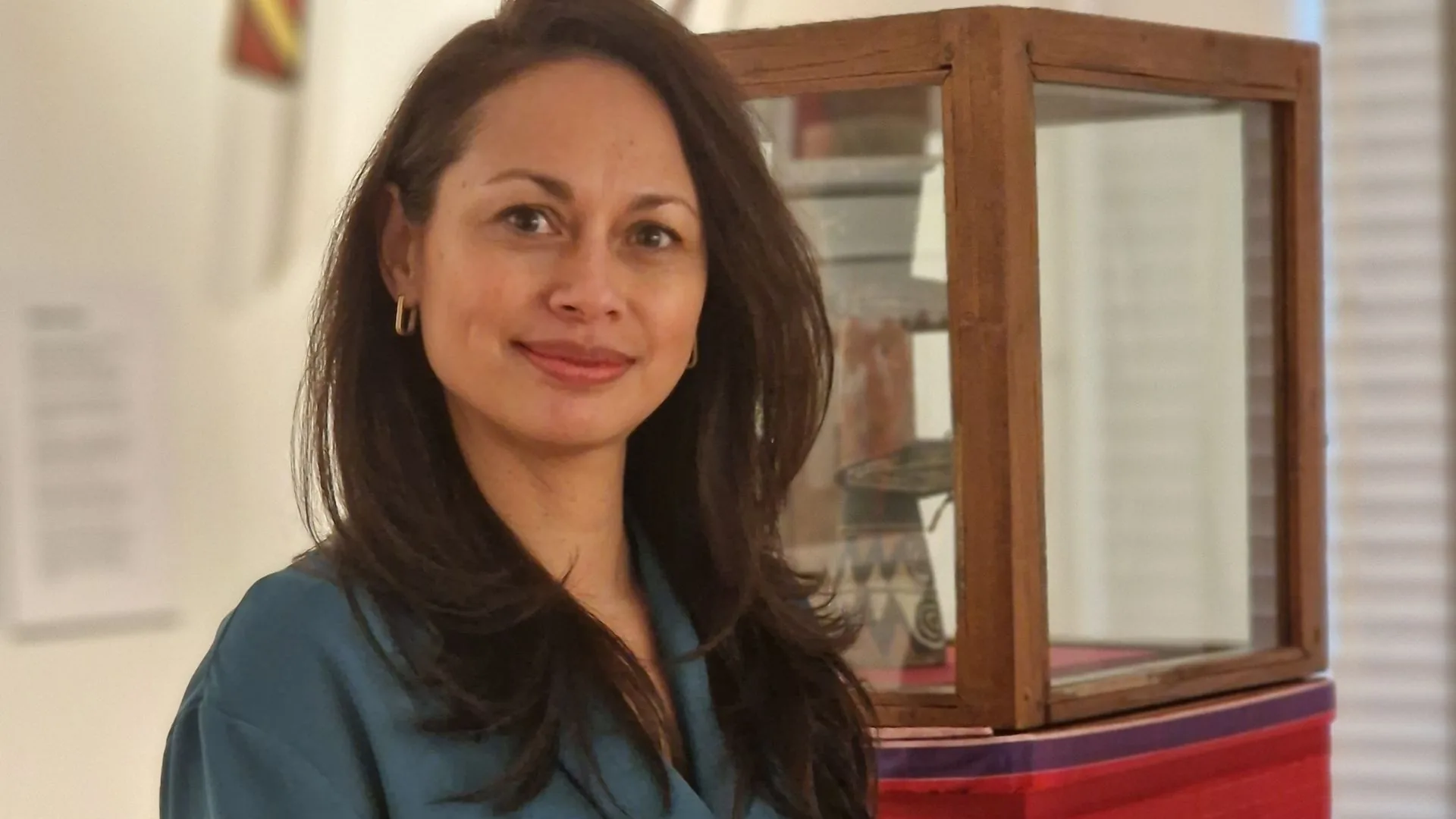
Have you read the interview with chair of the board Sharon Sourbag yet?