****Visit to Museum Siwa Lima in Ambon
**Following the partnership agreement, Museum Maluku's head of collections Huib Akihary made a short working visit to Museum Siwa Lima in Ambon. The aim was to make an inventory of and carry out research into the condition of the Siwa Lima collection, with a view to creating joint exhibitions in future. Museum Siwa Lima, for its part, was keen to learn more about collection management and conservation. **A short report.
The Siwa Lima collection
The collection of Museum Siwa Lima consists of some 5,300 objects. Many of them come from the Moluccas themselves. They are largely everyday objects made of metal or of natural materials from the flora and fauna found throughout the Moluccas. To name a few: animal material such as bone, hide, hair and shells, or plant material such as wood, rattan and palm leaves. Many of these objects are also described as ethnographica.
Depot
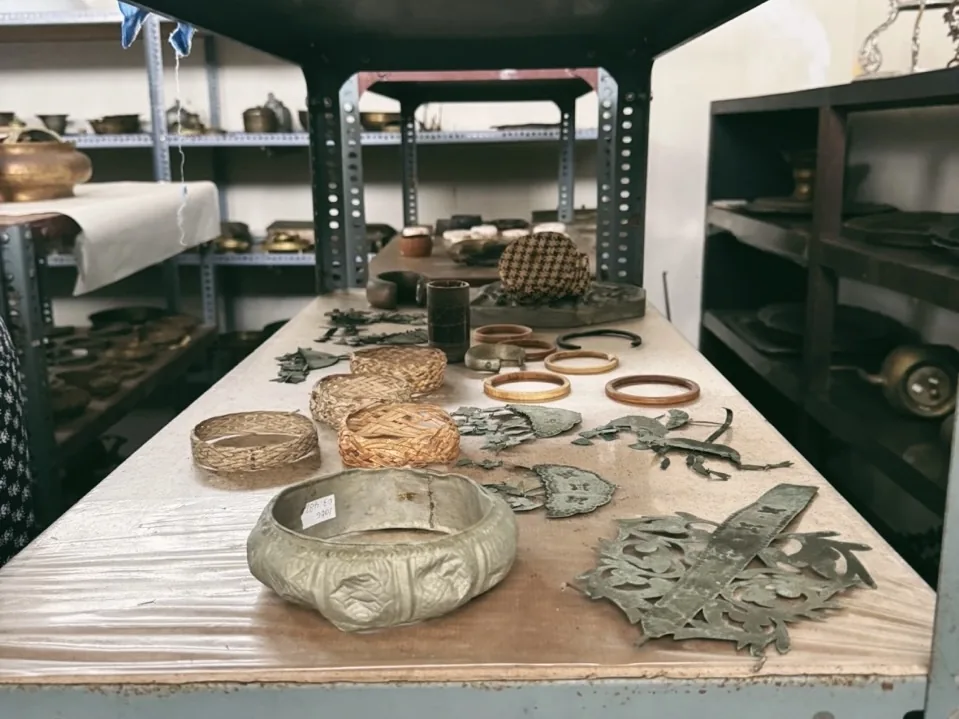
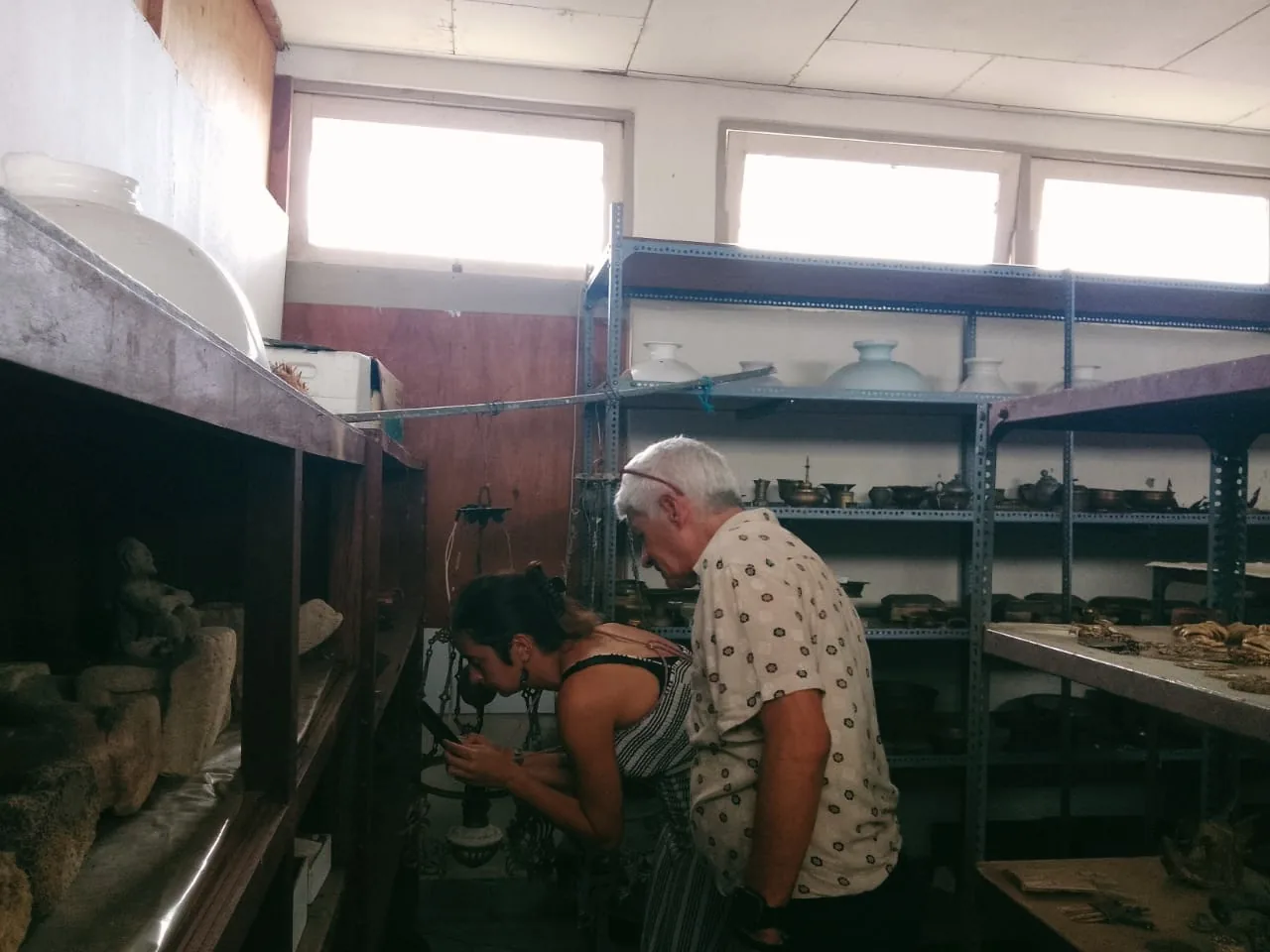
The depot of Museum Siwa Lima is housed in a separate building of 2 open floors on the museum grounds. The ground floor holds mainly the ceramics collection and the textile collection. There are 3 rooms on the first floor. The first room contains the large collection of ethnographica with ancestor figures or tavu, shields or salawaku, spears and wickerwork made of natural materials such as wood and rattan. The second room holds, in dark closed cabinets, photographs and slides, audio material and also a few very old books, such as 4 volumes of Valentijn including the volume on Amboina and the surrounding islands. In the third room, on open racks, lie mainly items of jewellery such as bracelets, breast chains and earrings made of metal or natural material.
Permanent display
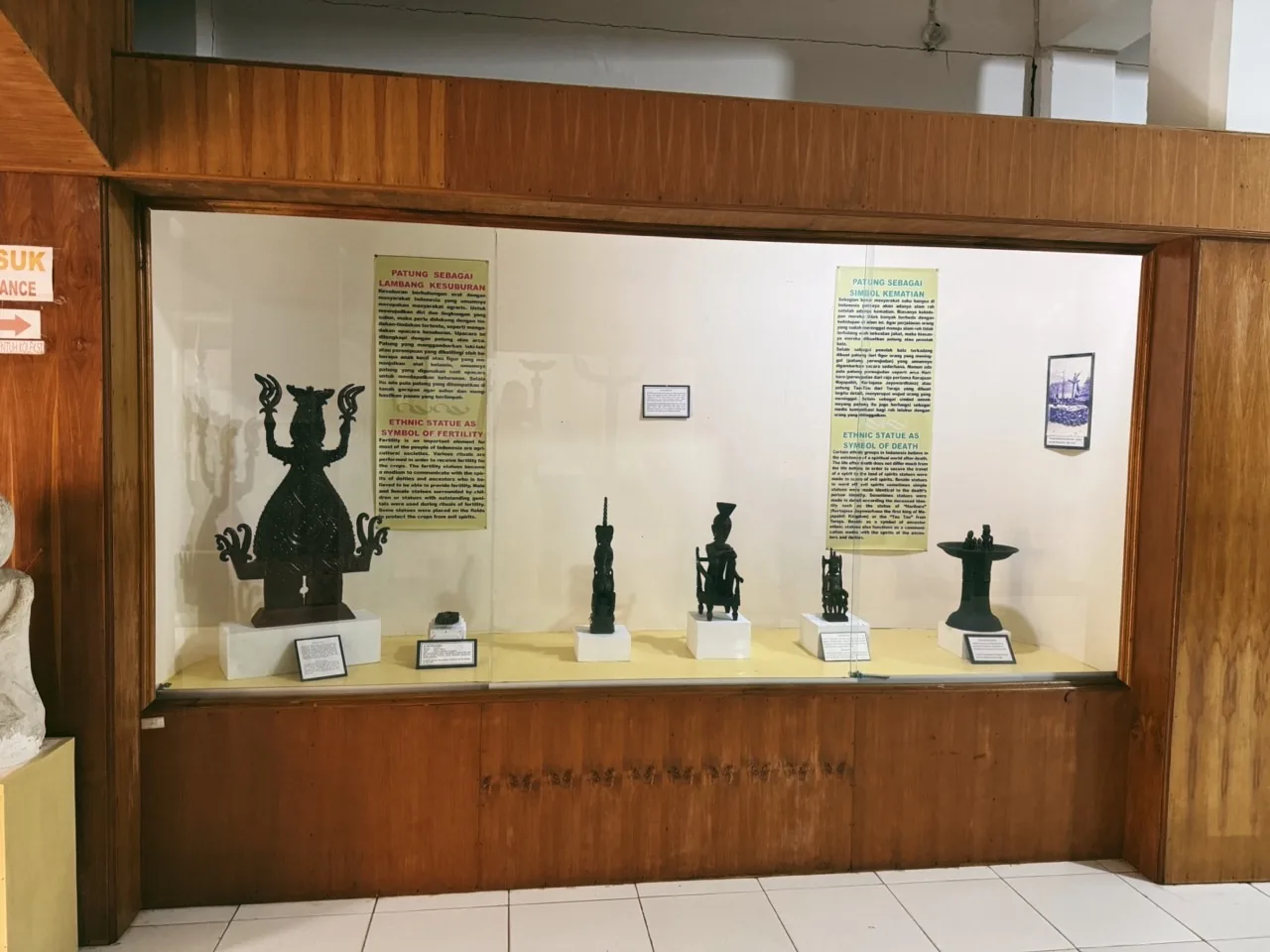
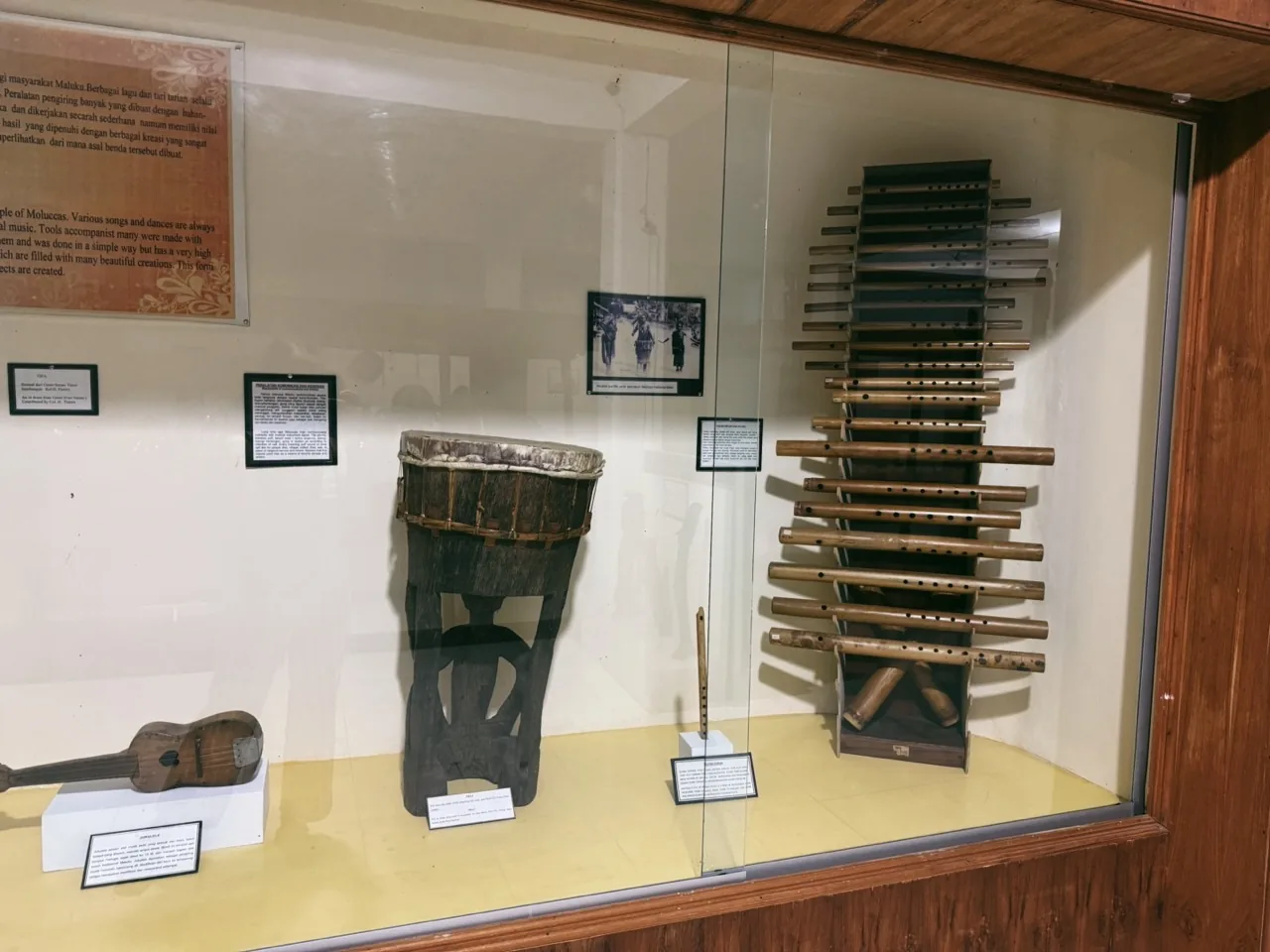
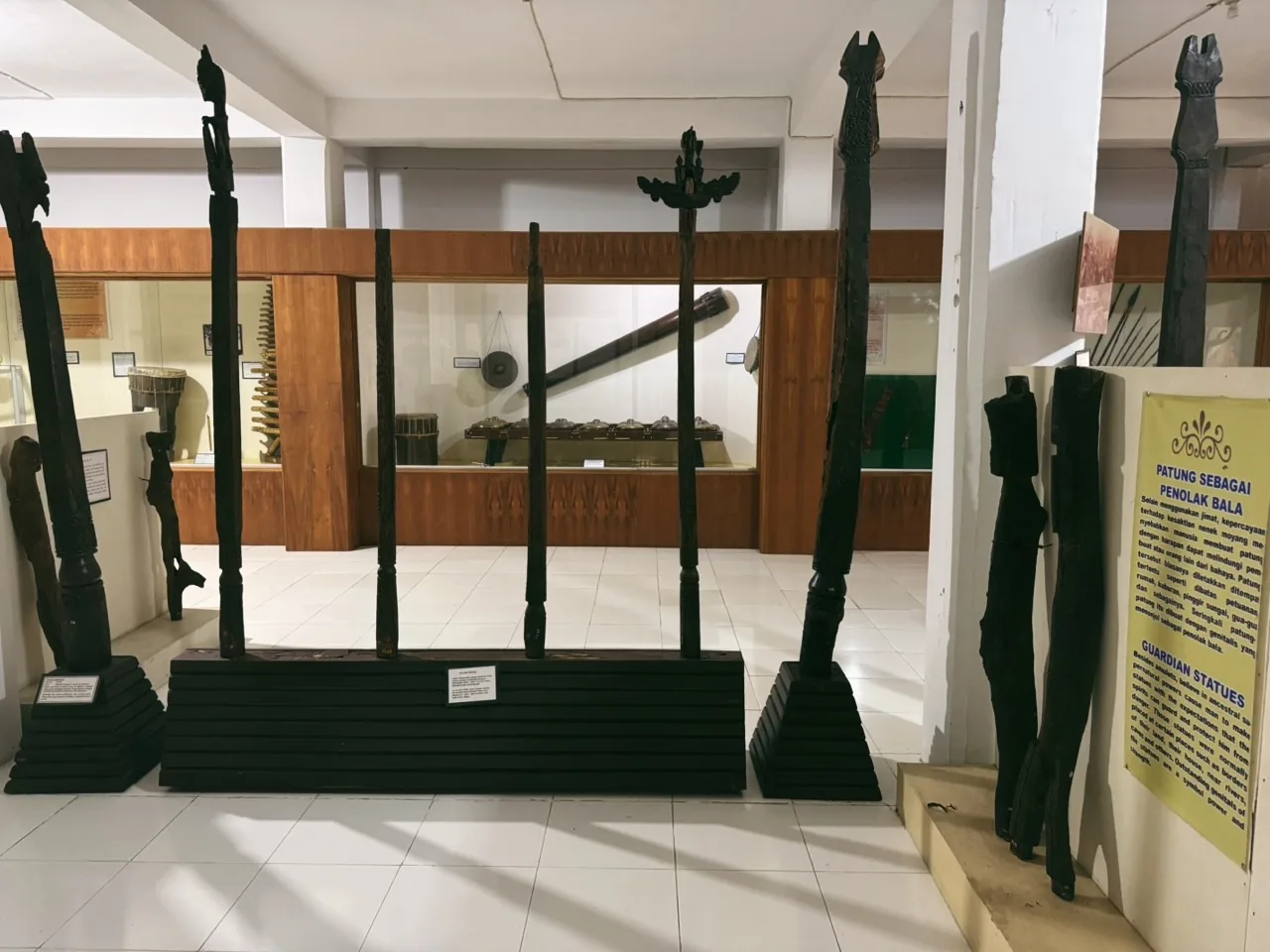
The permanent display of Museum Siwa Lima can be seen in 3 separate buildings: the maritime collection in the Ruang Lautan is presented in large display cases and dioramas. Shown here are mainly boats and materials from the sea such as shells and coral. In the Ruang Sejarah (history room), ethnographica are exhibited along with many black-and-white photographs from around 1910-1915 showing the exhibited objects in their natural habitat or with their users. Many photographs come from the collection of Father Drabbe, who stayed on the islands of Tanimbar and Kei in the period 1910-1915 and took many photographs there of the inhabitants and their culture. In the third room, the Ruang Busana, bridal clothing from the Moluccas and other parts of Indonesia is shown, ranging from Sumatra to Papua.
-
-
-
Storage conditions
Museum Siwa Lima lies in Ambon, close to the equator. The tropical climate is not conducive to storing a museum collection responsibly. In the (Western) museum world a number of fixed constant values are used for temperature, relative humidity, light and dust. The ideal storage temperature is 18-20 **°**C, 50-55% relative humidity, no light or subdued light, and everything must be free of dust. None of this is the case in either the depots or the permanent display of Museum Siwa Lima. Measurements in the depots and the display showed a temperature of 28-30 **°**C and a relative humidity of around 90%. There was also a great deal of dust in both the depots and the permanent display. Only the light was reasonably subdued in both display and depots, but that was more because there are not many light fittings.
Workshop
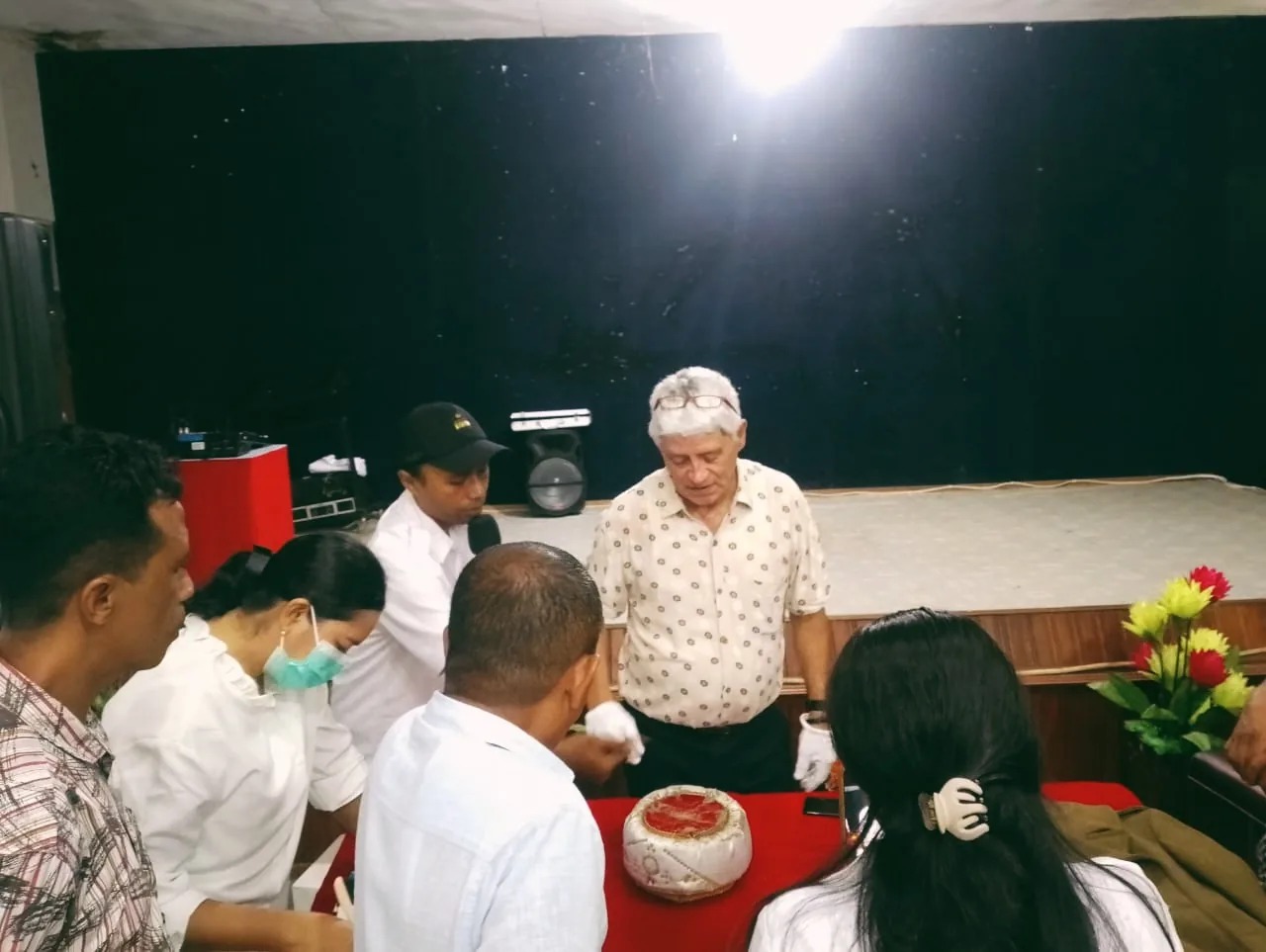
For staff, employees, students and officials of the Ministry of Education and Culture I also gave a short workshop on how to handle the collection responsibly in local tropical conditions, taking available budget and capacity into account. Four objects from the Siwa Lima collection served as examples, all damaged by the conditions in the depot: a woollen KNIL coat entirely matted by the damp, a Muslim cap covered in mould, a salawaku or shield being eaten away from within by woodworm, and one of the highlights, volume 3 of François Valentijn's books on Ambon (1726), attacked by micro-organisms.
Recommendations
One of the most important recommendations was to build removing dust and cleaning the depot and the permanent display structurally into the work schedule. Dust and humidity are a breeding ground for mould. It requires discipline and commitment from all staff. Treating mould, woodworm and micro-organisms is reasonably simple and cheap to carry out. Put the affected objects in plastic bags that can be vacuum-sealed. Leave the bags for at least 30 days. The living organisms will then have died for lack of oxygen. The objects then only need to be cleaned with a soft brush. The plastic bags can be bought at IKEA in Jakarta!
With many thanks to
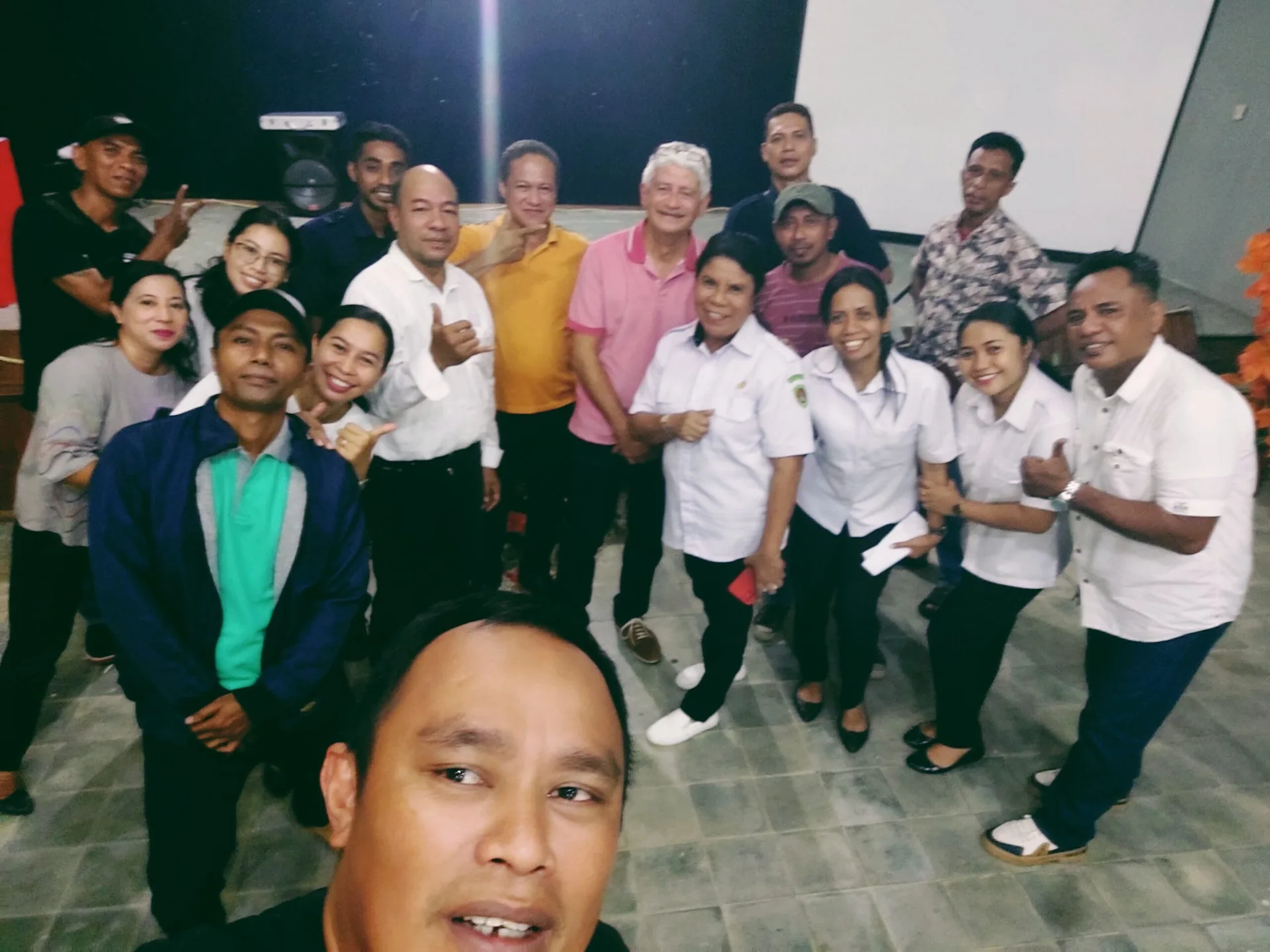
Ibu Insun Sangadji, Pak Darwin Jacob Lawalata, Ibu Mevi Mailoa, Pak Andre Saleky, Pak Ronaldo Matitaputty, Ibu Christy Toisuta and Pak Renny Ubleuw.
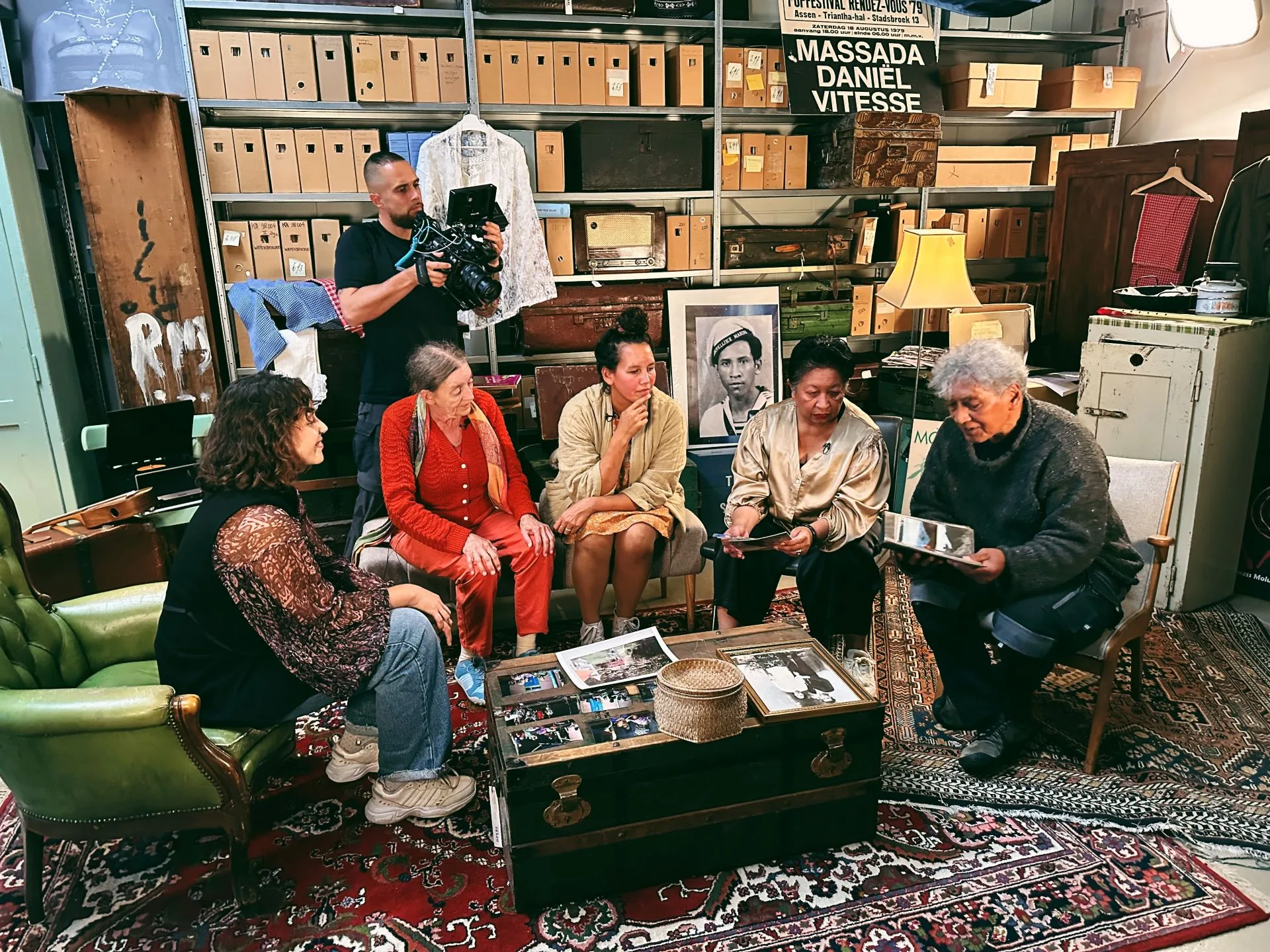
Come to our 'Unboxing' live recording and Launch Party!
Museum Maluku warmly invites you to two public events that bring to life the stories behind diverse Moluccan intangible heritage.