#
Marinjo baru: a new chapter for a familiar messenger
After the death of Robert Hallatu, who owned the Moluccan magazine Marinjo for almost thirty years, Fabian Sapthu and Obeth Pattipeilohy have taken over the baton from him. This week the very first edition of the Marinjo baru appears. Literally: the new messenger. With this renewed edition the magazine gets a fresh start, with the same mission as before: to keep telling Moluccan stories and connecting people.
From information bulletin to independent magazine
"The first issue of Marinjo appeared in 1978 and was published by the Inspraakorgaan Welzijn Molukkers (IWM)," Fabian says. "The 1970s were turbulent times. Actions such as the occupation of the consulate in Amsterdam and the train hijackings at Wijster and De Punt had a great impact. The government realised that it really had no good view of what was going on in the Moluccan communities. There had to be better communication."
That became Marinjo. When the government turned off the tap in the 1990s and the IWM ceased to exist, the end of Marinjo seemed to be in sight as well. But Robert Hallatu, who was already involved with the magazine, took on the responsibility of continuing it independently. "He turned a government-funded information bulletin into an independent magazine," Fabian says. "It became much more a human interest magazine about people, culture and identity."
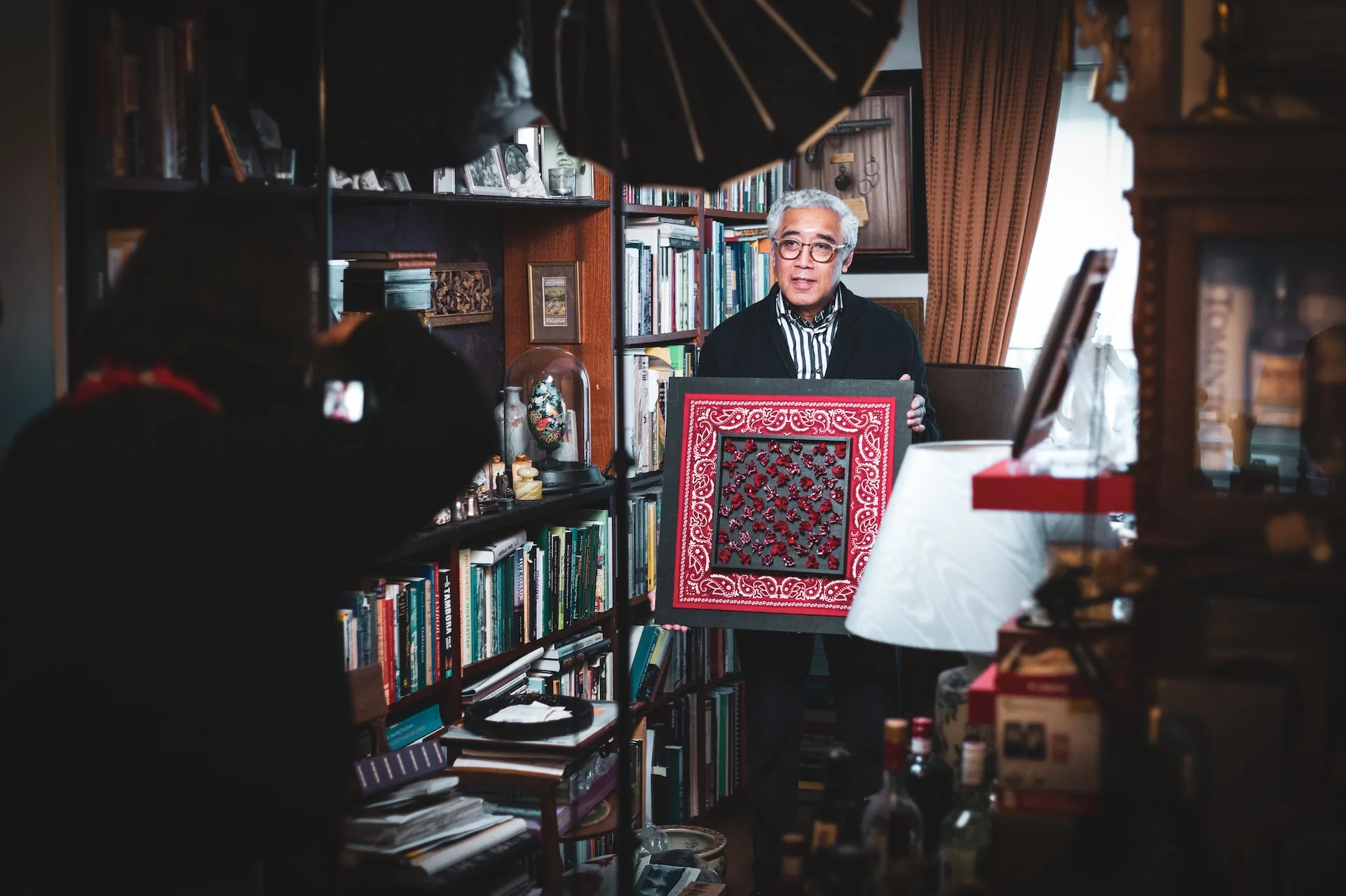
Photo: Christiana Kene
Robert Hallatu's legacy
The bond between Fabian and Marinjo goes back a long way. "In the mid-1990s I was already working with Robert," he says. "I was at the graphic design school in Amsterdam then and helped with the design and content of the magazine. I worked for Marinjo for three years and at a certain point I was on the editorial team as well." After that their paths diverged, but the connection remained.
"A few years ago we got in touch again," Fabian continues. "Robert was already ill by then. When it turned out he was terminally ill, he asked me whether I would take over Marinjo. That request hit hard. I called Obeth straight away, and together we started thinking it over calmly."
Obeth: "We talked with many other makers and felt that among our generation – and younger – there is a need for a platform that connects us, where we can put our stories. We thought: Marinjo is the perfect medium for that."
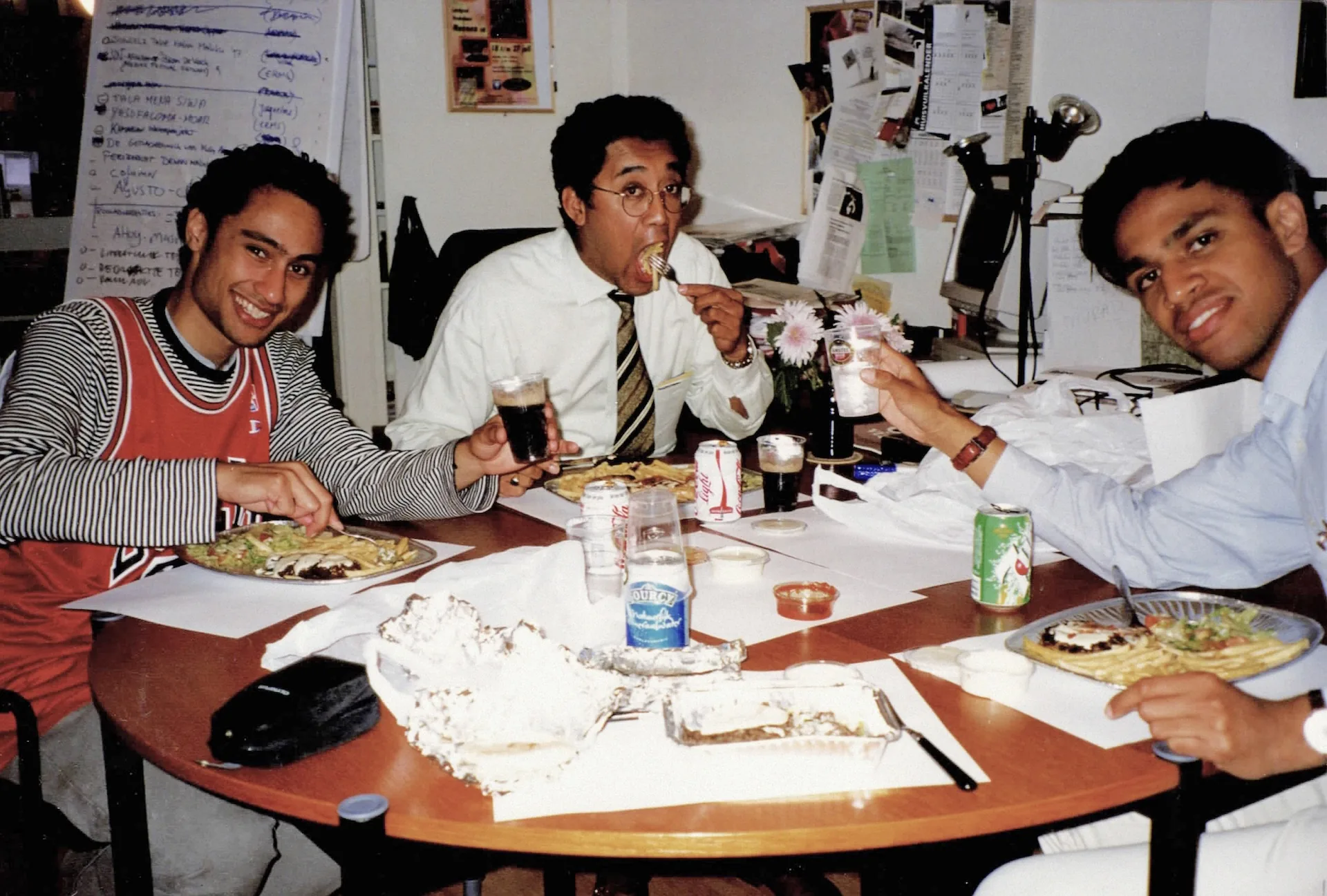
Photo: Netty Regoort
Orientation as a guide
The new Marinjo baru takes a contemporary form, but stays faithful to the original mission: sharing stories that give direction. "Our core is orientation," Fabian explains. "Our forebears orientated themselves by the stars, among other things; we do it through stories. Stories are the transmission of knowledge. They help you understand who you are and where you come from."
That symbolism can be seen on the cover of the first issue, with a starry sky photographed in the Moluccas by Jesaja Hizkia Hutubessy. Obeth: "That image stands for what we want to be with Marinjo: a guide, a place where Moluccan stories come together. We want to make room for diversity in identity and culture, and inspire people to keep exploring. Identity and culture are always in motion."
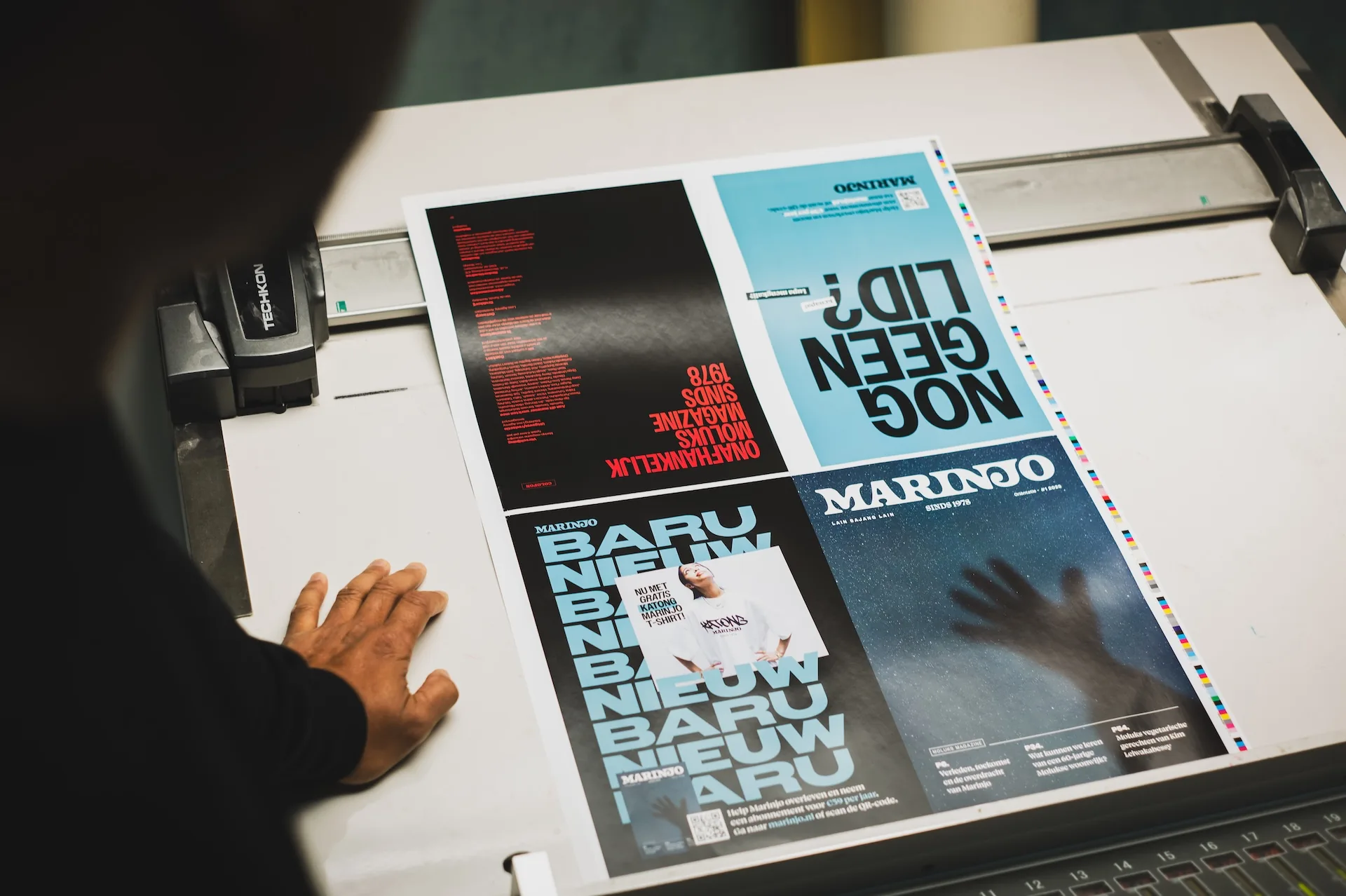
Photo: Christiana Kene
A platform of and for the community
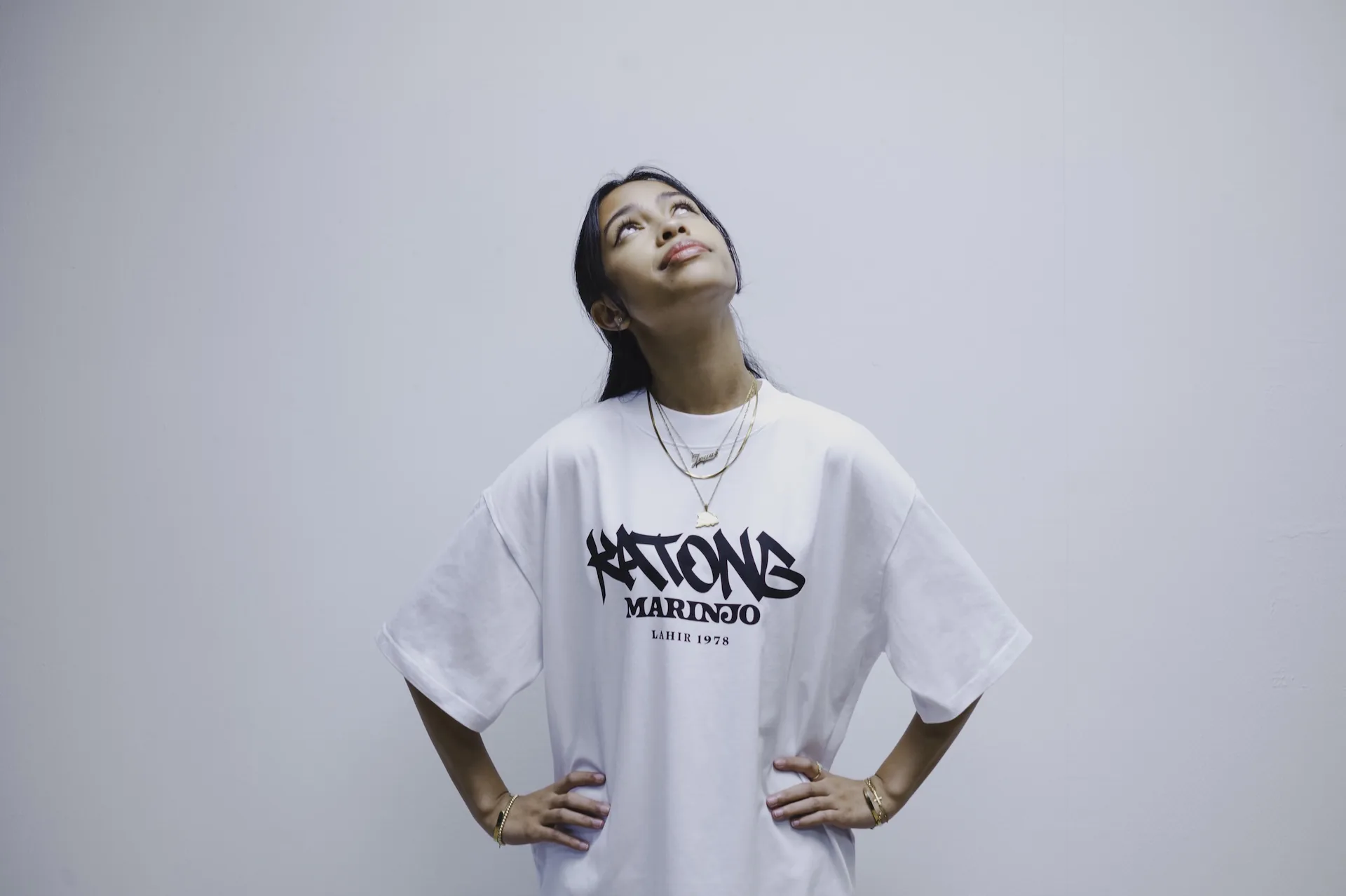
Marinjo baru is made by a growing group of almost forty writers, photographers and illustrators. "We want it to become a community project," Fabian says. "Katong Marinjo. Together we are Marinjo. Obeth and I are only the guardians of this transitional phase. Marinjo has to be carried by the community."
Readers of the first issue can count on a rich palette of stories and images: from personal columns and photography to regular sections such as the Gedachtewolk and culture pages. New additions include a language section about Moluccan sayings and a section about identity, cooking and photography in the Moluccas. "It is a thicker issue," Obeth says proudly. "You can tell that many makers are itching to share their stories."
Alongside the magazine, the makers want to expand the platform further with digital content and new projects. "We are working on a three-part podcast series, Wemale's Fluistering, about an ancestral language on Seram that risks disappearing," Fabian says.
The first edition of Marinjo baru appears this week. With it a familiar messenger is given a new life.
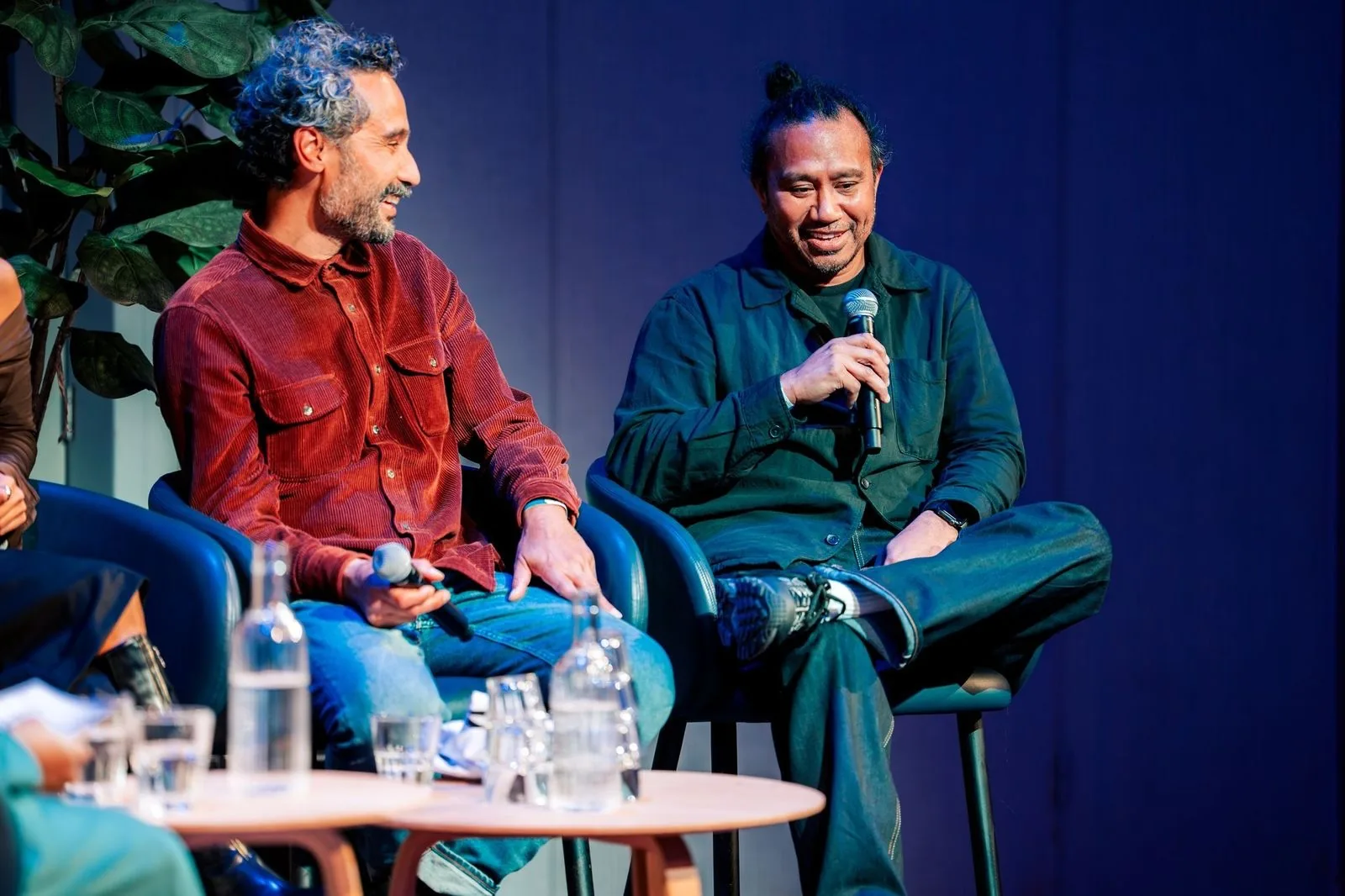
Photo: Remy Sapuletej x Moluks in 2051 x Felix Meritis
Become a member of Marinjo baru
Would you like to support and receive Marinjo baru too? Then become a subscriber for €59 a year. You receive six editions a year and the exclusive Katong Marinjo T-shirt. You can subscribe via www.marinjo.nl.