Searching for barracks together
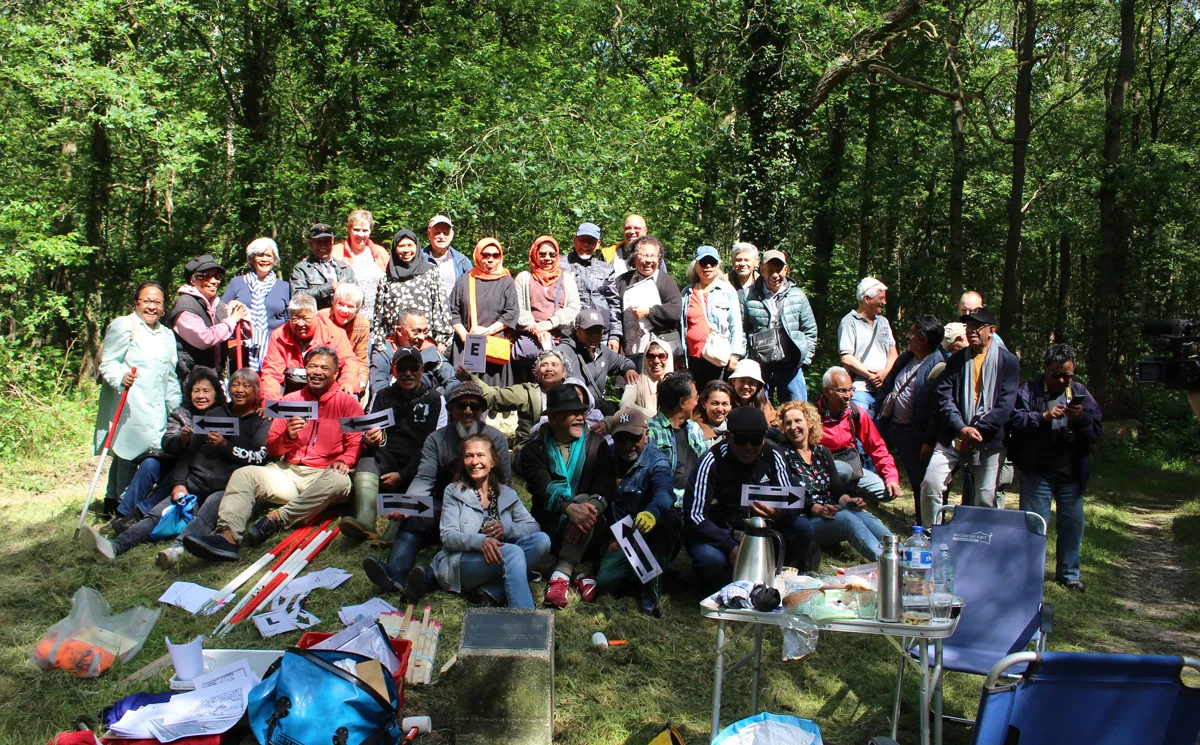
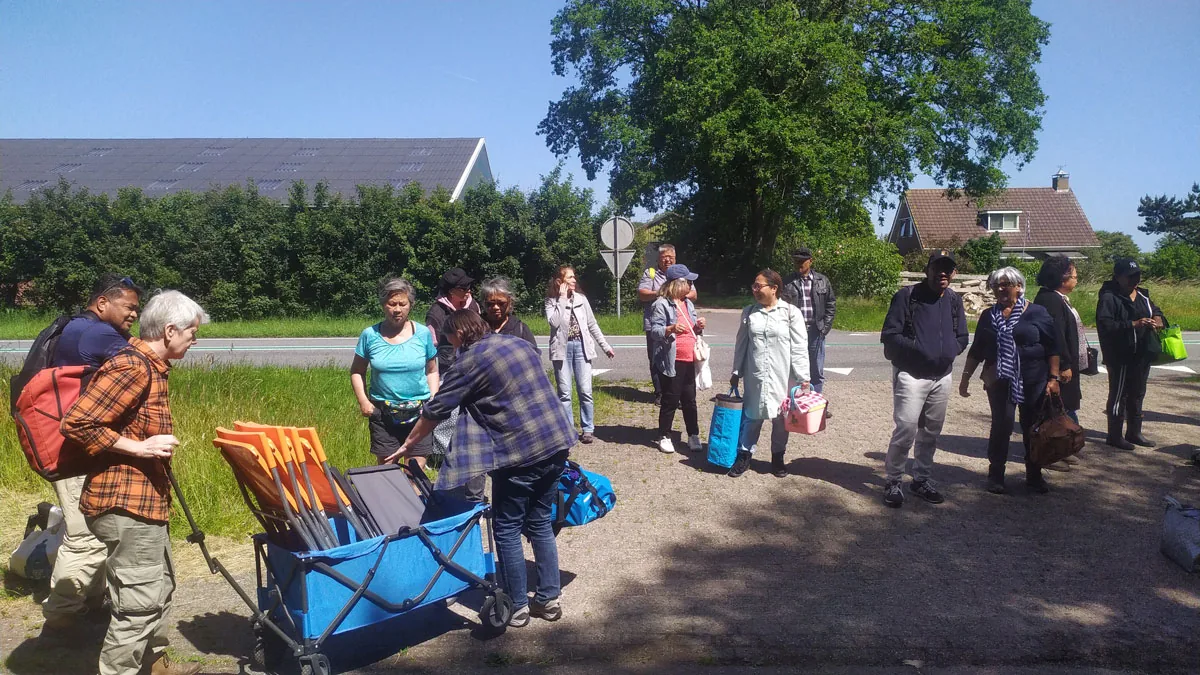
On Saturday 11 June a bus full of former residents of the Wyldemerck camp travelled from Waalwijk, via Ridderkerk, to Friesland. They were heading for the spot in the woods where the camp stood in the 1950s and 1960s, 4 km west of the village of Balk. The aim of the day was a field inspection. Curator Huib Akihary came along and gives a short report.
MuMa heads into the woods with former residents
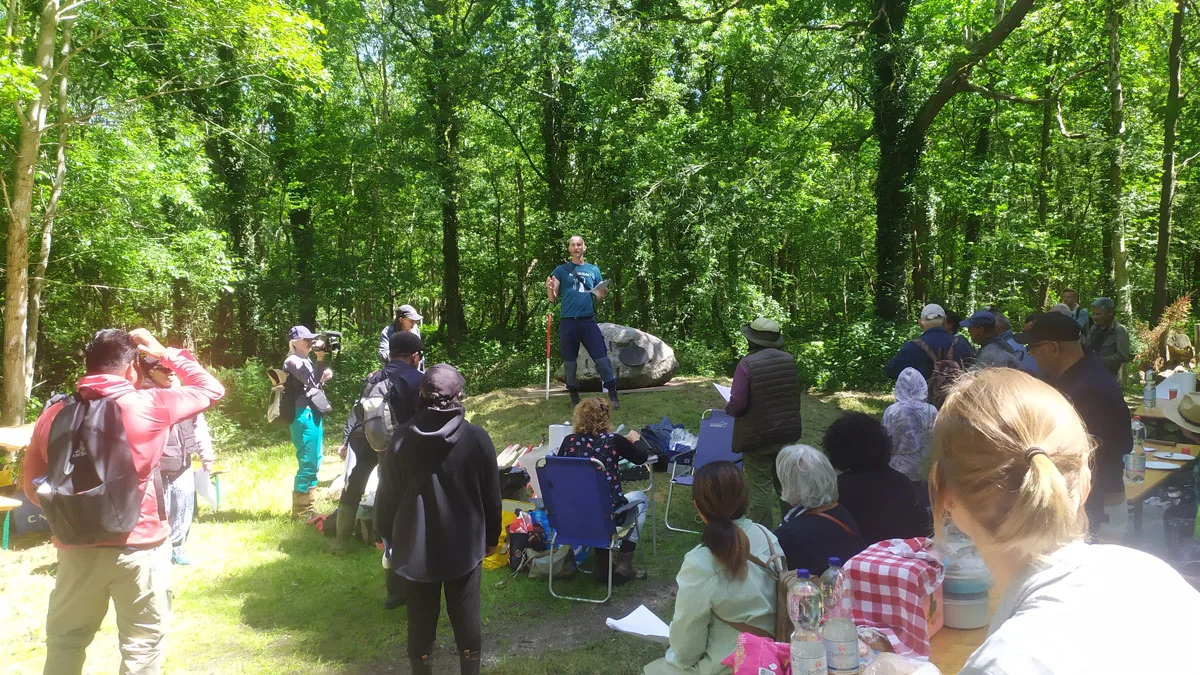
Saturday 11 June. I am sitting in a bus with former residents of the Wyldemerck camp. Very early this morning the bus left Waalwijk and, via Ridderkerk, we are now driving past the Frisian village of Balk on our way to the place where the Islamic camp Wyldemerck once stood. “Oh look, there’s the Luts! We often went there. And that’s where farmer Poepjes lived,” people call out. There is an excited mood on the bus. It feels like a school trip, but today we really are going out to do research. A genuine field inspection.
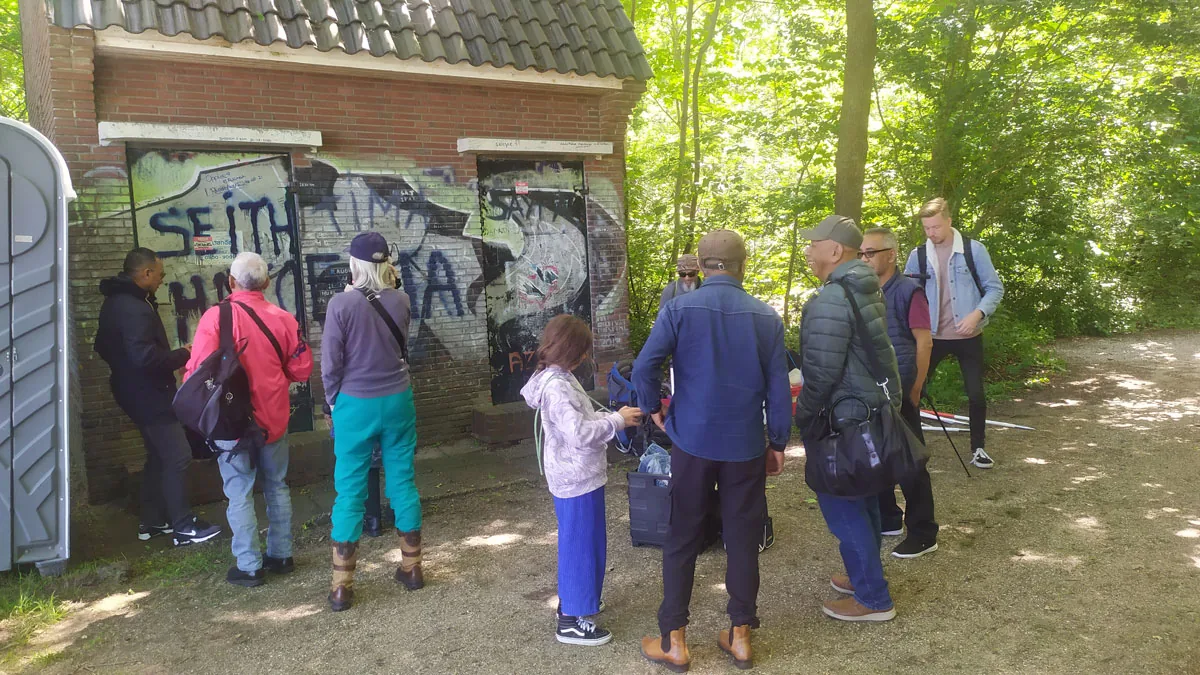
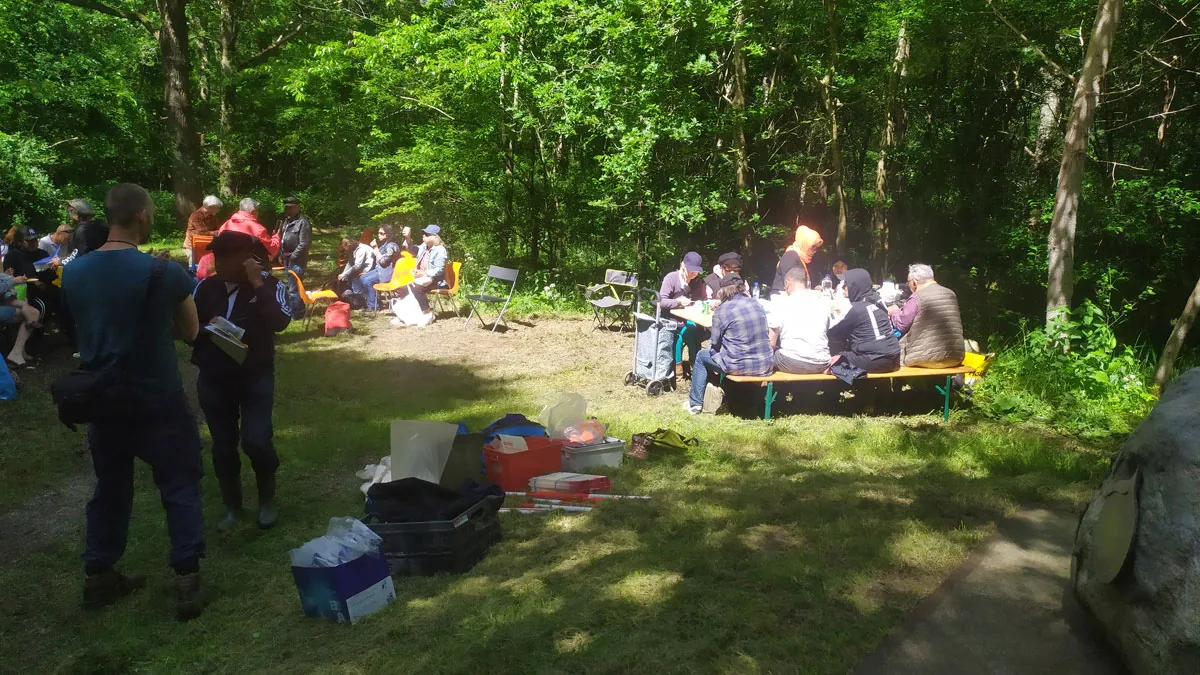
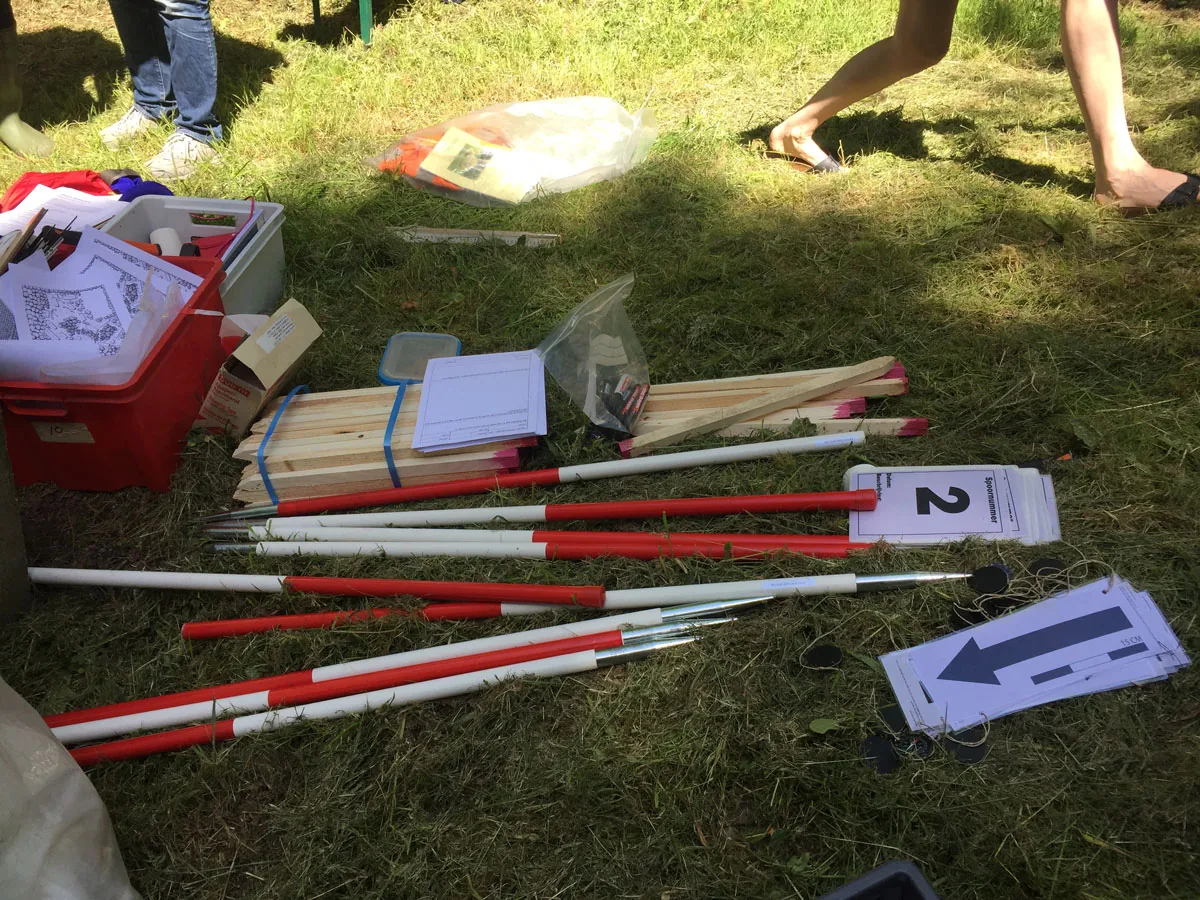
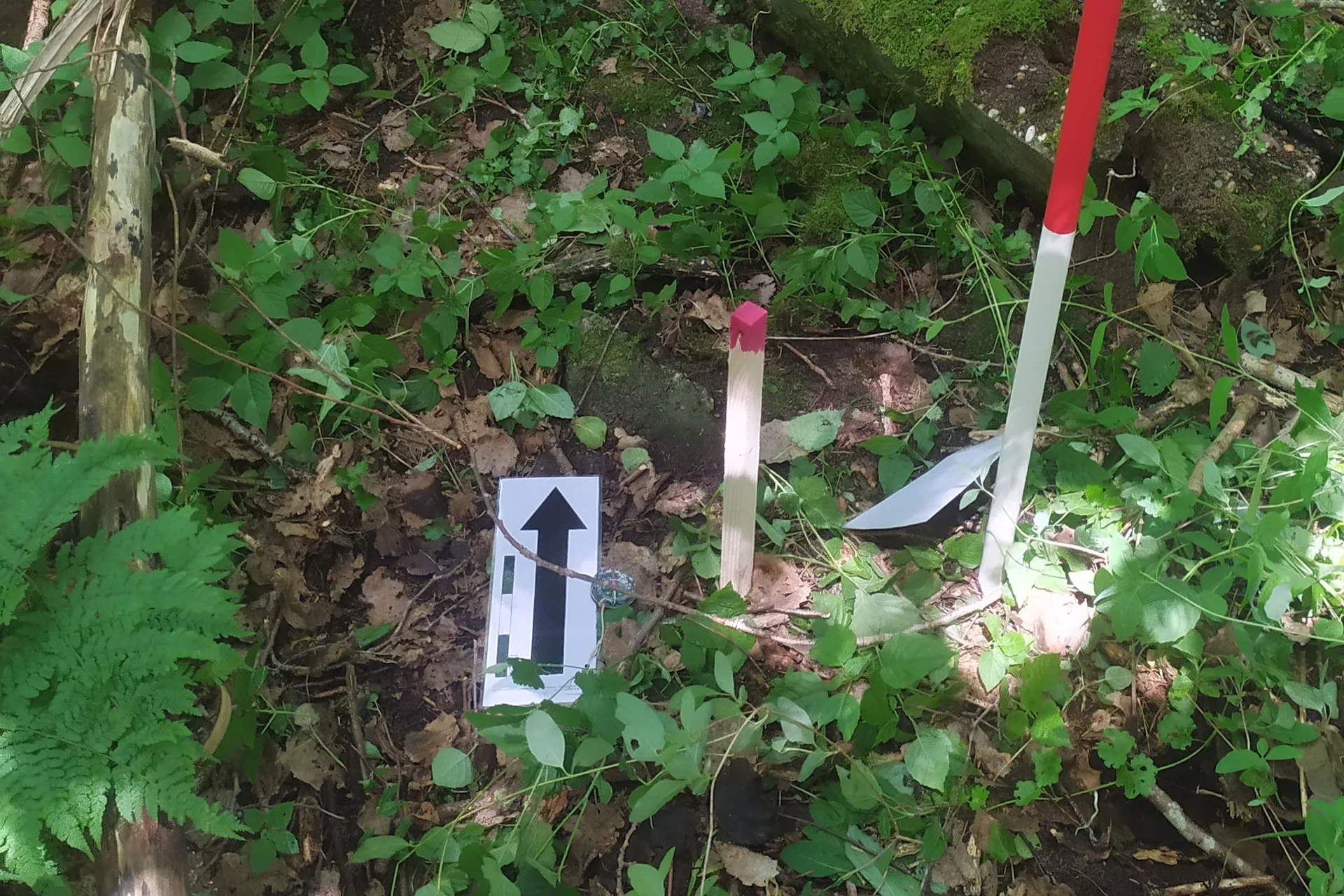
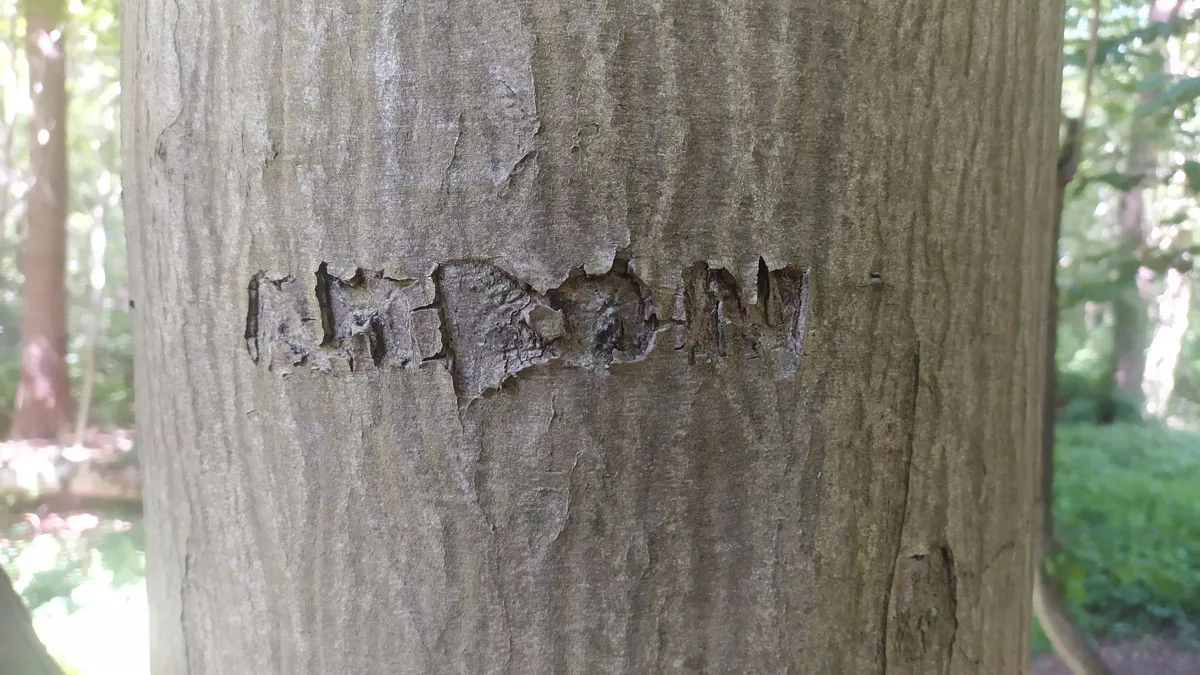
That field inspection means former residents going into the Wyldemerck woods. Equipped with ranging poles, marker pegs, trace cards, arrow maps and a mobile phone, they go looking for traces of the camp. Looking for their own residential barrack, the playground, the mosque and minaret, or that tree with a name carved into it.
-
-
-
-
-
-
-
-
-
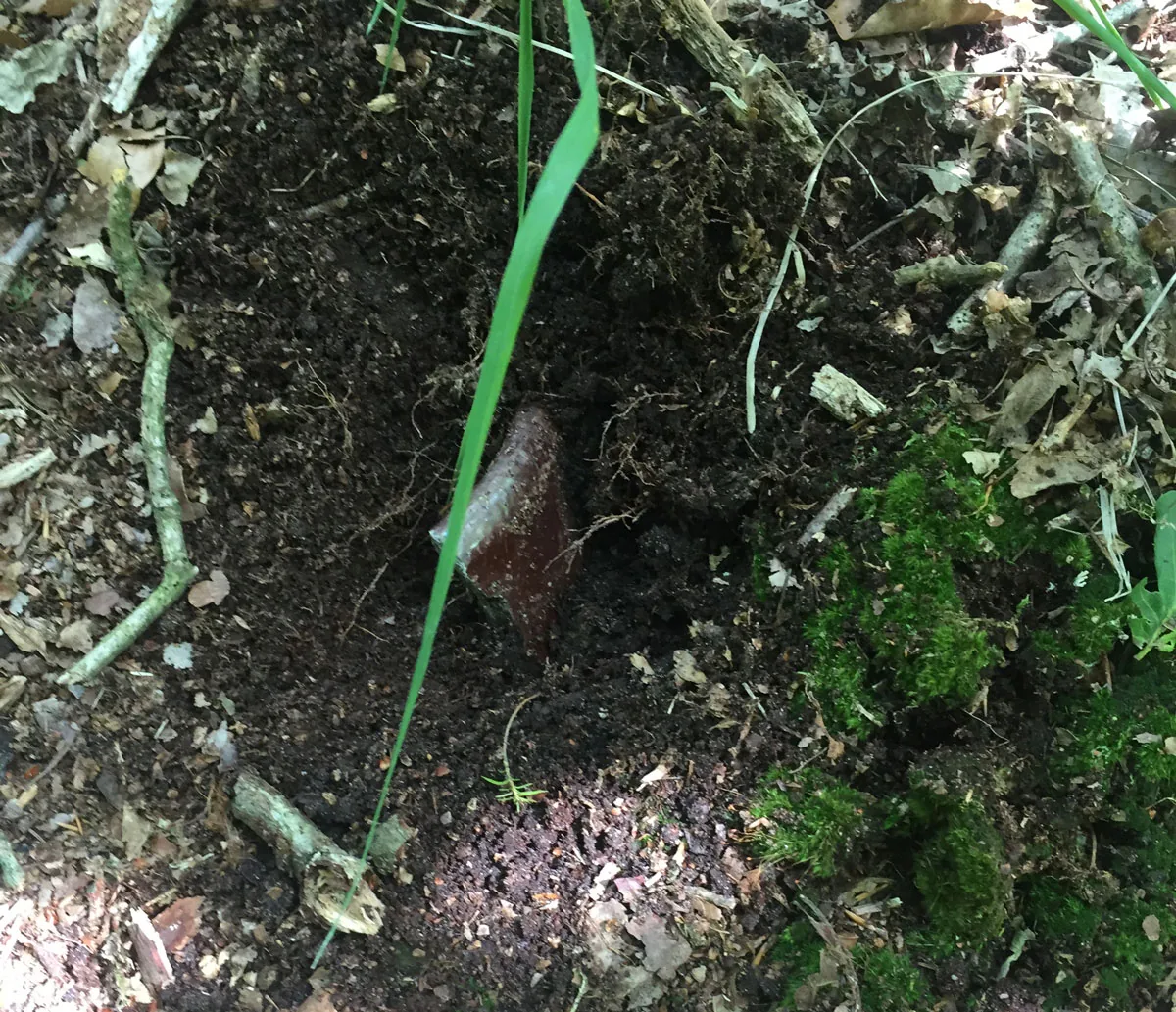
The results and findings of this field inspection at the Wyldemerck camp were discussed with the participants a week later at Museum Sophiahof. Finding the exact location of the mosque again was felt to be very special and valuable, as was standing at the site of their own residential barrack for the first time after so many years. Strikingly, many participants found the camp small. In their memories they had thought it would be much bigger.
Staatsbosbeheer’s question
The Wyldemerck woods are owned by Staatsbosbeheer, the Dutch forestry service. For years it has wanted to do more with the history of the site. It is heritage — Moluccan heritage, if you like, because of the many years of Moluccan habitation. What is that heritage? How do we make it visible? What are we going to do with it? The answer has to come from the Moluccan community.
Earlier this year this led to the start of the archaeology project ‘Wyldemerck, searching together for barracks in the woods’. What makes it special is that in this project research into Wyldemerck is carried out together with former residents and their families; into the traces, the stories and the meaning of this former Islamic camp in the municipality of De Fryske Marren. Museum Maluku is a partner in the project and acts as host for the gatherings at Museum Sophiahof.
The museum is delighted with this archaeology project. It not only encourages people to engage with their own history and to give it shape and substance, but former residents are also actively involved in the project, take part physically and determine the content themselves. The aim is for them to formulate their own answer to Staatsbosbeheer’s question.
On Saturday 2 July the next gathering follows, explaining how to research digital, written and printed sources. To be continued…