Collection
Share what you know
Our collection contains thousands of objects, photographs and documents. But not every story is complete. Do you recognise someone, know more about a place or object, or would you like to share a story?
Your knowledge can help complete the archive further.
Not all knowledge is in the archive
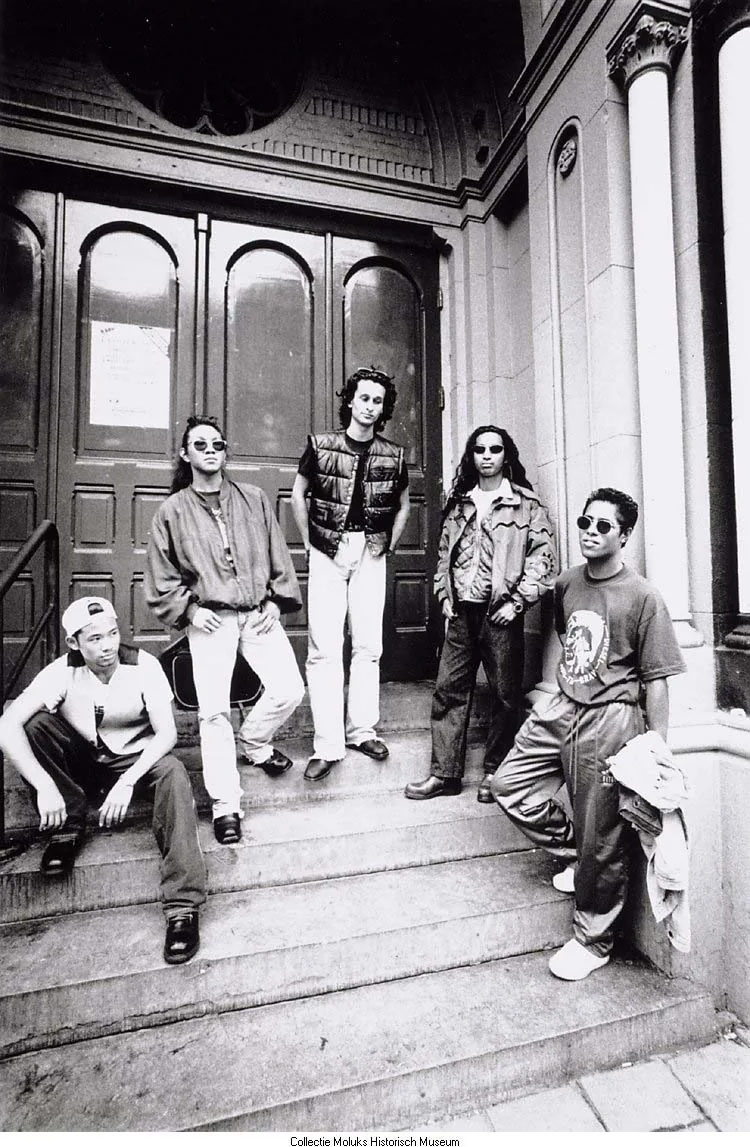
In Their Own Words began with gatherings across the country. At crowdsourcing events, people shared memories, stories and knowledge prompted by photographs and other material from the collection. That way of looking and adding together later found a place in the exhibition In Their Own Words as well. Because what a museum has recorded is never the whole story. A photograph may have a date and a collection number, while someone else knows who is in it, where it was taken or what was happening at that moment.
Much of that knowledge lives in families and communities, in personal archives and in memories passed from one generation to the next. In Their Own Words offers room to share that knowledge and so add new context to the heritage.
“We are a community museum, we do it together”
What can you add?
From a memory to a family story, from personal experience to knowledge that has been passed on. Your perspective adds something to the story.
Recognition
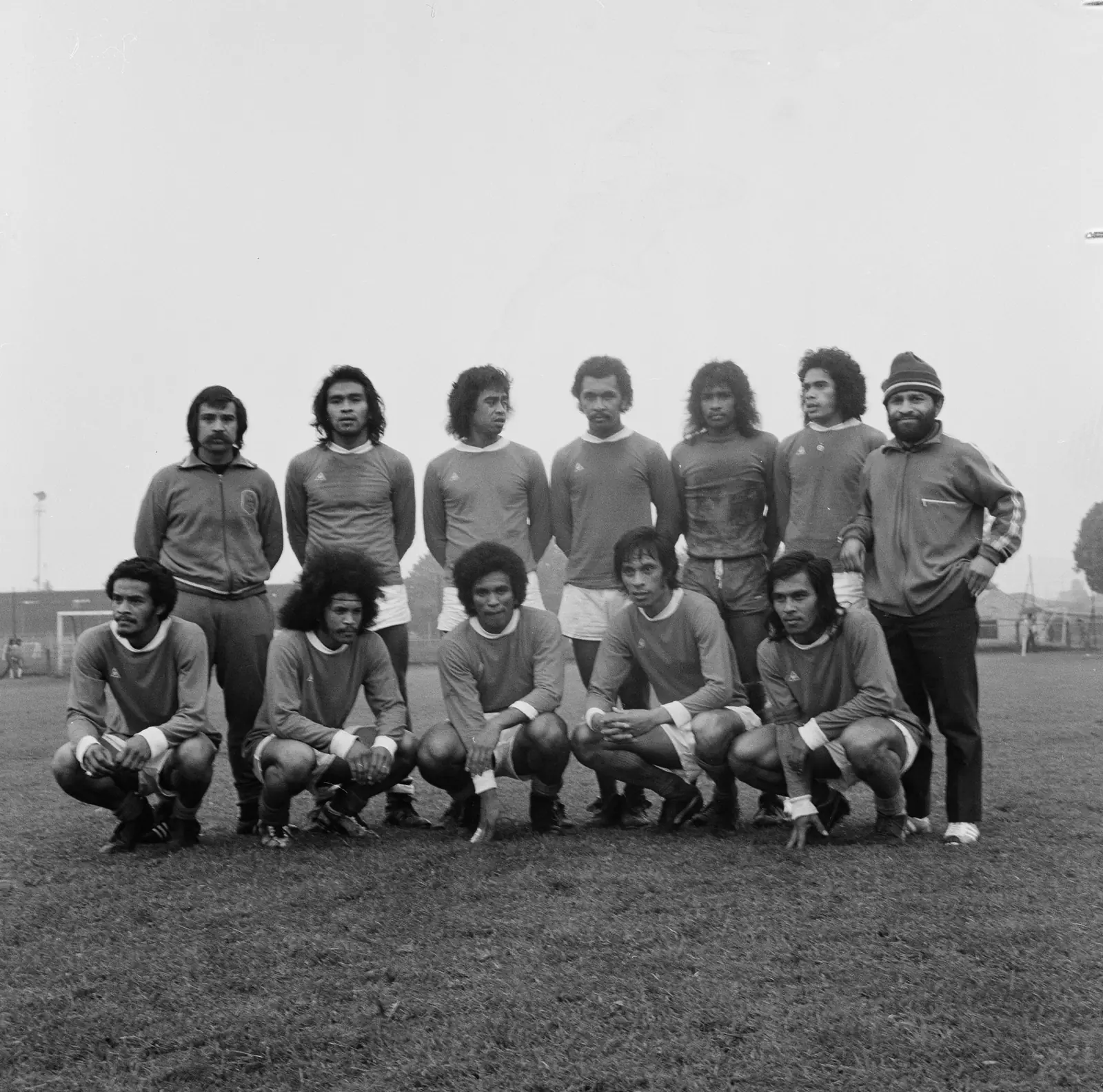
Do you recognise someone?
Names turn an unknown face back into a person. Do you know who is in a photograph, or how someone was related to the others pictured? That is often the knowledge that is hardest to find.
-
Do you know where this is?
A place name connects a photograph to a residential camp, a neighbourhood or a village.
-
Do you know how an object was used?
By whom, for what, on what occasion. Everyday use is documentation too.
-
Does it bring back a memory?
A personal experience with an object, photograph or document counts as context.
-
Do you know the bigger story?
The event, custom or tradition that a collection item belongs to.
What we are looking for, among other things
- Family stories accounts passed down through generations, for example arrival in the Netherlands in 1951
- Stories about individuals for example the life of a KNIL soldier
- Object stories origin and meaning, for example of a salawaku or kain
- Community history diaspora in Amsterdam, The Hague, Rotterdam or Utrecht
- Oral tradition myths and legends of the islands
- Events arrival at a residential camp, a protest, a neighbourhood festival or a wedding
- Historic places the Vught residential camp, Ambon, the Lloydkade
- Language Bahasa Melayu Ambon, sayings, lagu² translated into Dutch
- Traditions and customs for example pela alliances
- Music and dance for example cakalele
Explore the collection
The image database alone contains more than fifteen thousand records that are searchable online. From a collection item's record, you can let us know what you know about it.
How it works
-
Sign in
Create an account or sign in. This lets you save your story, continue writing later and find what you added before.
-
Tell your story
Record what you want to share, preserve or pass on. Add your story step by step and include the information that matters to you.
-
Museum Maluku reviews it
After you submit your contribution, Museum Maluku reviews it before it is published in In Eigen Woorden.
-
View your story
View your story, edit it or share it with others.
Click a step for more about how it works.

A real collection item
From record to a more complete story
What we know
- Title
- Family and friends of the Pasanea family
- Date
- 1963
- Sub-collection
- Pasanea-Platenkamp Collection
- Number
- FPP 0237
From the description: “Family and friends at the Pasanea family home. On the left sits John Tatipikalawan and on the right Boetje Lewerissa. The two young boys are the grandchildren of the Lewerissa family.”
What is still unknown
The two adults are named in the catalogue. The two boys are not; they are only described as the grandchildren of the Lewerissa family. Their names were never recorded.
What you could add
- The names of the boys
- How they are related to the others in the photograph
- Where the house stood
- On what occasion the photograph was taken
Questions
Frequently asked questions
Do I need an account?
Yes. You create an account once. With it you can save your story, carry on writing later and find what you added earlier under Your contributions. You can also delete your account yourself.
Do I need to know exactly what is in a photograph?
No. Even part of the story helps. If you're not sure about something, just note that.
Is my contribution automatically published?
No. Every contribution is first reviewed by a staff member. Not everything is incorporated, and the museum remains responsible for the documentation.
Can Museum Maluku contact me?
Yes. Your account holds your name and contact details, so we can reach you if a single follow-up question helps us place your contribution properly. You can see and change what we hold under Your registration in your profile.
Can I send in a photograph or document?
Yes. Under the Attachments tab you can link photographs, videos or documents to your story. For the header image, use only material you created yourself.
Will my name be mentioned?
You decide that as you write: under About yourself you say how you would like to be named alongside your story. The conditions for publication are shown with that field.
How do you handle my personal data?
That is described in our privacy policy.