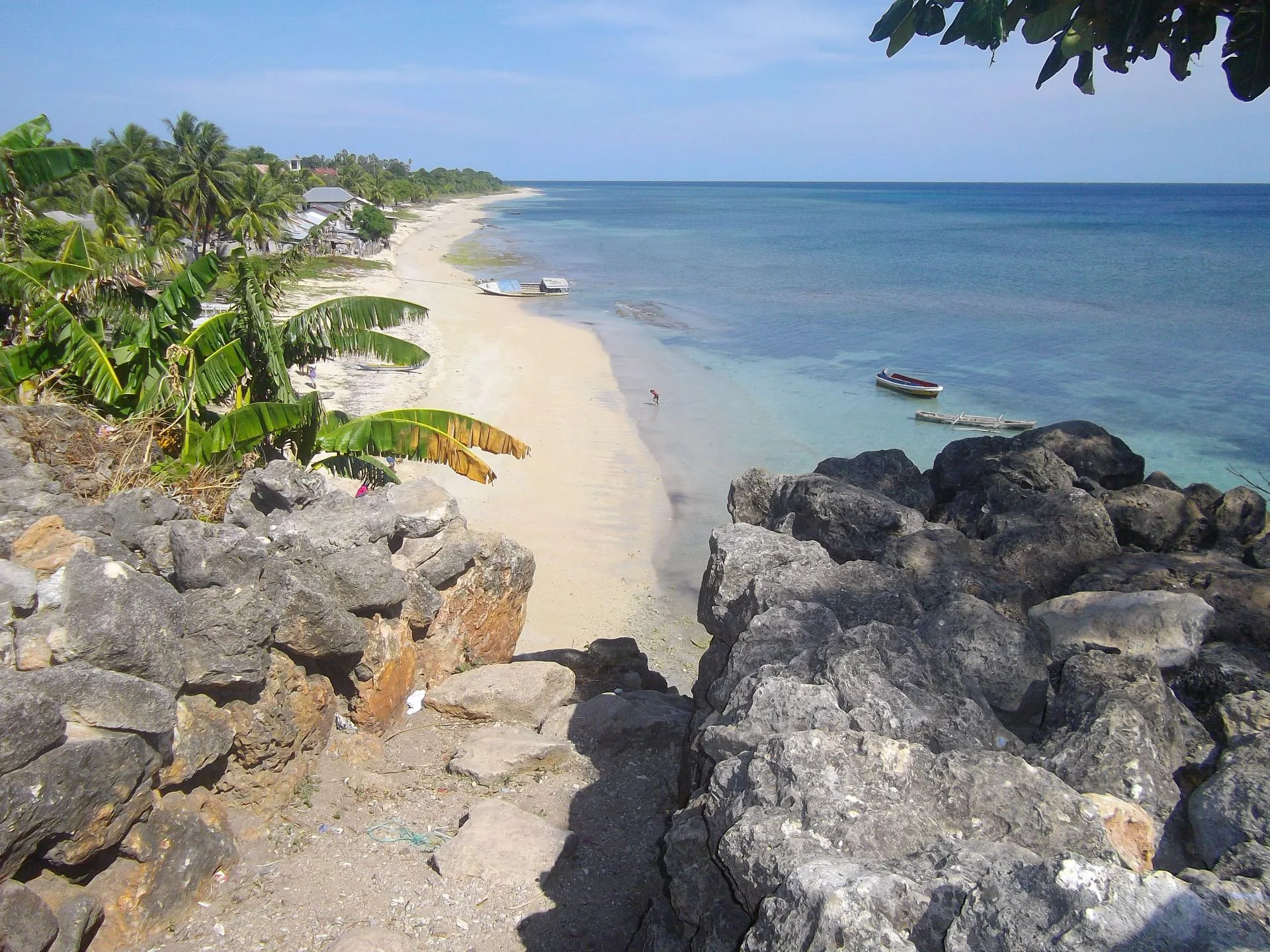
**GREETINGS FROM LEIDEN: THE FORGOTTEN LANGUAGE OF LETI
Aone van Engelenhoven, lecturer in South-East Asian Linguistics at Leiden University, is an expert on Letinese: a unique language from Leti, an island in the South-West Moluccas. His fascination with this remarkable and complex language began with a personal voyage of discovery, fed by curiosity and the wish to understand his own family history.
A search for his own roots "My mother had always told me that our family comes from Ambon," Aone says. "I thought that for a very long time. When I went to Indonesia for the first time in 1980, it very quickly turned out that that story was not right at all." During the trip Aone discovered that his family's roots actually lie on Leti, a small island in the South-West Moluccas. His mother, like many Moluccans at the time, did not speak about their true origins for social and political reasons. "That was really a survival tactic, because you are better off adapting to the majority and not standing out." But Aone's curiosity was aroused during the trip. "That is when I decided I wanted to know everything. I went to study linguistics, which eventually ended in a dissertation on Letinese. I have really been stuck with it ever since."
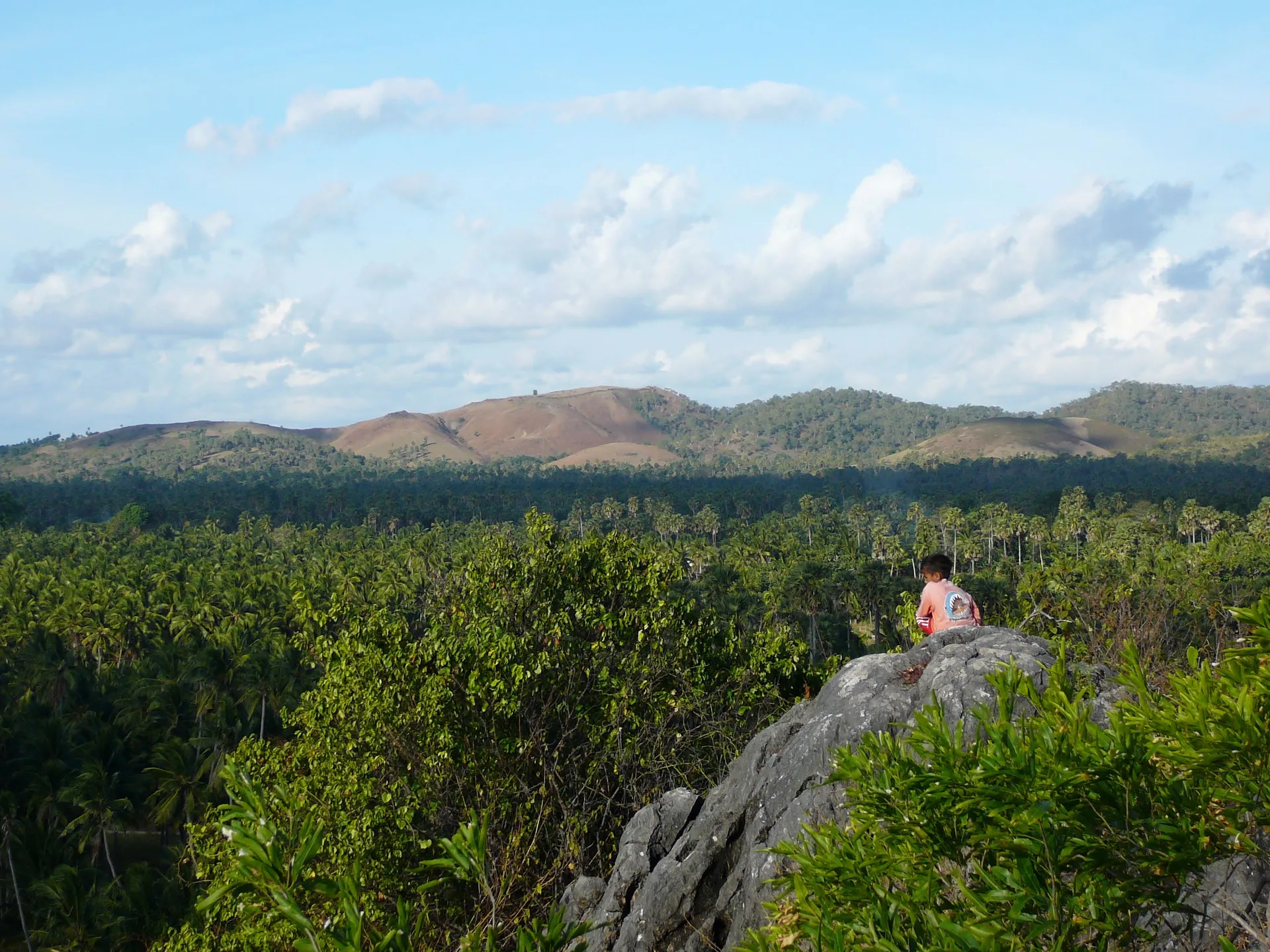
Grandparents as guides "When I was young I sometimes heard my grandparents say things to each other that I did not understand," Aone remembers. "When I asked my mother what they were saying to each other, my mother would say: 'Oh, that's the old folks. They just speak old Malay.' During my trip I discovered that was not right." His grandmother then played a crucial role in his mastering the language. "When I returned to the Netherlands in 1980 and explained that I wanted to know everything, my grandmother decided that from that moment on she would speak only Letinese to me. That was not easy, but it did mean I already spoke the language before I started writing the dissertation in the 1990s."
A unique language Letinese is distinguished by its unique grammatical structures. For instance, instead of 'white cat', as we say in English, in Letinese this becomes 'whit cate'. "You have to swap the 't' of white and the 'c' of cat," Aone explains. Grammatical peculiarities like these occur almost nowhere else in the world. That makes Letinese a fascinating object of study, but also a challenge for students. "It gives students a headache, so it must be something special," he says, laughing.
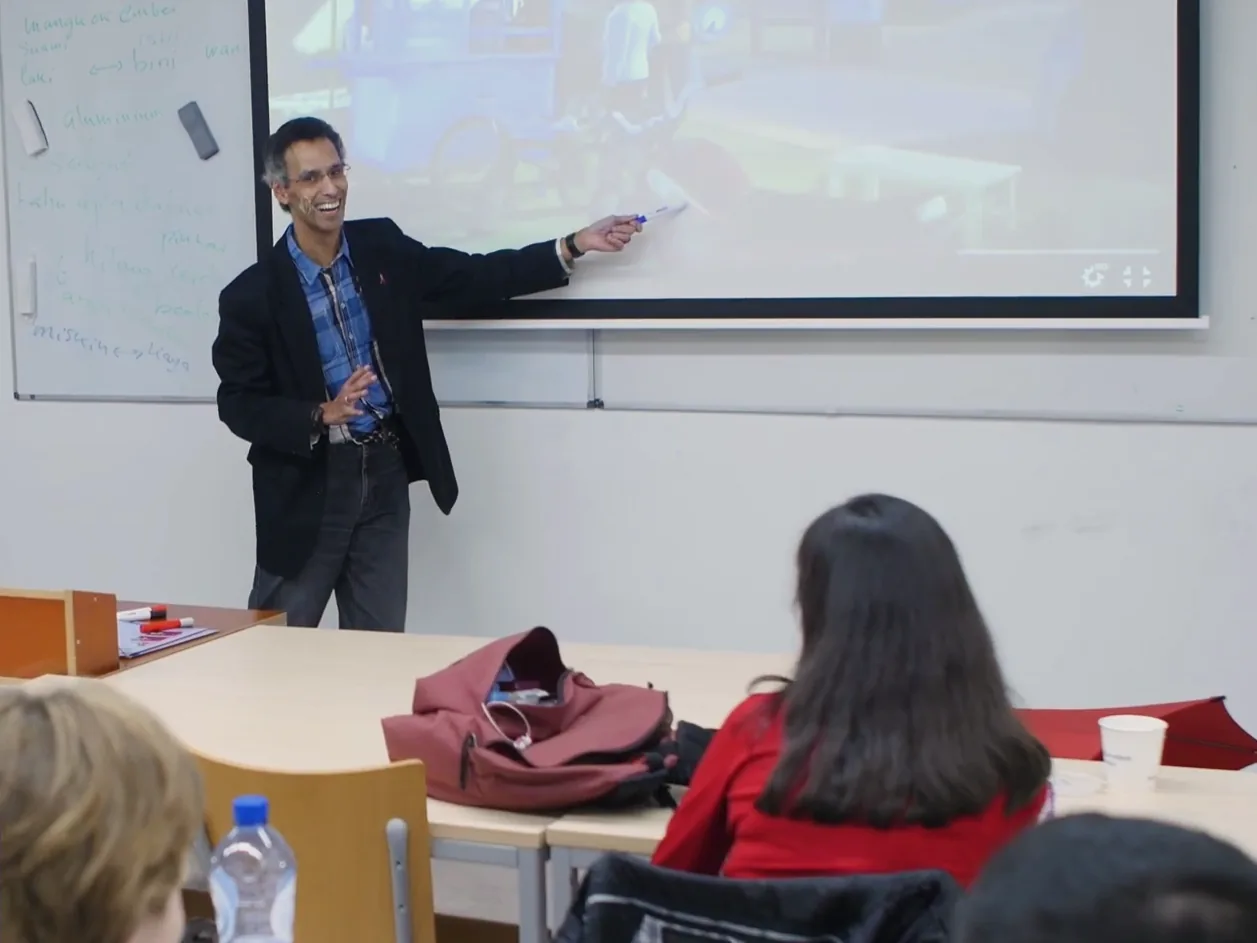
Confronted with complexity In his lectures, Aone confronts his students with the complexity of Letinese to help them deepen their understanding of linguistics. "The aim is for them to understand better what linguistics involves," he explains. Students have to be able to analyse and explain the unique features of Letinese, such as the swapping of sounds within words. This challenge forces them to apply the theoretical knowledge they learned earlier in their studies in a practical and complex context.
The final chapter? Sadly, Letinese is a dying language. "What you now see happening on Leti resembles what is happening to Malay in the Netherlands," Aone says. "The third generation of Moluccans in the Netherlands can still understand it, but already speaks it less. The generations after that often no longer understand it at all. That is why I think Jamie Schaduw's project Totaal Moluks is so good, because it catches some of this. But yes, Letinese is simply disappearing. Officially we seem to have fewer than 7,000 Letinese speakers left on the island itself. Many young people on Leti no longer speak it fluently and often understand it only partly. That is how it is."