#
Greetings from the 1970s: young Moluccans off on adventure with the Tienertoer
The summer holidays have come to an end in many parts of the country, but with this 'Greetings from' we linger in holiday mood a little longer. In this guest column Servaas Maturbongs looks back on how young Moluccans spent their summer holidays in the 1970s with a remarkable new product from Dutch Railways: the Tienertoer. For a relatively small sum, young people could travel unlimited by train throughout the Netherlands for eight days. A passport to freedom, togetherness and adventure.
"Around 1970 we had no holiday culture. Our parents thought it expensive and pointless for our large families. Our status with the pink alien's passport did not help matters. Every summer I had to spend my holiday with my papa tua, where I could pick strawberries and currants. With the money I earned I could buy my own school supplies, and my papa tua gave me a new outfit.
In our own neighbourhood in Geleen there was also little to do over the summer, apart from the Sunday school activities for the little ones. I mainly occupied myself with the nice girls from other neighbourhoods who were on holiday in ours. So the Tienertoer was a godsend for young teenagers like me. Social control in the neighbourhood was strong.
There were Tienertoer travellers of all kinds. The largest group were the well-behaved boys and girls who visited museums, theme parks and relatives. They did not do anything odd. They did not smoke weed and never slept outdoors. I once got talking to a Moluccan couple on Tienertoer. In their KLM suitcase in Moluccan colours they had even brought a packed lunch.
I belonged to the group of 'anak katjo', the 'troublemakers'. The word 'branie' comes from the Malay word 'berani', which means daredevil. It was a subculture of its own. We were the 'undergrounders' and wore things from the Waterlooplein flea market. Think cowboy boots, but also very expensive shoes and boots from Dungelmann, and of course Ray-Ban sunglasses bent out of shape. A lot of breaking and entering was done by our group, many of whom already knew each other from juvenile detention centres such as Valkenheide and St. Joseph. Not the easiest lads, then. I would rather keep them anonymous, but there were Moluccan girls among them too…
In 1972 I squatted a building with some German girls on the Gouwenaarssteeg, a side alley off the Korte Nieuwendijk near Amsterdam Central. In no time the building filled up with the Tienertoer friends we brought along. We spent many weeks there, singing away. There was neither electricity nor water; we washed at a bargeman's pump and later at the station or the bathhouse in the Jordaan. With a few others I went to work at Batco, a cigarette factory where they made Gladstone. That way I could eat decently and wash my clothes. I did not have to steal like some of the others. Many knew each other from the nightlife and football tournaments, among other things, and the bond grew.
We had got to know the older lads during our nights in the Vondelpark and at sleep-ins such as the one on the Rozengracht. Large groups went out at the famous Schuurtje in Roermond, the Witte Paard in Deventer, Extase and Pietje Bell in Nijmegen. I will be forgetting a few, but iconic was the legendary Van Dijk in Loosdrecht on a Sunday afternoon. Back then discotheques were still called 'dancings'.
I could tell many more fun things, about forging the Tienertoer tickets for instance, but then I would be at it for a long while. We liked one another and recognised things in one another. Some married each other. In the second decade of the new century we organised several successful reunions, which we linked to a good cause."
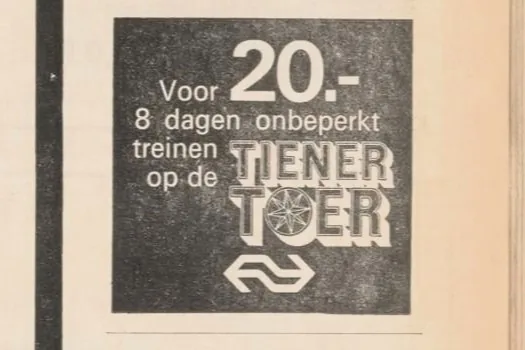
Advertisement for the Tienertoer in the Algemeen Dagblad of 27 June 1969.
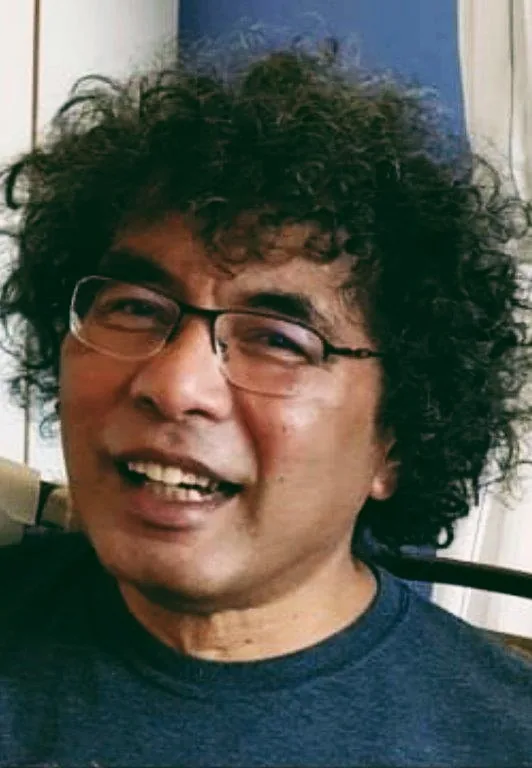
About the author
Servaas Maturbongs was born in Camp Rijckholt near Maastricht and grew up in the Potterstraat neighbourhood in Geleen. In 2009 his book Njong Gogos appeared, in which he gives a frank and lively account of the adventures of young people of his generation. The book has been reissued under the title Doorstart , with new stories added. He also publishes online and in magazines such as Moesson and Marinjo.